
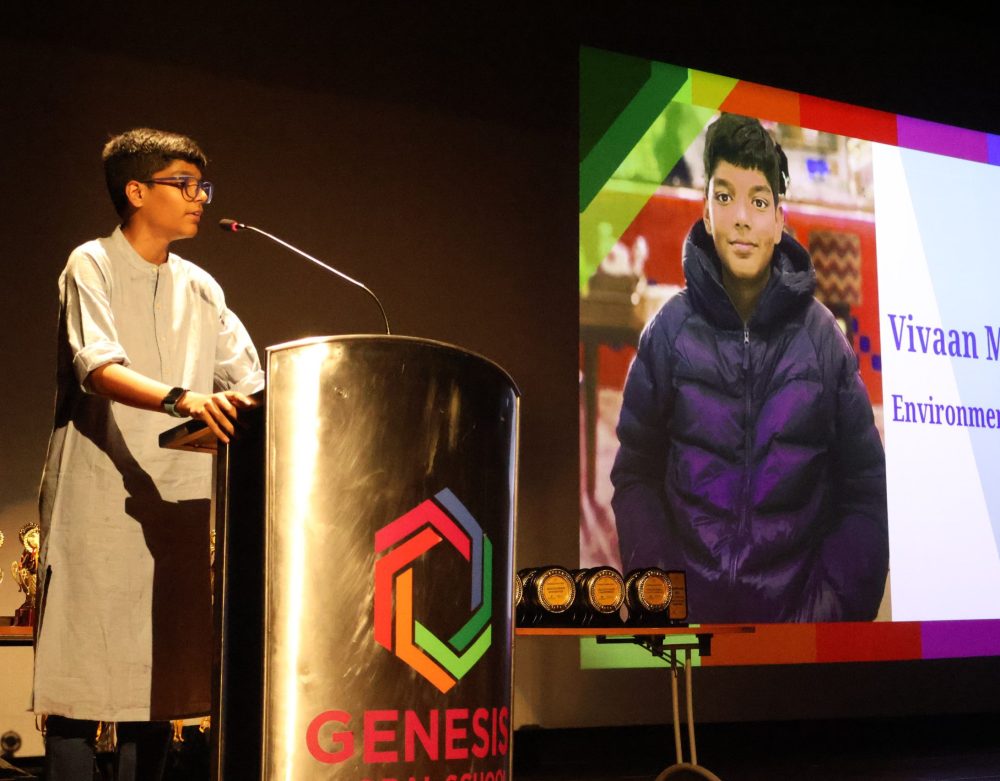
A King Constantine Medal Story: Vivaan Mathur, Genesis Global School, India
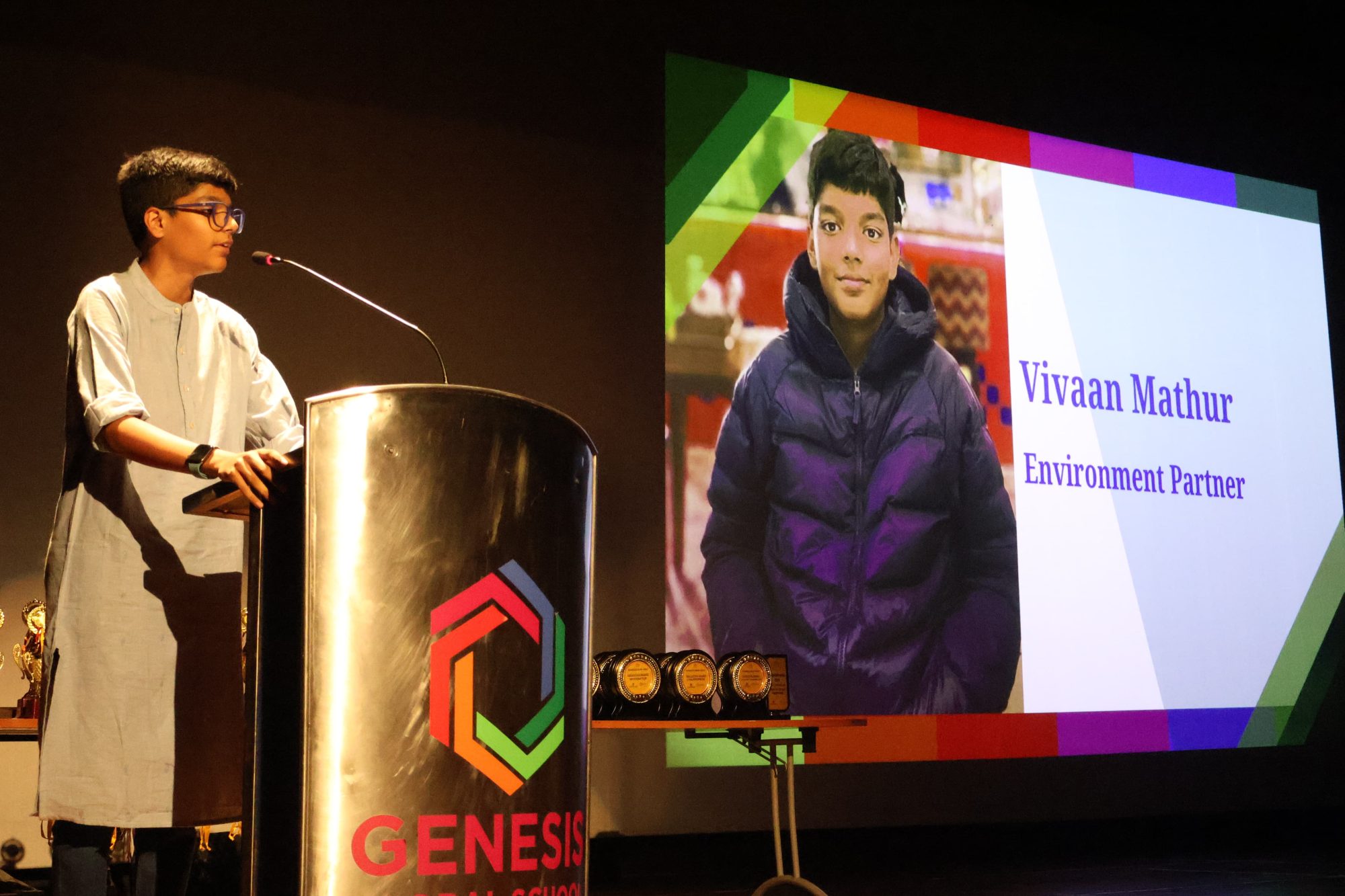
Vivaan Mathur from Genesis Global School in India has been awarded his school’s King Constantine Medal for his sustained commitment to environmental awareness, science communication, and youth-led sustainability initiatives. What began as curiosity has developed into an award-winning podcast, a children’s book, and a series of student-driven projects that aim to make environmental action accessible and meaningful for young people.
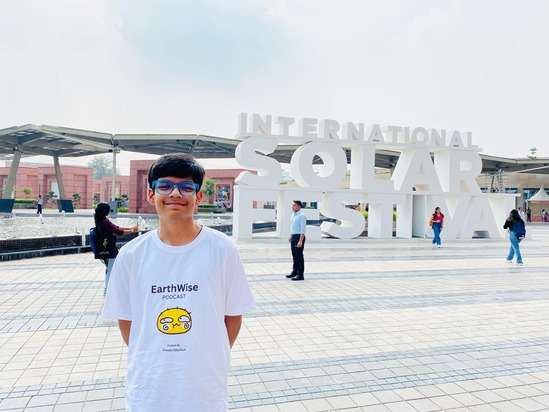
“My interest in the environment started through small observations, noticing changes in seasonal patterns, seeing waste pile up around my community, and wondering why environmental problems felt distant even though they affected everyone. As I grew older, these questions turned into a desire to help young people understand climate issues in a simple, relatable way. That is how EarthWise, my science-based environmental podcast for students, began.
“Over time, the podcast expanded into conversations with environmental scientists, student activists, and policy experts, and eventually reached audiences beyond my school. Wanting to make sustainability engaging for even younger children, I then wrote The Green Guardians, a story that introduces environmental responsibility through characters and emotions children can connect with. Alongside this, I led my school’s Environment and Sustainability Committee, where we organised eco-drives, ran awareness campaigns, and worked to reduce our campus carbon footprint.
“One of the most challenging moments came while I was working on my children’s book, The Green Guardians. I had written the story, but the illustrations, which were crucial for engaging young readers, were not turning out the way I had imagined. I tried multiple styles, but none captured the right balance between simplicity and emotion. At one point, I genuinely felt the project might not work because without the right visuals, the book would lose its purpose. Instead of giving up, I broke the problem down. I studied professional illustrators, experimented with different techniques and colours, and kept refining the artwork until the visuals finally aligned with the message of the book.
“Across my podcast, book, and environmental initiatives, I have learned that problem-solving begins with understanding people. Whether I am simplifying a complex climate concept for EarthWise or designing a sustainability project on campus, I have realised that impact requires empathy, clarity, and collaboration. Persistence has been another major lesson. There were moments when episodes did not come together, when technology failed, or when projects felt too ambitious. But each setback taught me to return with a clearer strategy, to adapt instead of stop. My children’s book showed me the importance of patience in the creative process, while leading the Environment and Sustainability Committee taught me how to motivate others and turn ideas into collective action.
“These experiences have shaped my next steps by reinforcing my belief that leadership is less about having all the answers and more about being willing to learn, improve, and bring people along with you. Going forward, I want to continue building solutions that make sustainability accessible, inspire young people to act, and use science, storytelling, and innovation to create real-world change.”


Four Steps to Take Action like Vivaan
- Identify a cause you care about.
Start with what moves you. Whether it is the environment, social issues, or education, your passion will fuel your persistence. Pay attention to gaps between awareness and action—where people care but don’t know how to make a difference. - Start small, then scale.
Begin with manageable projects, like a podcast, blog, or local initiative. Use these early steps to learn, experiment, and build confidence. Over time, expand your work into larger projects that involve more people and reach wider audiences. - Solve problems creatively.
Obstacles are inevitable. Think critically and adapt. If a project isn’t working, explore alternative methods, collaborate with others, or break it into smaller achievable goals. Persistence and creativity go hand-in-hand in turning challenges into opportunities. - Engage and empower others.
Bring people along on your mission. Encourage peers, community members, or younger students to participate. Leadership is not about doing everything yourself—it’s about inspiring others, sharing responsibility, and creating lasting impact together.