
RS Conference 2025: The Assam Valley School, India
- School: The Assam Valley School
- Location: Assam, India
- Theme: Cultivate Impact, Flourish Through Service
- Age Group: 13-15 Years
- Date: 16-20 December 2025
The Assam Valley School Round Square Conference 2025 in India brought together delegates aged 13 to 15 from eleven schools for five days under the theme Cultivate Impact, Flourish Through Service.
Setting the tone: service as a starting point
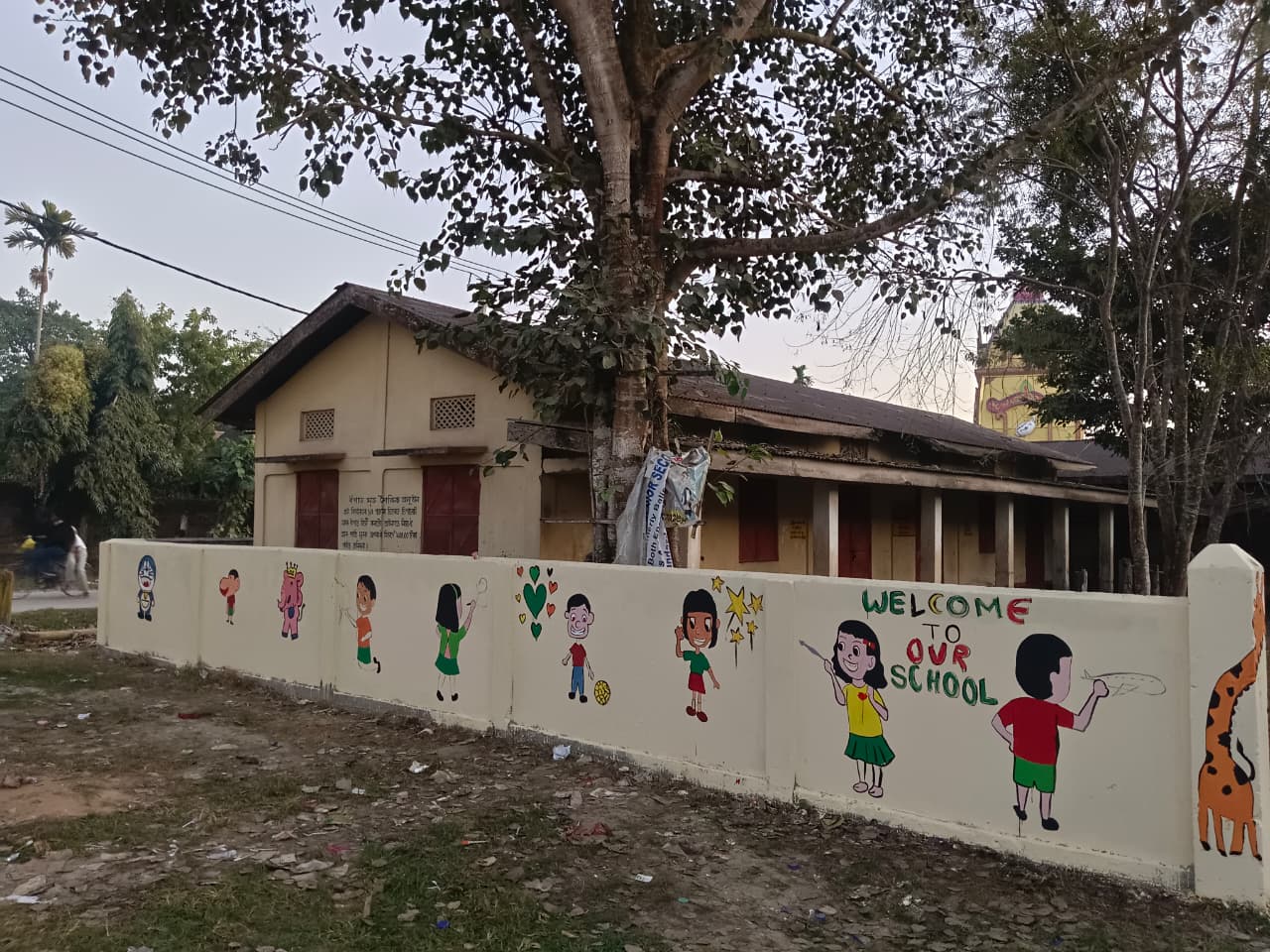
From the outset, the conference aimed to move beyond celebration towards impact. Early service activity, including a donation drive for Khelmati School, set the tone. As student organiser Agnivh reflected, “Collecting the materials and then donating them felt really meaningful. It showed me how working together, even in small ways, can make a real difference.”
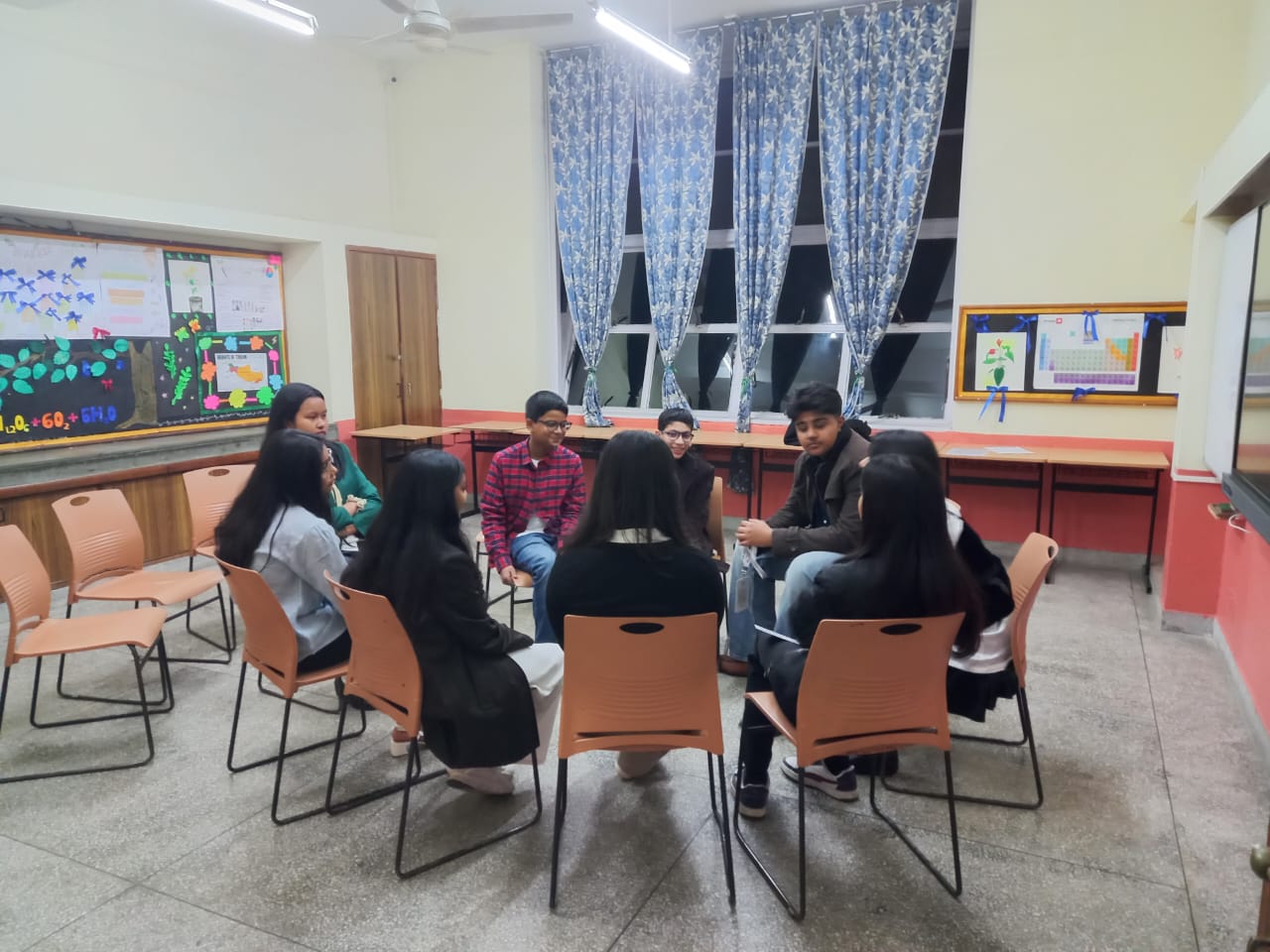
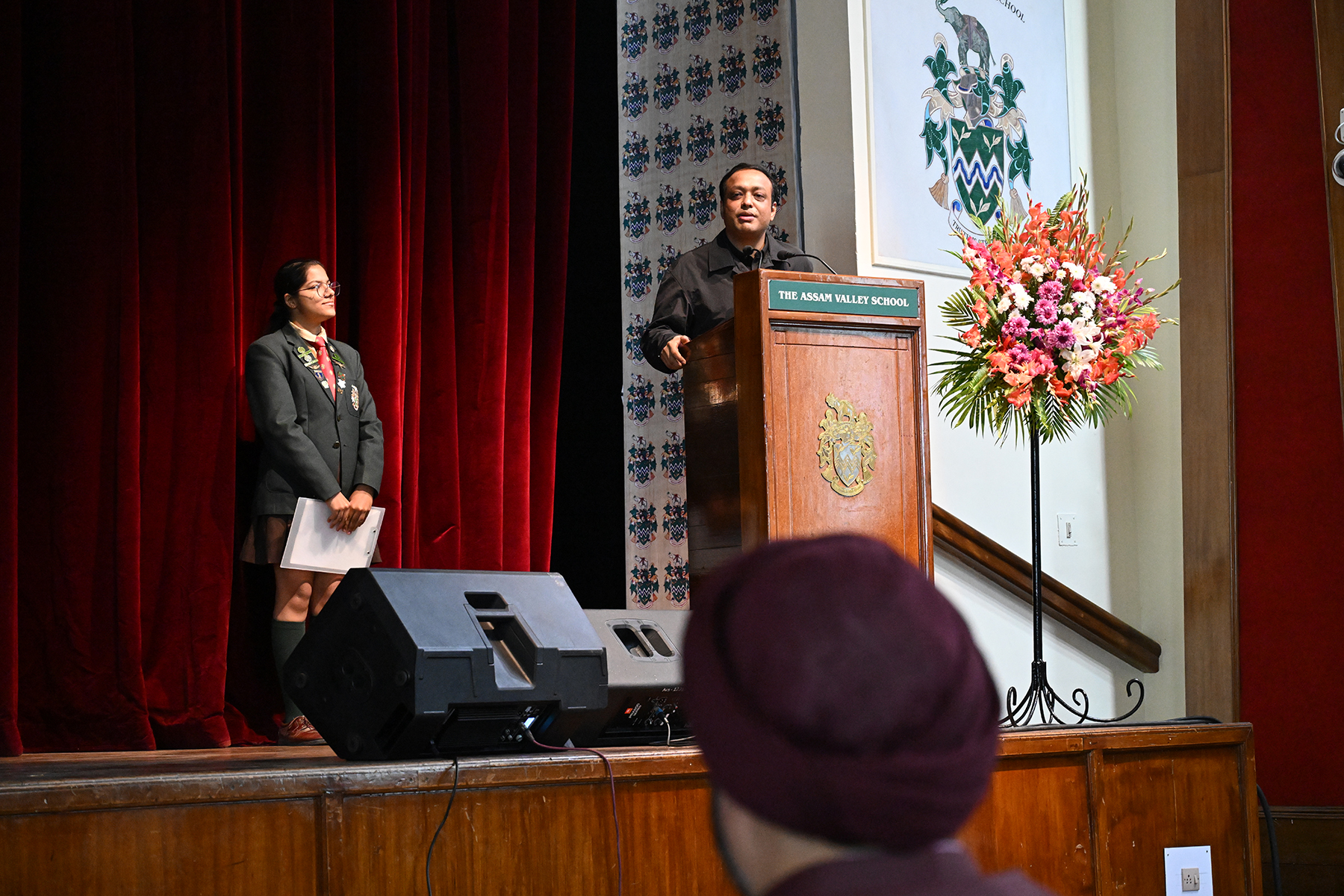
Keynote sessions prompted honest conversations, particularly the address by child rights activist Mr Miguel Das Queah, which many students described as confronting and transformative. Student Choeing shared that his session “went beyond facts and statistics and confronted uncomfortable realities we rarely talk about openly… reminding me that awareness must always be followed by action.” These conversations continued in Baraza groups, where students explored empathy, responsibility and leadership through honest dialogue.
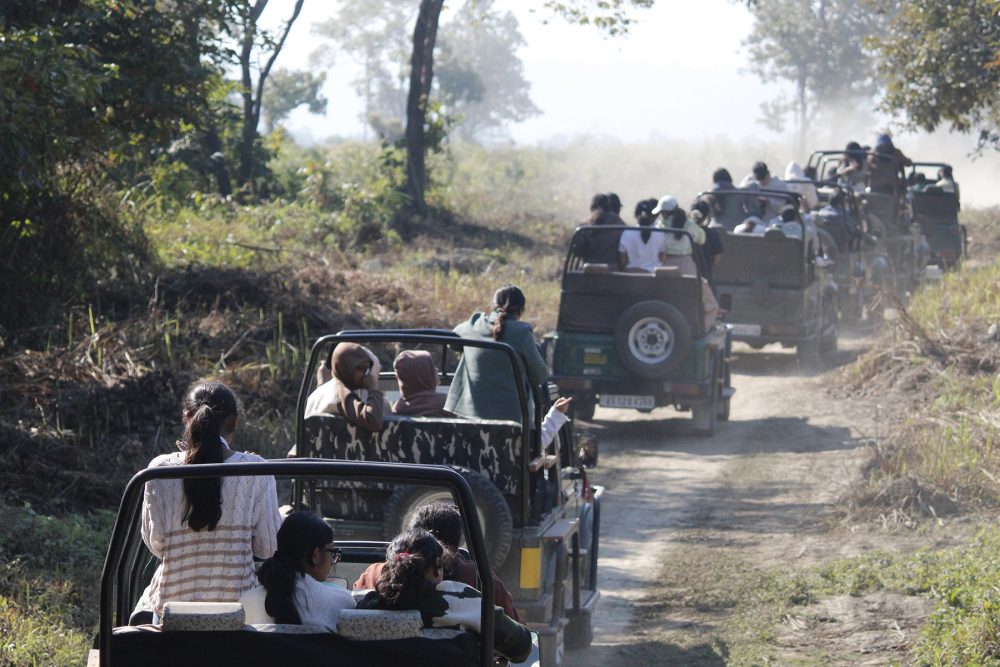
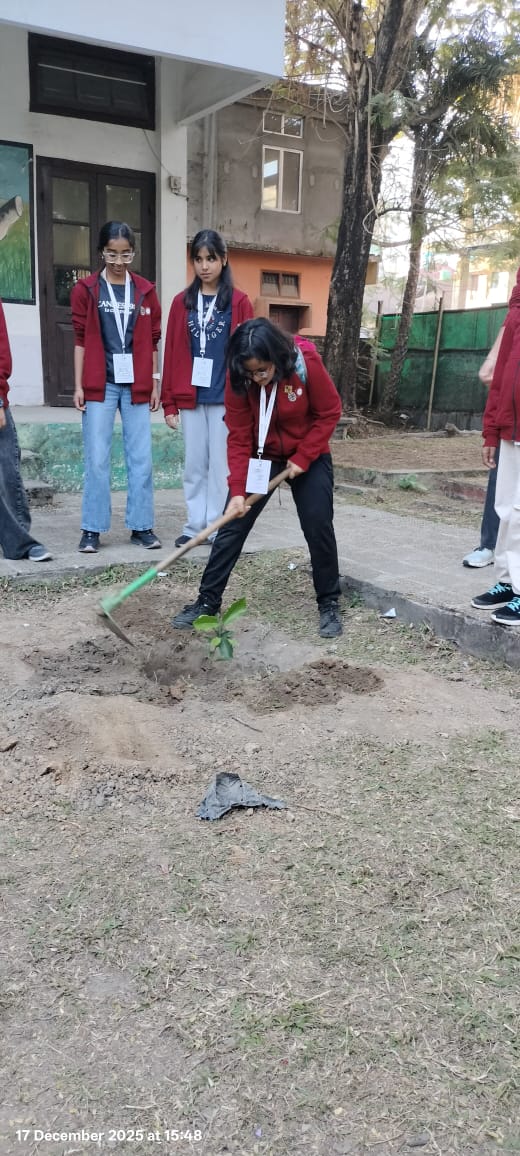
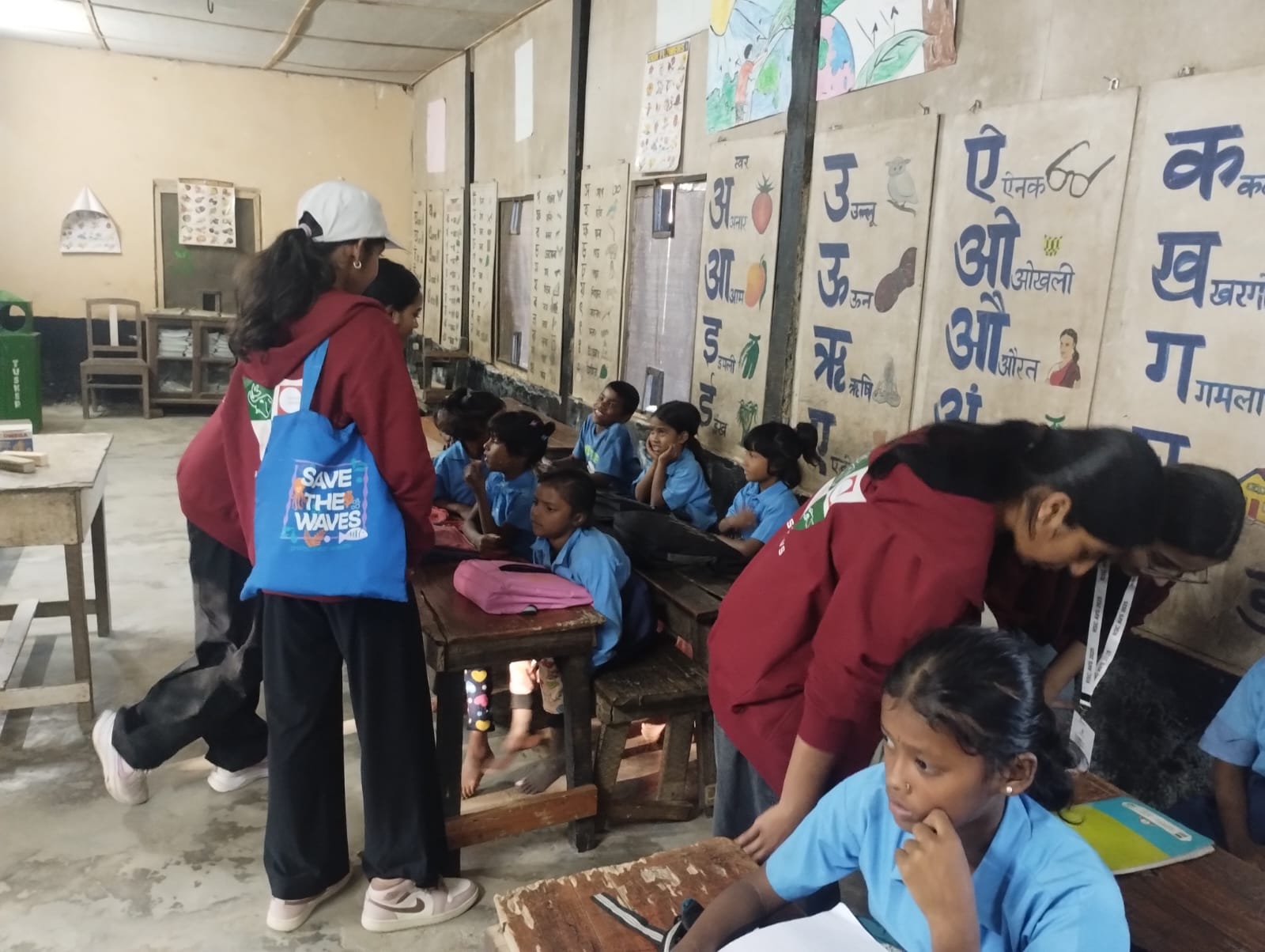
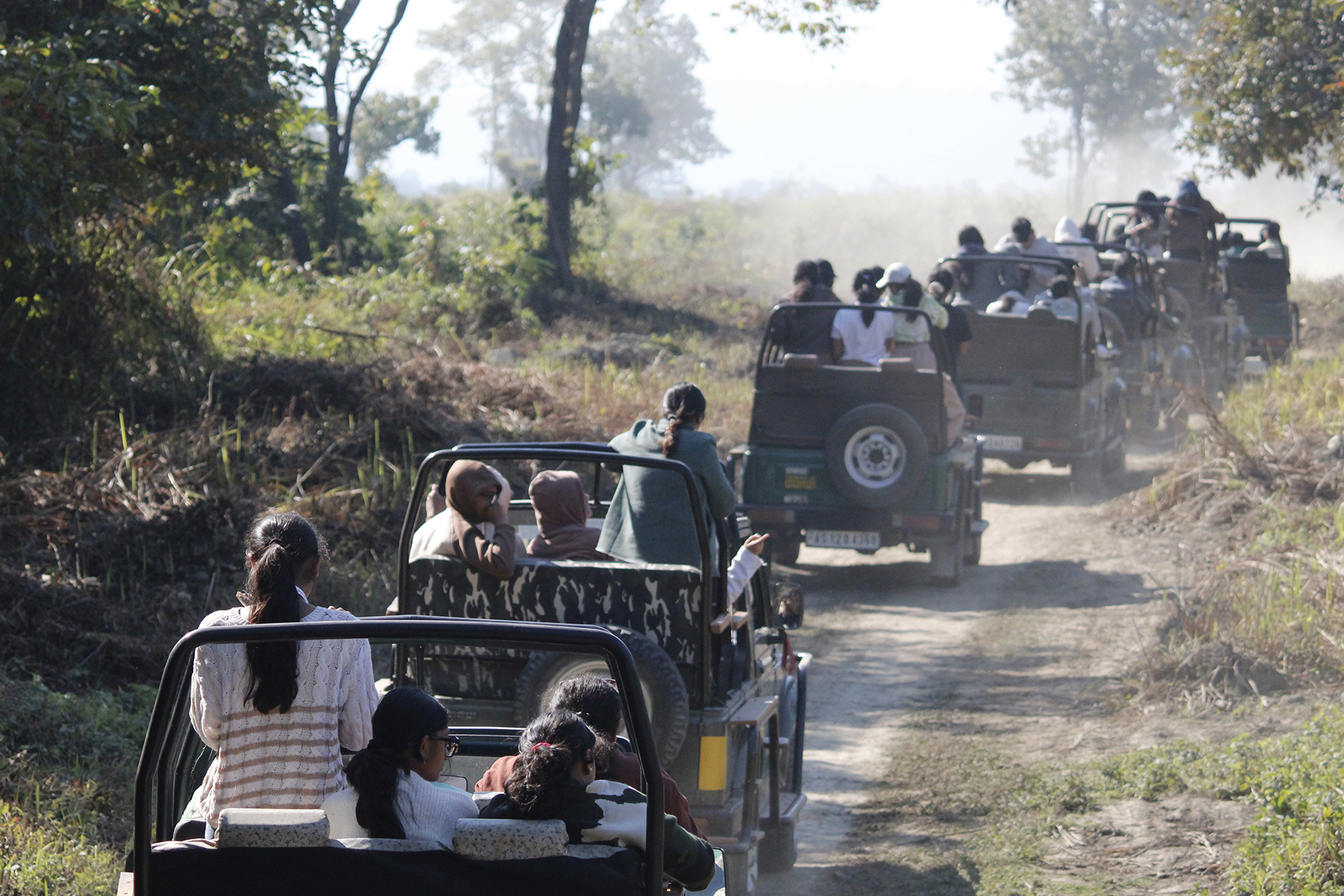
Learning also moved beyond the classroom. A visit to Kaziranga National Park placed environmental responsibility into a lived context, while outreach initiatives encouraged students to consider service as an ongoing commitment rather than a single activity. Delegates reflected on how learning felt different when placed outside the classroom and grounded in real world complexity.
Leadership at scale
Behind the scenes, hosting the conference proved to be a significant learning experience in itself. Managing a large scale programme with overlapping sessions required careful planning, delegation and constant communication. “One person cannot do everything alone,” noted Agnivh. “Understanding people’s strengths and trusting them with responsibility made the team work better.”
Pressure points were unavoidable. Travel disruptions, late arrivals and the challenge of balancing academic commitments alongside hosting tested resilience and adaptability. Student Vidhi reflected on the importance of detail, explaining how “small things like signage, dietary needs and documentation became critical under pressure.” These moments reinforced the value of contingency planning and calm decision making.
Student leadership was intentionally scaffolded, with clear roles, Baraza facilitation, committee structures and staff support. For many, this was their first experience of leading at scale. Myra, one of the leaders, shared how the conference gave quieter students confidence:
“One special moment during the conference was meeting my delegates during the ice breaking session. I’m usually a quiet person and wouldn’t normally put myself forward, but being part of Round Square gave me a space where my voice was genuinely listened to. Working in my Baraza group helped me realise that leadership isn’t about being the loudest person in the room, but about listening, understanding different personalities, and helping others feel confident enough to speak. That sense of being heard has stayed with me beyond the conference.”
Culture, Connection and Community
Cultural exchange remained a defining strength. From traditional Assamese performances to a vibrant multicultural evening and carnival, students experienced diversity as something lived rather than discussed. “Meeting people from so many places on campus helped me understand different perspectives first hand,” said Prayaash.
As the conference drew to a close, student reflections increasingly focused on what they would carry forward. Advice for future host schools was consistent and practical: plan early, communicate clearly, trust your student team and remain flexible. “Plan carefully, but stay flexible,” advised Farha, while Aliden noted that leadership often lies in “noticing when someone is left out and restoring connection.”
What emerged most strongly was a shared understanding that impact grows through collaboration, reflection and responsibility. Delegates departed with strengthened friendships, greater confidence and a clearer sense of purpose.
Four takeaways for leading a Round Square conference
1. Student leadership must be intentional, not symbolic
This conference worked because students were trusted with real responsibility. Clear roles, structured committees and supported autonomy enabled students to lead meaningfully rather than perform leadership.
2. Scale demands delegation and calm communication
Large conferences expose the limits of individual control. Success depended on distributing responsibility, checking in regularly and maintaining clarity when multiple activities ran in parallel.
3. Build flexibility into planning, not just schedules
Travel disruption, late arrivals and last minute changes were inevitable. The most effective responses came from teams that had planned contingencies and were prepared to adapt without losing focus or morale.
4. Reflection is where impact becomes visible
Baraza discussions, student debriefs and post conference reflection turned experience into learning. For hosts, capturing this reflection provided evidence of impact and practical insight for future conferences.
Official Video and Magazine
The Assam Valley School has created a RS Conference Magazine which you can download here.