
Ollie Thorn, Box Hill School (RGS Surrey Hills), UK
I struggled in school a lot because of my dyslexia. But I joined a number of Round Square projects and I loved the opportunities that they gave. They showed me there were different ways to challenge yourself and different ways to succeed, and that has stayed with me ever since.
A lot of people now look at things like Everest Base Camp and see the challenge itself. But for me, the bigger lesson has always been about choice. Not necessarily the big life-changing decisions, but the small choices you still have control over when everything else feels uncertain.
When things get difficult, you don’t always get to choose what’s happening to you, but you do get to choose how you respond.
That became very real for me after my motorbike accident. I was crushed between a Land Rover and my motorbike. I broke 44 bones and damaged my spinal cord. Looking back now, there was also a huge amount of luck involved in what happened afterwards. Somebody immediately called the emergency services. Within minutes there was an air ambulance next to me. I had some of the best medical care possible because the London 2012 Olympics were coming up and specialists from around the world were already in place.
I spent a month in a coma in intensive care and then six months in bed afterwards. At one stage I couldn’t sit up or feed myself independently. But what scared me most wasn’t actually the injury itself. It was having a disability. I didn’t realise how negative my own perception of disability had been until I became disabled myself. In films and media, disability is often linked to weakness or limitation. I suddenly realised how much of that I had absorbed without even noticing.
It was an extreme change completely out of my control. But eventually I realised there were still things I had a choice over, even in those moments. At first, the choices were tiny.
The first thing I focused on was trying to get as strong as possible. Every hour, on the hour, I would do exercises in bed. I couldn’t control what had happened to me, but I could choose to try and get stronger. It was a small way of taking some agency back. Then I realised I needed a dream.
For me, it became really important to have something exciting to focus on. Disability sport didn’t really interest me until I saw somebody sit skiing. It was the furthest possible thing away from lying in a hospital bed, which was exactly why it became my focus. A year after my injury, I went skiing myself. Honestly, the first few months were terrible. I crashed constantly. I was rubbish at it. It felt like being back at stage one and learning everything from scratch again.
But somewhere in that process I realised something important. The biggest barrier was often how I spoke to myself.
I had to change that internal conversation. Instead of focusing on why I couldn’t do something, it became: what if I can do this? That shift made such a difference.
It was still hard, of course, but I learned that it’s OK for things to be hard. If something means something to you, it probably should be hard.
Over time I practised every single day, and eventually went on to race internationally as a skier for Great Britain.
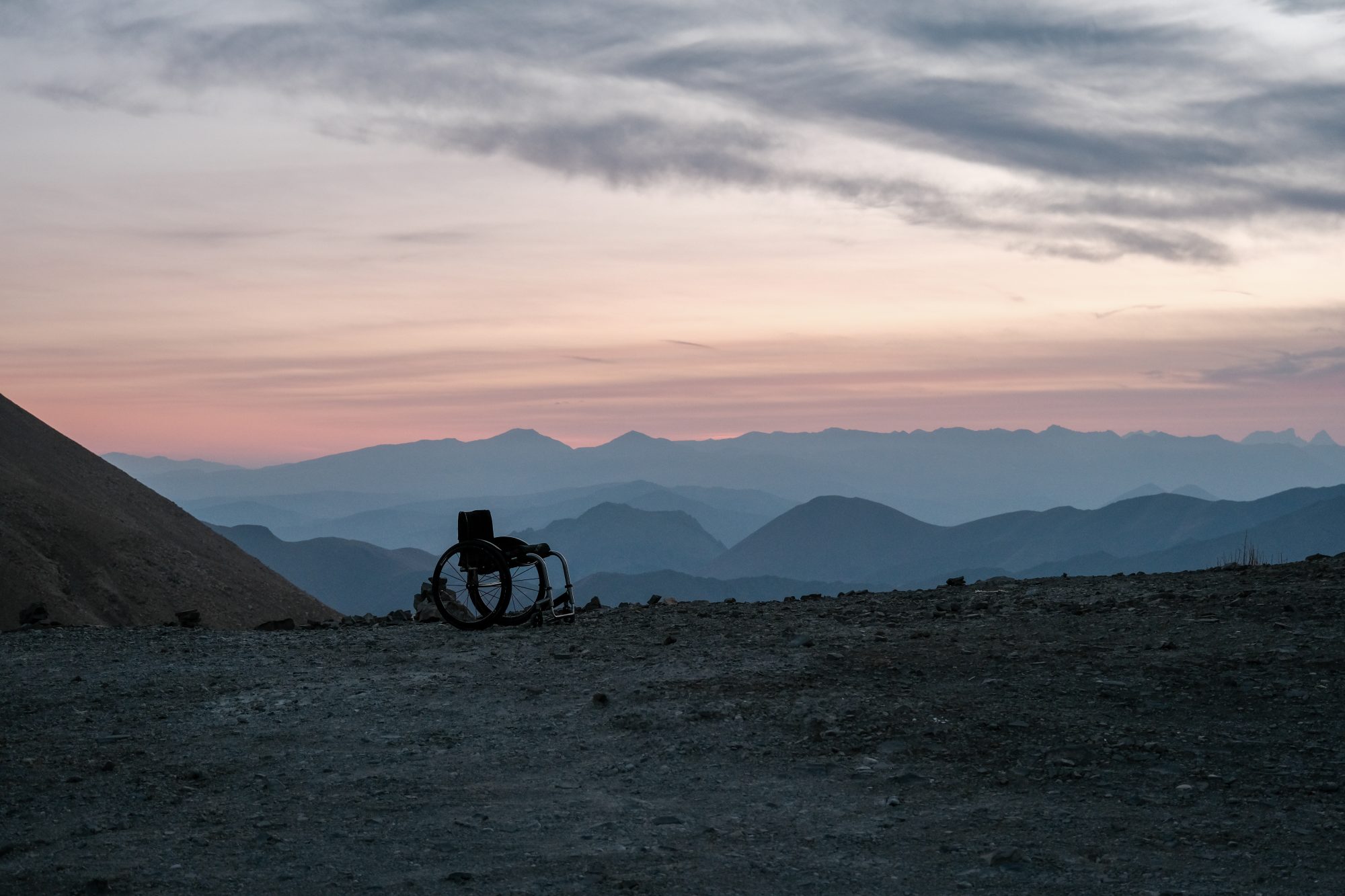
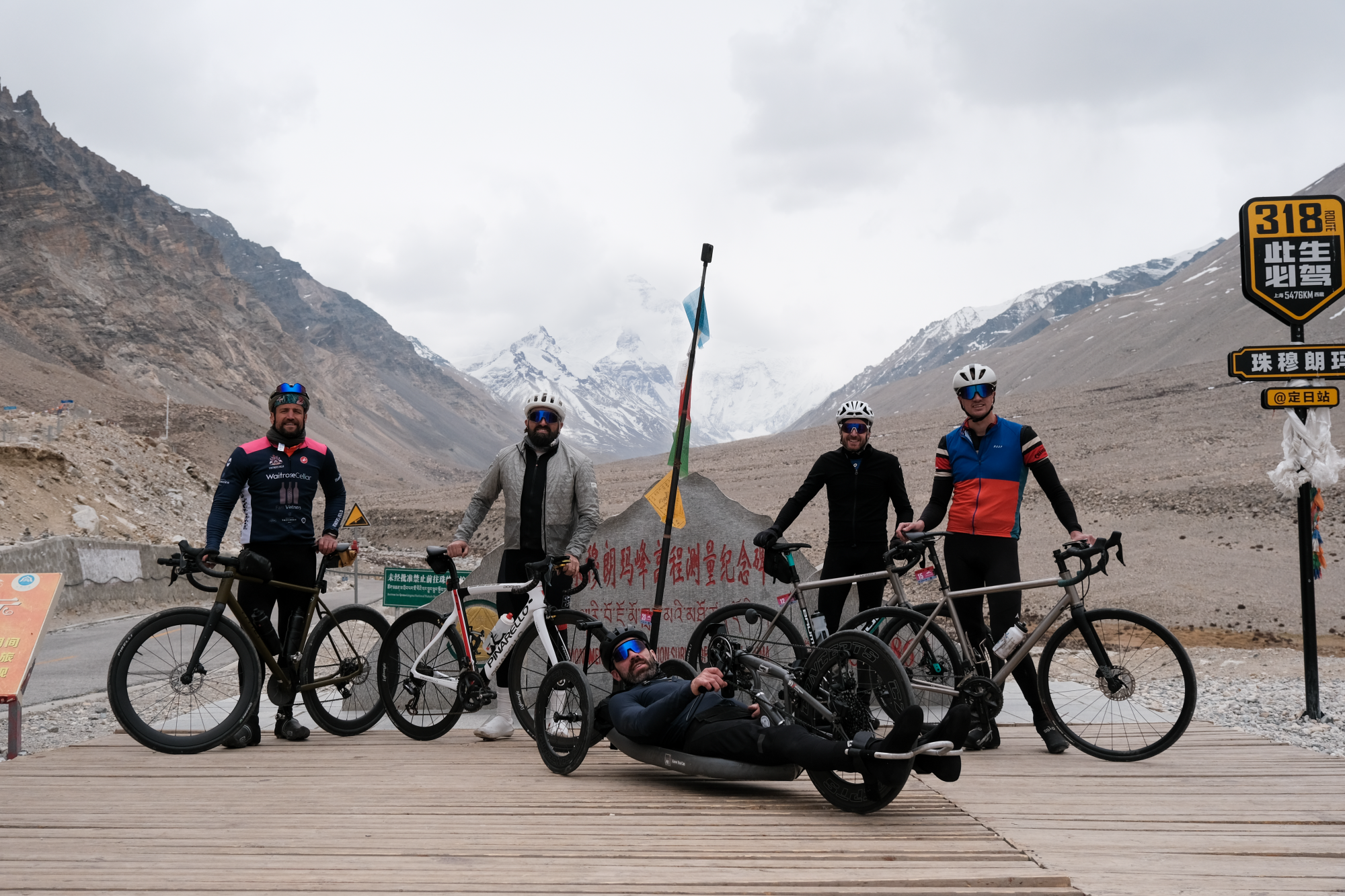
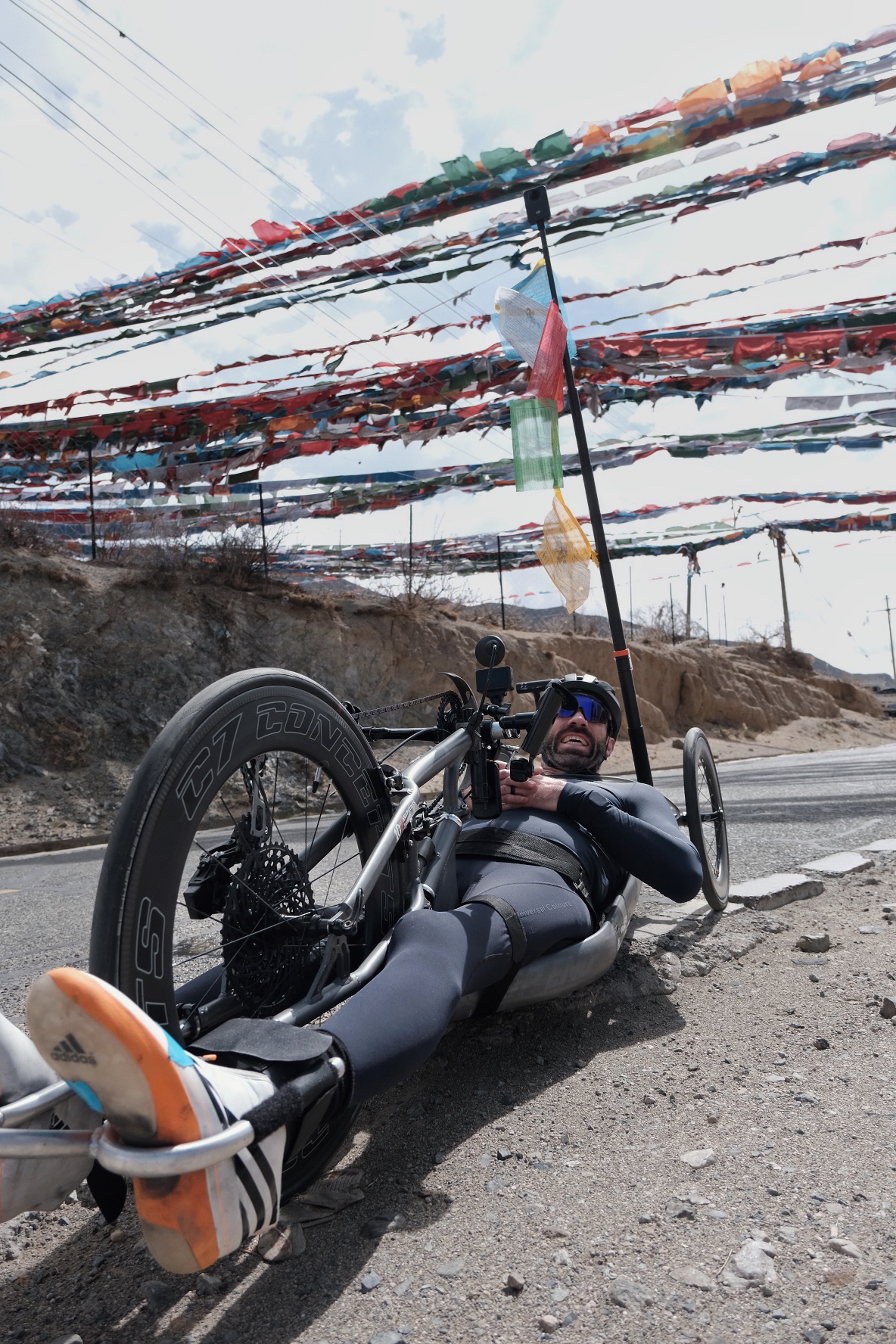
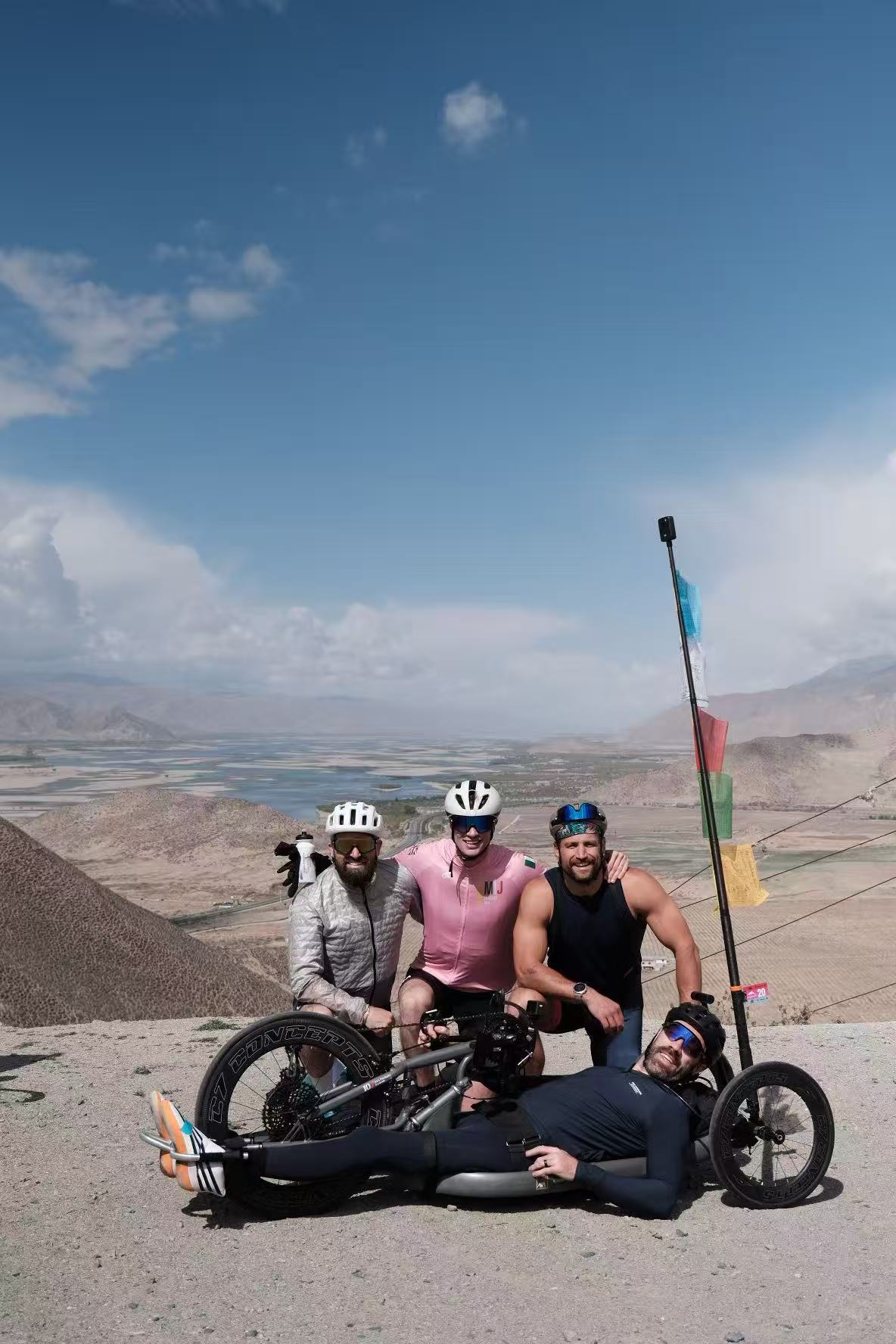
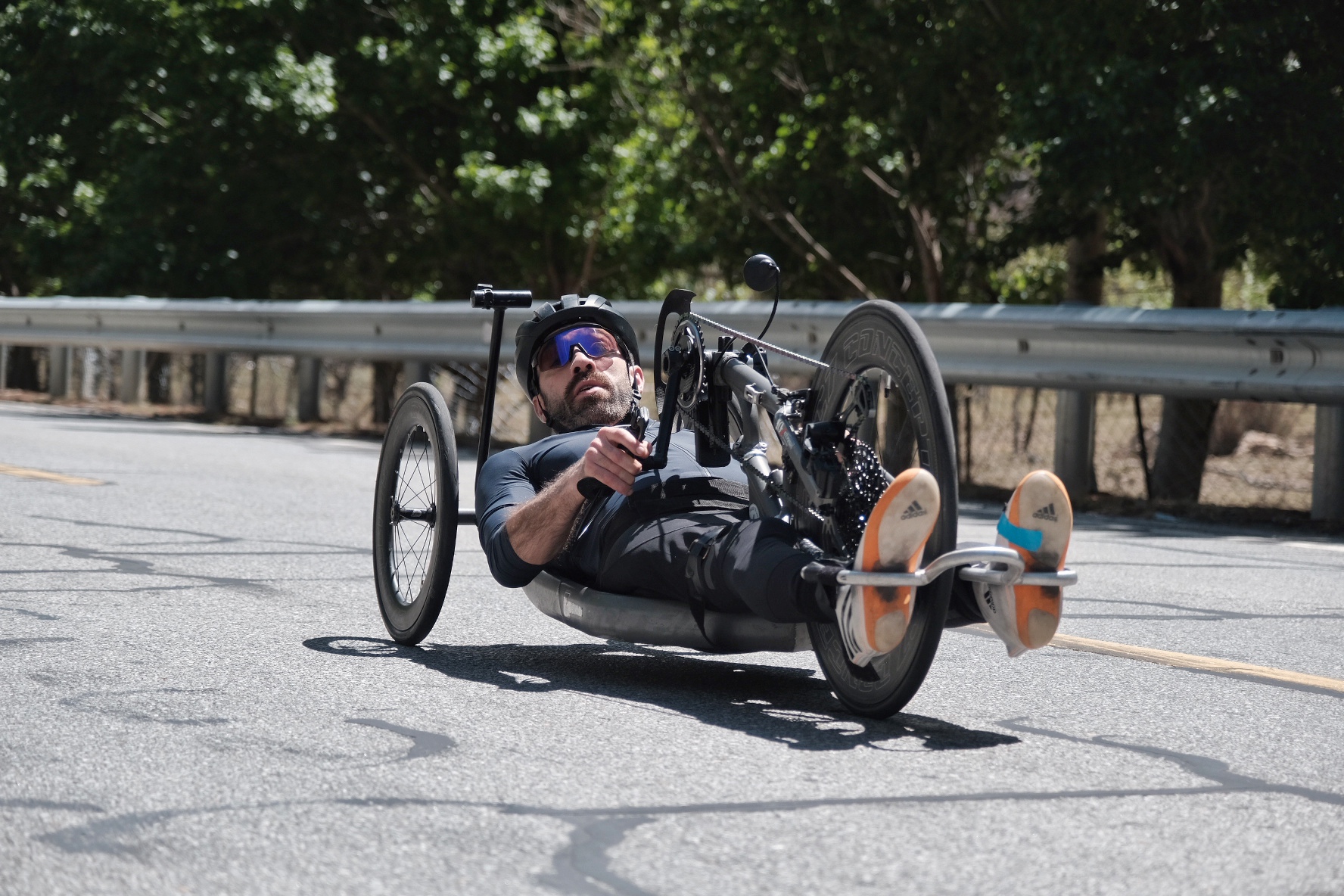
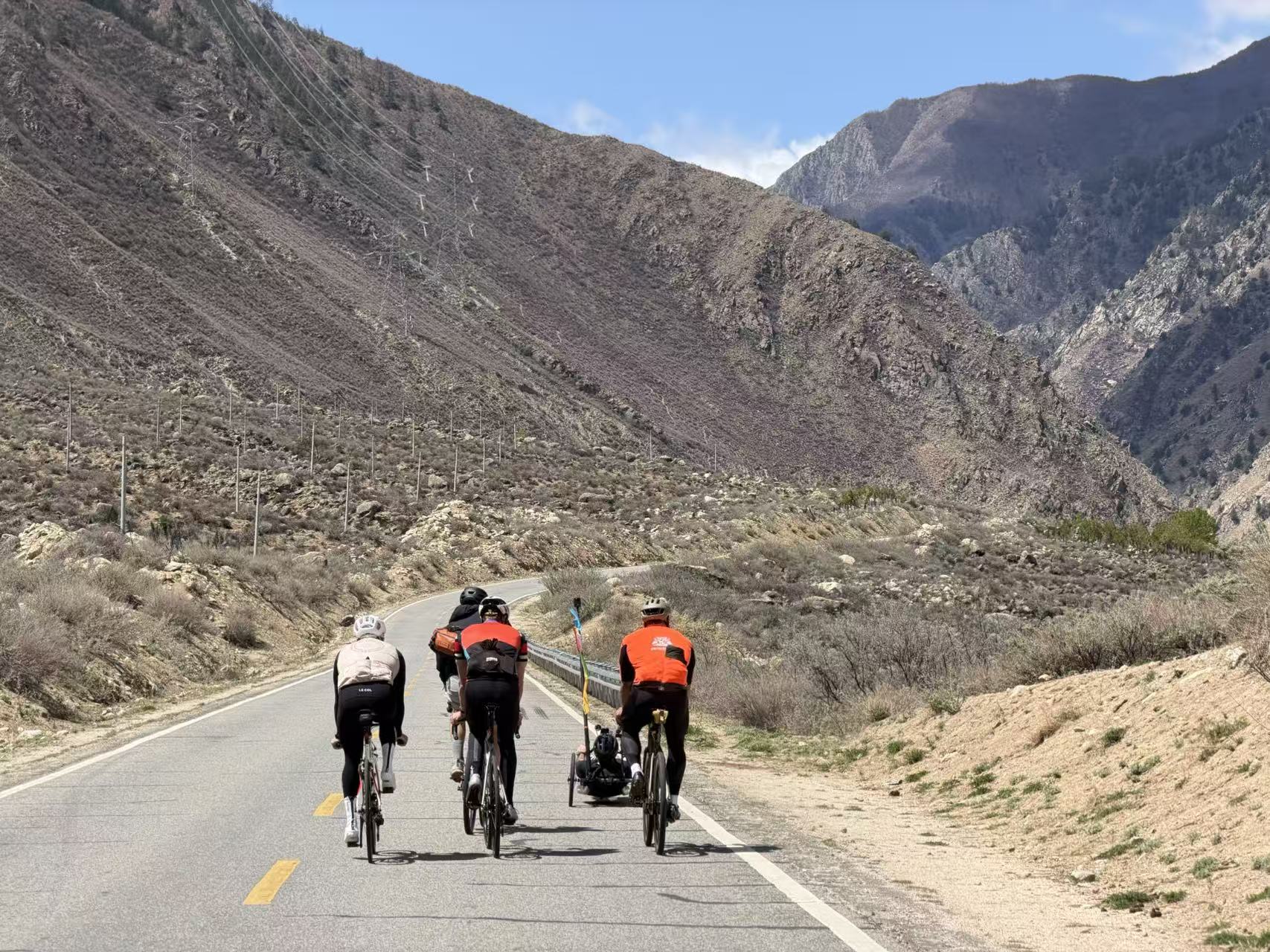
More recently, I completed a handcycling expedition to Everest Base Camp.
We covered around 800 kilometres across Tibet, spending most of the journey above 3,000 metres and reaching over 5,300 metres at the highest point. Tibet is an incredible place. Beautiful. Completely awe-inspiring. But physically, the challenge was relentless.
It is hard to explain what it is like unless you are there, but it genuinely feels like breathing through a straw all the time. You wake up, have breakfast, and suddenly you’re out of breath again. Everything takes more effort and your body never really recovers properly because you don’t sleep well.
We knew it was going to be hard, but actually experiencing it was something else entirely. Every morning we still had to get up and cycle again.
Looking back now, what made the biggest difference wasn’t motivation or one big moment of inspiration. It was consistency. Consistency in training when I didn’t want to. Consistency in the small things too, like am I eating properly? Am I sleeping enough? How do I show up today? Consistency in how I talked to myself, how I prepared, how I recovered, how I showed up each day. That’s what carried me through.
Before the expedition, a lot of people told me it would be impossible. Those were probably the loudest voices around the challenge. But ultimately, I realised I had a choice. I could listen to those voices and decide not to do anything, or I could choose to try anyway.
That became really important to me. I knew I was choosing to be there. I was raising money for an incredible cause through Wings for Life and spinal cord research, and I knew the story we were creating was bigger than just me. It was about disability inclusion and showing what’s possible.
So instead of focusing on the whole journey or the massive climb in front of me, I broke it down into manageable chunks. Can I keep pushing the pedals for another minute? Another ten seconds?
Usually the answer was yes.
I think we often become overwhelmed because we focus too much on the whole thing. But if you reduce it down to the next step, the next corner, the next break, suddenly difficult things become manageable.
One of the biggest things that stayed with me from Everest was gratitude.
I couldn’t have achieved what we did without the team around me. We can achieve so much more when we have good people around us. People who bring energy, solve problems, and work together before things become issues. I talk a lot now about “radiators versus drains”. The people who bring warmth and energy into situations rather than taking it away. For me, that’s also what leadership really is.
Leadership isn’t about being the strongest person in the group. Physically, on that expedition, I was the weakest person there. But leadership is about how you bring people together. How you create belief, energy, and momentum around a shared goal.
Alongside all of this, I’ve also started my own business and moved more into public speaking. Public speaking was never something I planned to do, but I took the risk to try it and realised I really enjoyed it.
A lot of what I speak about now comes back to the same idea. You are never powerless in any situation.
Even when life feels completely outside your control, there are still small things you have a choice over. How you speak to yourself. What you focus on. Who you surround yourself with. Whether you take the next step. People often wait until they feel confident before they start something, but I think that’s back to front. Action creates confidence. You build confidence by taking action first.
That’s why I always encourage people to dream big and say things out loud, even if they scare you. Once you say something out loud, you can start breaking it down into manageable chunks. Then you start finding the people who want to help you make it happen. You never really know what you’re capable of until you start moving forwards.
Ollie’s advice to students preparing for Kilimanjaro
1. Remember why you’re there
When things get difficult, come back to the bigger reason you chose to do it in the first place. That purpose matters when motivation disappears.
2. Break the challenge down
Don’t focus on the whole mountain. Focus on the next break, the next corner, or even just the next step. Big challenges become manageable when you reduce them into smaller pieces.
3. Control what you can control
How you prepare, how you speak to yourself, how you support the people around you — those things make a huge difference when conditions get tough.
4. Trust that you are capable of more than you think
Most people stop because they feel overwhelmed by the size of the challenge. Often, you’re far more capable than you realise once you keep moving forwards.
- Name: Ollie Thorn
- School: Box Hill School (now RGS Surrey HIlls)
- Country:
- Graduated: