Case Study: Café Basil – Vivek High School, India
How do schools create meaningful opportunities for students to develop leadership, teamwork, entrepreneurial thinking and service-mindedness in authentic ways?
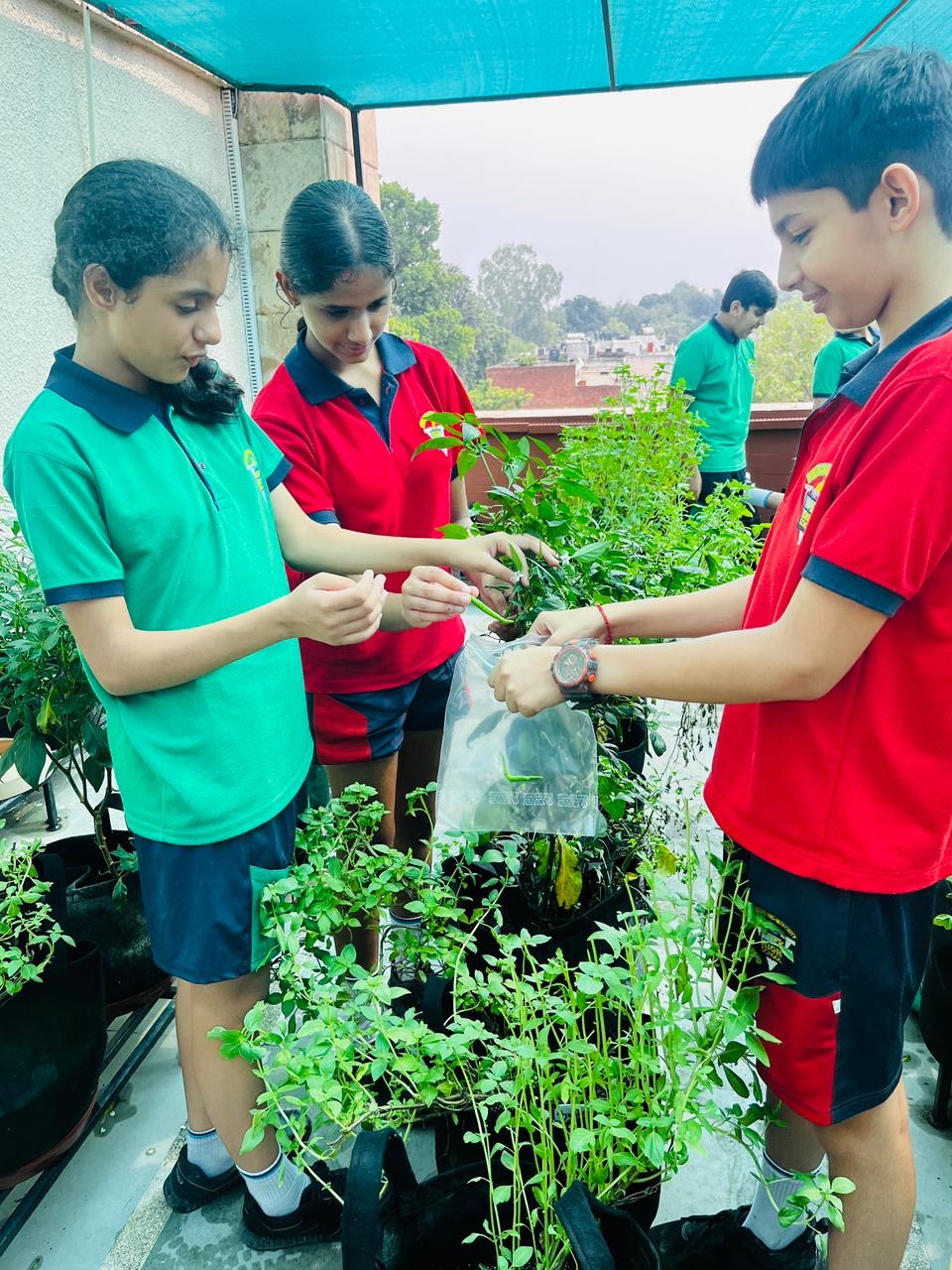
For Vivek High School in India, the answer came in response to an issue that students were already facing. As part of the school’s occupational learning programme, students in Years 7 and 8 grow herbs, microgreens and vegetables using grow bags and hydroponic systems. As harvests increased, students began exploring how they could use the produce they were growing. Rather than simply distributing herbs or using them in occasional school activities, students proposed creating a café that would allow them to transform their produce into marketable products while gaining hands-on experience in enterprise, teamwork and community engagement.
The result was Café Basil, a student-led café that operates weekly on campus, serving parents and visitors while providing students with authentic opportunities to apply their learning in real-world contexts.
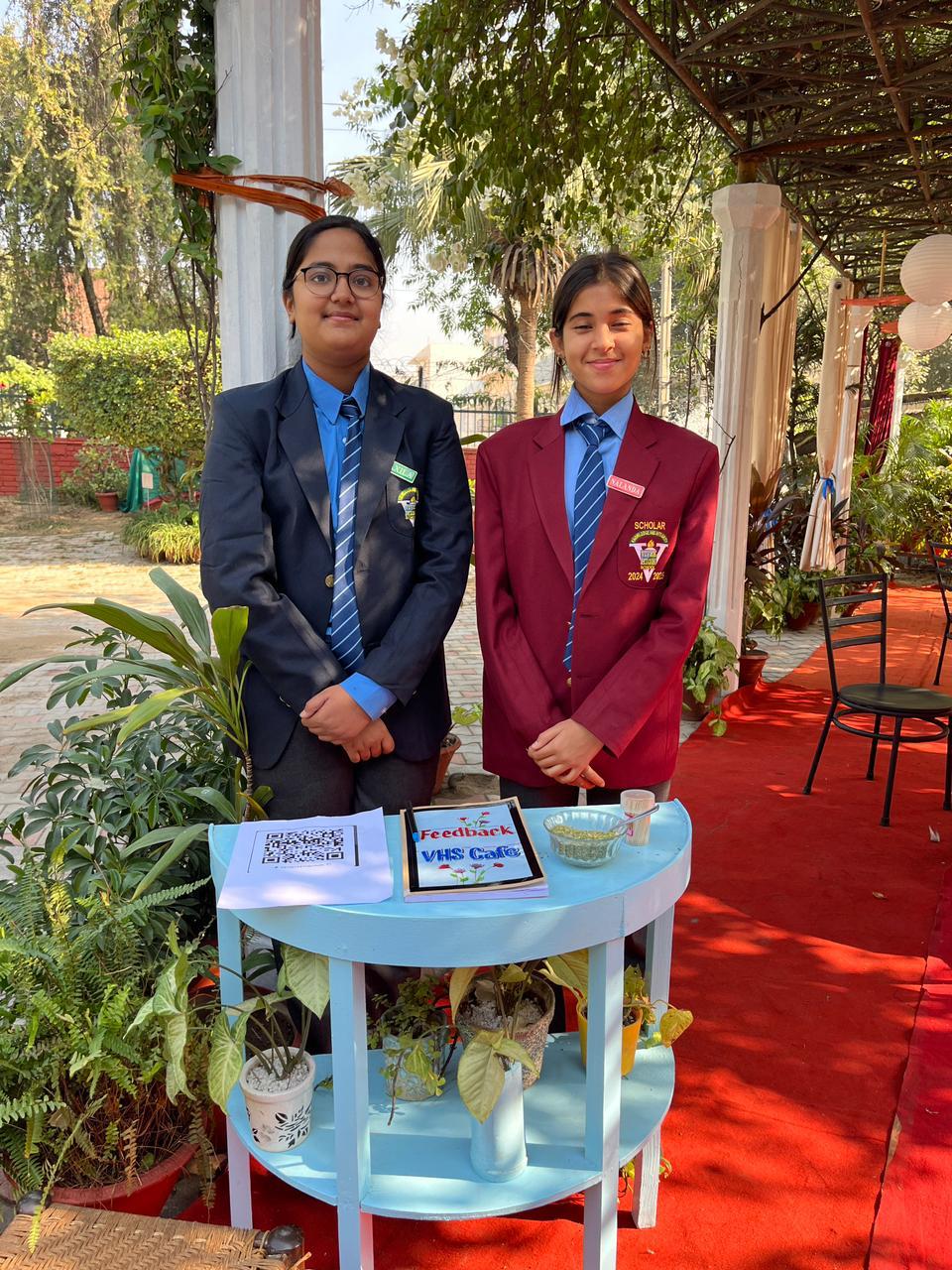
From the outset, students were involved in every stage of development. They named the café, designed its logo, created the menu, planned the customer experience and helped shape the physical environment.
The Project: How It Works
Café Basil operates every Friday between 8am and 12pm and is embedded within the school’s occupational and independent learning programme.
Around 120 students in each of Years 7 and 8 participate through a rotating roster system. Each week, approximately 14–15 students take responsibility for running the café while their peers continue independent learning activities. This ensures students can participate without missing academic lessons.
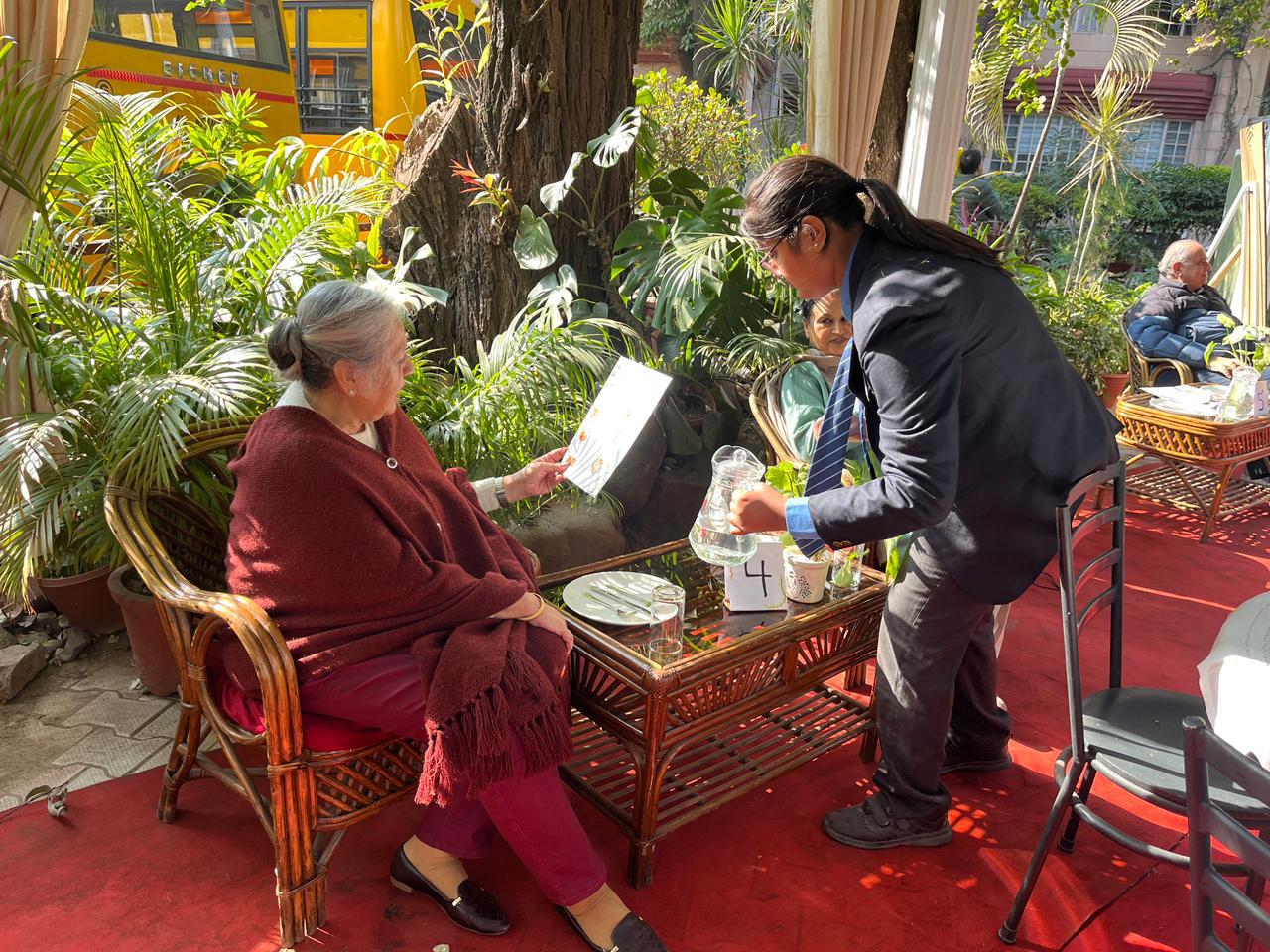
The café functions as a fully operational restaurant experience. Parents book visits in advance through an online registration system, with numbers limited to ensure students can manage service effectively.
Student responsibilities include:
- Growing herbs, vegetables and microgreens used in menu items.
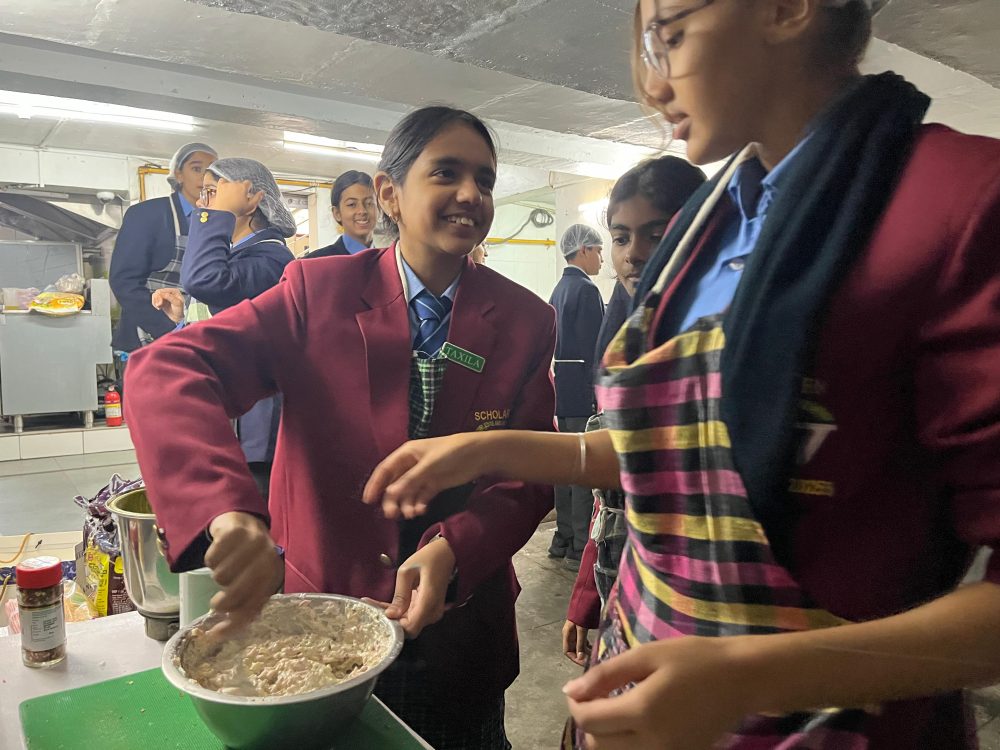
- Developing and testing recipes.
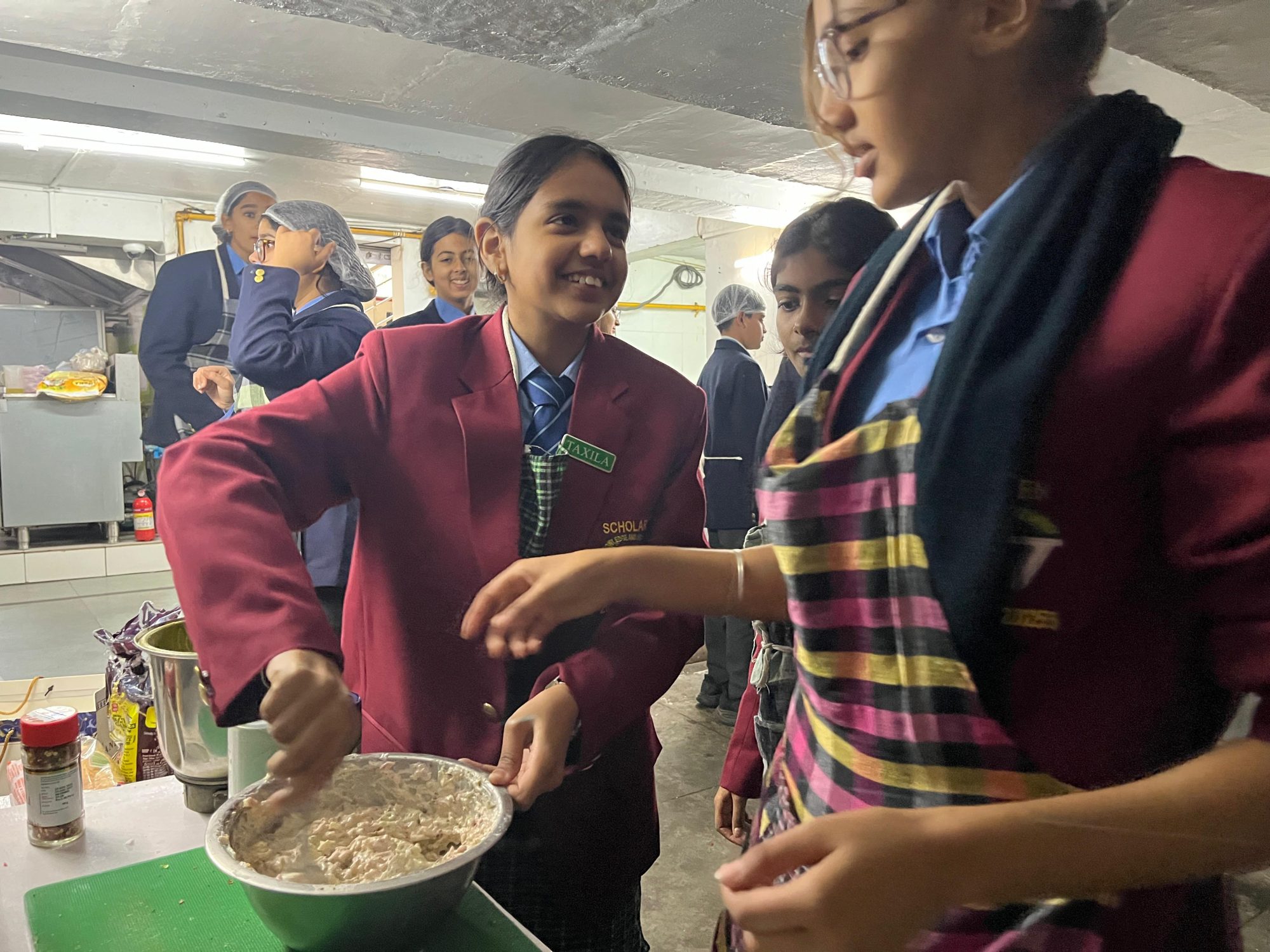
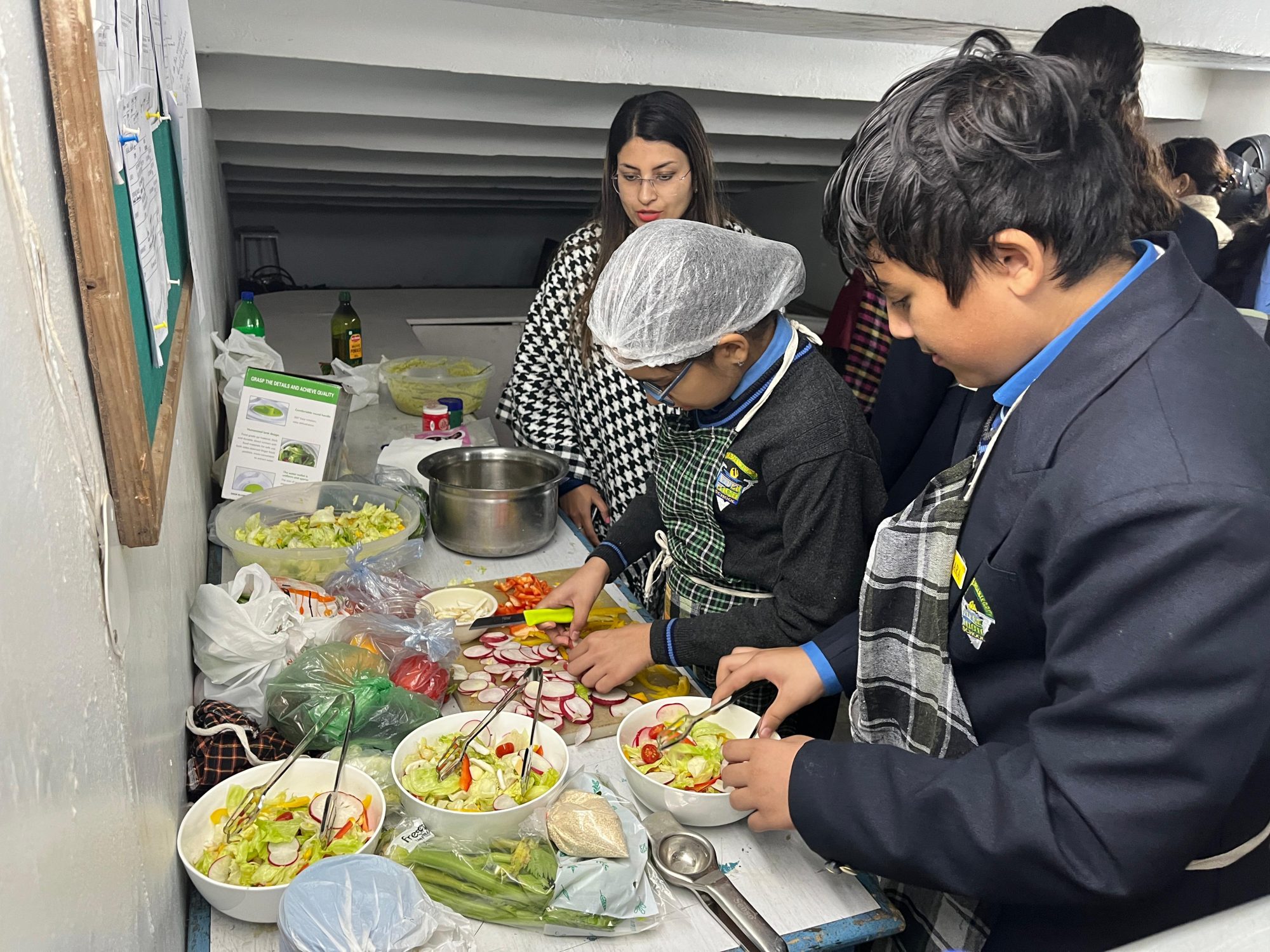
- Preparing ingredients and food.
- Creating menus and setting prices.
- Managing front-of-house operations.
- Taking and processing orders.
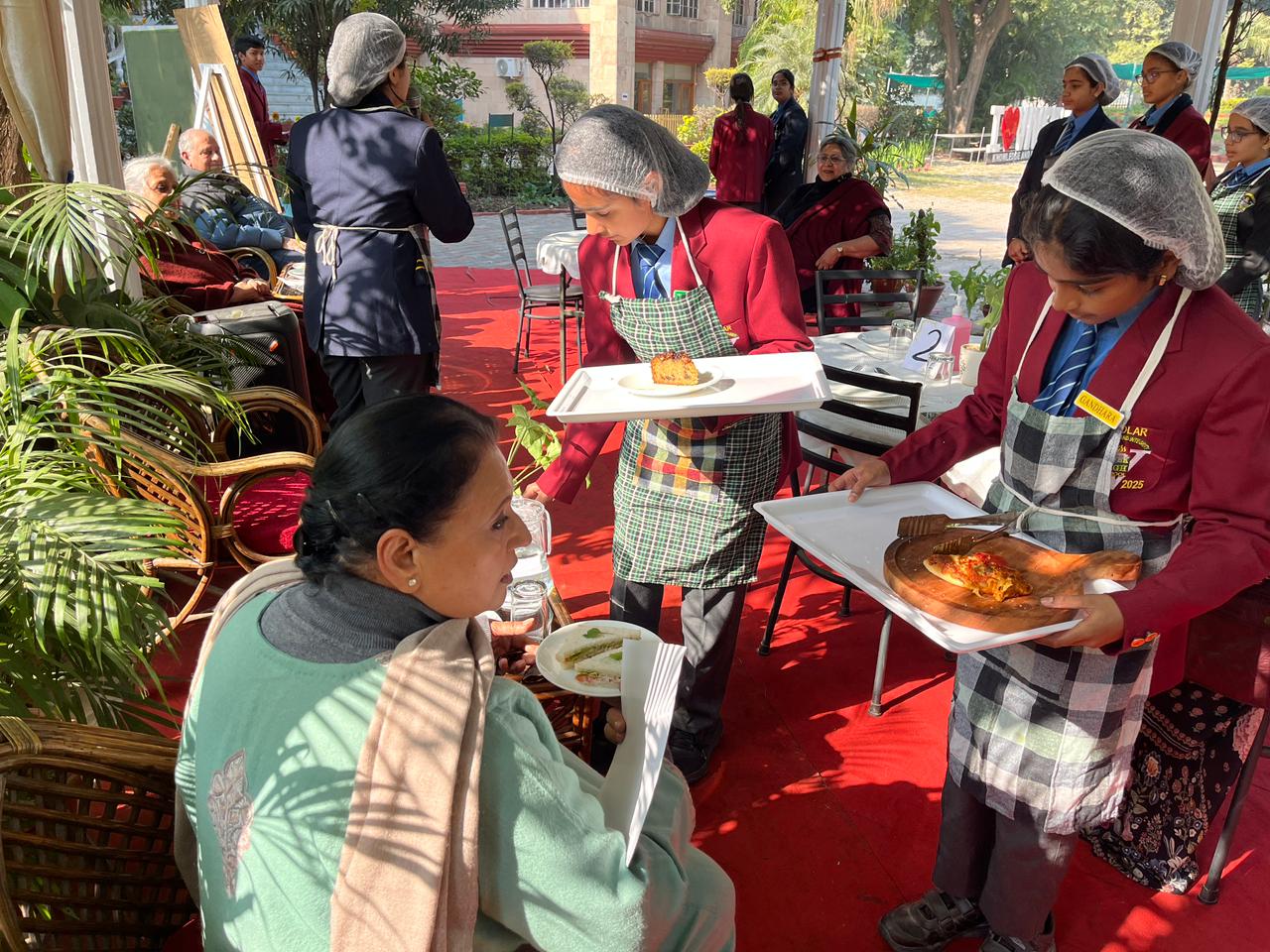
- Serving customers.
- Providing live entertainment.
- Calculating costs, profit margins and overheads.
- Evaluating operations and identifying improvements.
Popular menu items include a garden-fresh salad featuring student-grown herbs, a mint cooler made with mint from the school garden, and a tomato and basil pizza using freshly harvested basil.
Students work in teams across different areas of the operation, including food preparation, customer service and logistics. Roles are discussed and allocated collaboratively before each service.
A defining feature of Café Basil is the level of student ownership. Staff intentionally position themselves as facilitators rather than managers.
“They pretty much sort of function on their own, but we are always there to help them,” says Nencepreet Kaur, the staff member responsible for the café. “We start from 8 o’clock in the morning and it goes on till 12. For every hour, we have about one or two teachers coming in to supervise what’s happening. And I’m there throughout.”
This approach creates a balance between safeguarding and autonomy, allowing students to make decisions, solve problems and learn from experience, without taking up too much staff time.
Financial literacy forms an important part of the programme. Students determine pricing, calculate costs and profits, and discuss how revenue should be allocated. Current discussions focus on how profits can be reinvested in the café and used to support wider community initiatives, ensuring service remains central to the project’s purpose.
Measuring Impact
Although Café Basil is a relatively new initiative, according to the school, its impact is already evident across a range of areas.
Student Engagement
Staff have observed exceptionally high levels of student engagement and commitment.
“There’s always a complaint that these teenagers, they’re not focused in what they’re doing. But when it comes to the café, they always are: ‘When are we going to do this?’ and ‘What are we going to do?'”, says Nencepreet.
Students routinely seek ways to improve processes, refine recipes and enhance the customer experience. Because the project belongs to them, they are highly invested in its success.
Teamwork and Collaboration
The café requires students to work interdependently under real-world conditions.
“It’s a lot of teamwork, collaboration, and it’s brilliant the way they work,” says Nencepreet.
Students quickly learn that every role matters, from food preparation to serving customers and cleaning up after service.
Problem Solving
One of the strongest outcomes has been students’ ability to address challenges independently.
For example, when demand exceeded the supply of drinking glasses during a busy service, students devised a system whereby team members took responsibility for washing and returning glasses to circulation so that service could continue smoothly.
Nencepreet notes:”Whenever there was a challenge, we gave it to the students and they came up with brilliant answers every time. They’re acting like actual real-life entrepreneurs at that point.”
Even unexpected challenges, such as poor weather reducing parent attendance, have prompted students to think creatively and adapt their plans. On one occasion, students suggested opening the café to teachers to make use of food that had already been prepared.
Confidence and Leadership
The café provides opportunities for students to step into leadership roles that might not emerge in a traditional classroom setting.
Students volunteer to take responsibility, support one another and confidently interact with adults in professional contexts. Staff have observed increased confidence, participation and willingness to contribute across a wide range of learners.
Interdisciplinary Learning
Café Basil connects directly to learning across multiple subjects.
Students apply mathematical concepts through pricing, profit calculations and budgeting. They develop literacy and communication skills through marketing materials, invitations and customer interactions. Science concepts are explored through growing systems, nutrition and sustainability, while enterprise learning emerges naturally through the operation of the café itself. The result is authentic interdisciplinary learning with an immediate and visible purpose.
Community Impact
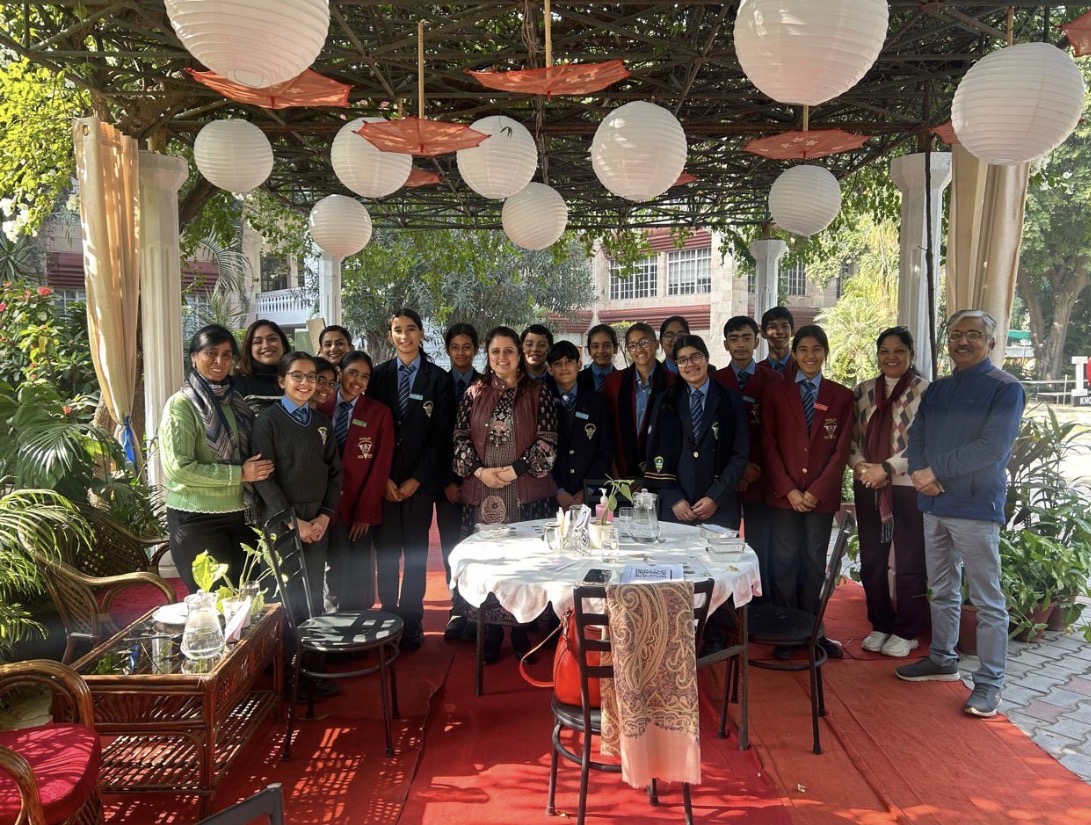
Parents have responded enthusiastically to the initiative, with feedback regularly highlighting the professionalism, confidence and commitment demonstrated by students.
The wider student body has also shown growing interest in the project, with many expressing a desire to visit or become involved in future café sessions.
Advice for other Round Square Schools
1. Start with student ownership, not a pre-designed project: The success of Café Basil stems from the fact that it was shaped by students from the beginning. Students identified the opportunity, chose the café’s name, designed its branding, developed recipes and continue to make operational decisions. This strong sense of ownership has driven engagement and commitment.
2. Build meaningful learning around real responsibility: Students are trusted with authentic responsibilities, from food preparation and customer service to pricing, budgeting and decision-making. Because the work has real consequences and real customers, students develop leadership, confidence and problem-solving skills in ways that are difficult to replicate through simulations or classroom exercises alone.
3. Position staff as facilitators rather than managers: A key feature of the model is the balance between support and autonomy. Staff provide oversight and ensure safety, but students are expected to find solutions to challenges themselves. This approach encourages initiative and resilience while creating space for students to learn from experience.
4. Connect enterprise learning to service and community impact: While students learn about pricing, profits and entrepreneurship, the focus remains on purpose rather than profit. Discussions about how income should be reinvested and used to benefit the wider community help students understand the relationship between enterprise, responsibility and service.
5. Use existing school programmes as a foundation for innovation: Café Basil evolved naturally from an existing horticulture and occupational learning programme. Rather than creating something entirely new, the school built on work students were already doing and extended it into an authentic enterprise experience. This makes the model highly adaptable for other schools looking to connect existing curriculum areas, service projects or environmental initiatives with real-world learning opportunities.
Conclusion
What began as a conversation about what to do with herbs and vegetables grown by students has evolved into a vibrant student-run enterprise that combines environmental stewardship, leadership, teamwork, enterprise and service. Students are involved at every stage of the process: from cultivation and preparation to customer service, financial planning and community impact.
The success of the project lies in the ownership students have been given throughout the journey.
As Nencepreet reflects: “It’s not something that’s imposed on them. It’s something that they want to do and they want it to succeed.”