
Mary Pilkinton, MLC School Sydney, Australia
Round Square was a huge part of my development at school, and looking back, I can see how much those experiences shaped the work I do today. I was involved in the Round Square Committee and was Round Square Captain, and I was always interested in learning about the world, the environment and social justice, so being a part of Round Square gave me an amazing environment to explore these interests.
After spending several years working with Little Dreamers, an organisation supporting young carers, I moved into my current role as Programs Manager at Climate for Change. We help everyday people to have better conversations about climate change with their friends, families and communities, because social research shows that friends and family are some of the most trusted sources of climate information. Having conversations, therefore, is a key way we can combat misinformation, and empower more people to take action.
When I was at school, being part of the Round Square Committee helped me develop leadership and organising skills that I still use every day. It gave me opportunities to advocate for ideas, whether that was encouraging teachers and school leaders to support student initiatives or convincing my peers to get involved in projects focused on the environment and social justice.
We organised fundraising activities, environmental awareness campaigns and events that encouraged students to engage with the Round Square IDEALS. Through those projects, I began to understand that young people could make a meaningful contribution to issues that mattered to them.
One of my most memorable Round Square experiences was attending conferences. I went to a conference in Western Australia at Bunbury Grammar School, and later attended the Round Square International Conference in 2014, hosted by the King’s Academy and The Sanskaar Valley School. Spending two weeks in India was my first significant experience of international travel and definitely felt like jumping in at the deep end.
When I came home, I had the itch to keep doing things like that. I wanted to keep travelling, but to travel in ways that allowed me to meaningfully connect with other people. From then on, I actively sought opportunities for cultural exchange and experiences that would let me engage with communities, learn from different perspectives and see more of the world.
The friendships and connections I made through Round Square have stayed with me. Through conferences, exchanges and projects, I was able to connect with people from different cultures and backgrounds in ways that felt genuine and lasting.
Today, much of my work focuses on climate change, and one of the biggest lessons I’ve learned is that meaningful change doesn’t happen through individual actions alone. When I was younger, many people believed climate change was primarily an individual behaviour problem. We were encouraged to recycle more, walk more and make environmentally friendly choices. Those things are worthwhile, but they can also leave young people feeling overwhelmed by the scale of the challenge.
What I wish I had understood earlier is that individuals can help influence larger systems. Many of the biggest changes happen when people work together, build communities and take collective action. Rather than feeling responsible for solving huge problems on your own, it’s about understanding how to contribute to broader movements that can influence governments, organisations and decision-makers.
That’s the advice I would share with students of Round Square schools today. Learn how decisions are made in your community and country, and understand how you can participate in those processes. Even if you’re not old enough to vote, you’re still represented by elected representatives if you’re fortunate enough to live in a democratic society. You can contact them, ask questions and ask them to do better on the issues you care about.
Just as importantly, learn how to build communities around shared goals. When people come together, everything they do is amplified. Real change rarely happens because of one person acting alone.
Round Square also helped shape my understanding of Leadership. When I was younger, I sometimes thought confidence meant always having the answers. I’ve since learned that good leaders are often the people who are comfortable saying, “I don’t know, but let’s figure it out together.” Leadership isn’t about knowing everything. It’s about helping people move towards a shared goal, creating opportunities for others to contribute and being willing to learn along the way.
As Round Square celebrates its 60th anniversary, what Round Square means to me is opportunity. It gave me access to a remarkable global network and a safe environment in which to learn about different cultures, different perspectives and different ways of making a positive difference in the world.
Most importantly, it taught me that Leadership comes with responsibility. We are fortunate to have access to opportunities, networks and resources, and we can use that privilege to contribute positively to our communities and to the world around us. That’s a lesson that has stayed with me long after leaving school, and it continues to guide the work I do today.
Four ways students can create change
- Learn how change happens where you live. Understand how decisions are made in your school, community and country.
- Use your voice, even before you’re old enough to vote. Contact elected representatives, ask questions and advocate for the issues you care about.
- Build communities, not just campaigns. Find other people who share your concerns and work together. Collective action has a far greater impact than acting alone.
- Don’t wait until you have all the answers. Leadership isn’t about knowing everything. Be curious, ask questions and learn alongside others. Just caring is enough.
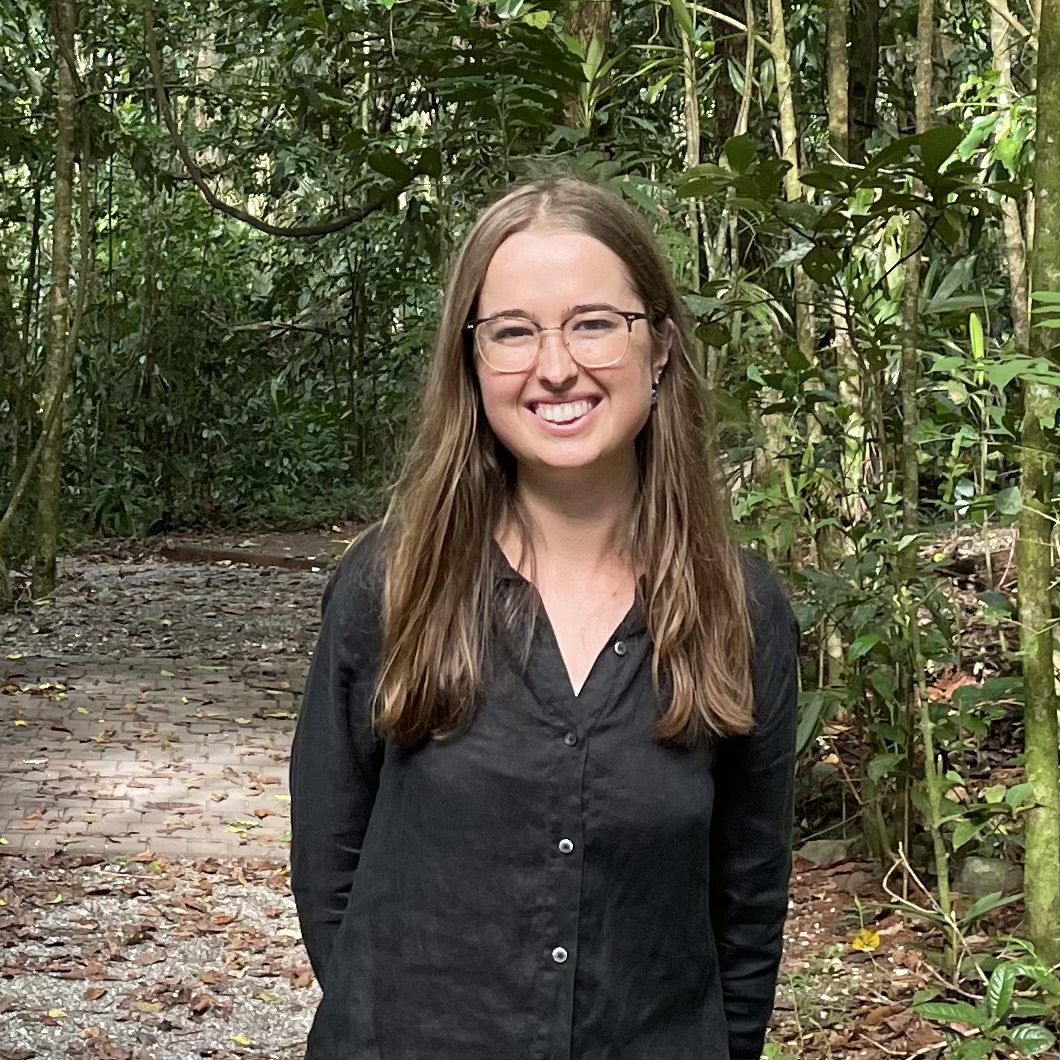
- Name: Mary Pilkinton
- School: MLC School Sydney
- Country: Australian
- Graduated: 2017