
Paul Sandford, Lakefield College Alumnus and Round Square Trustee
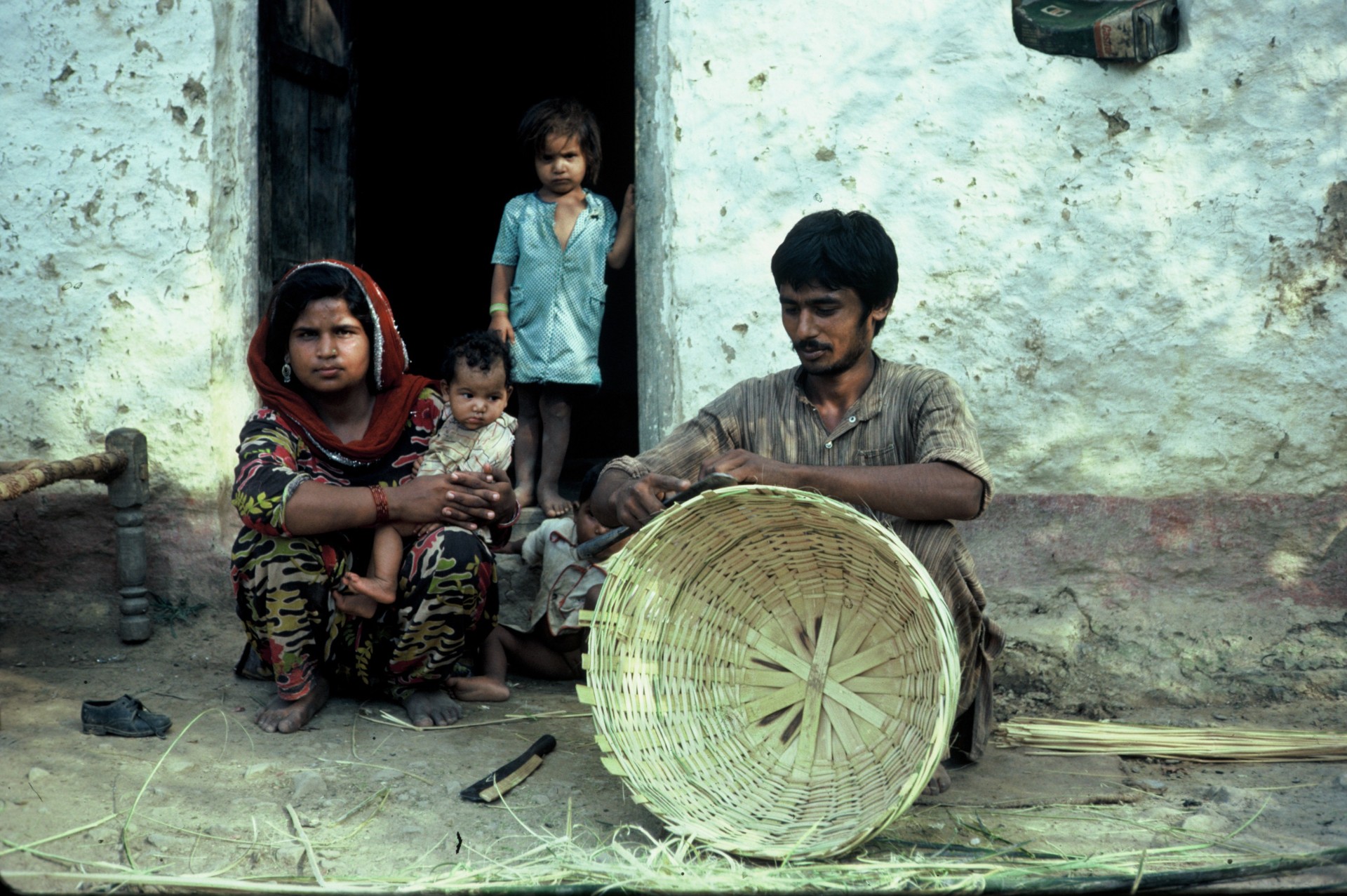
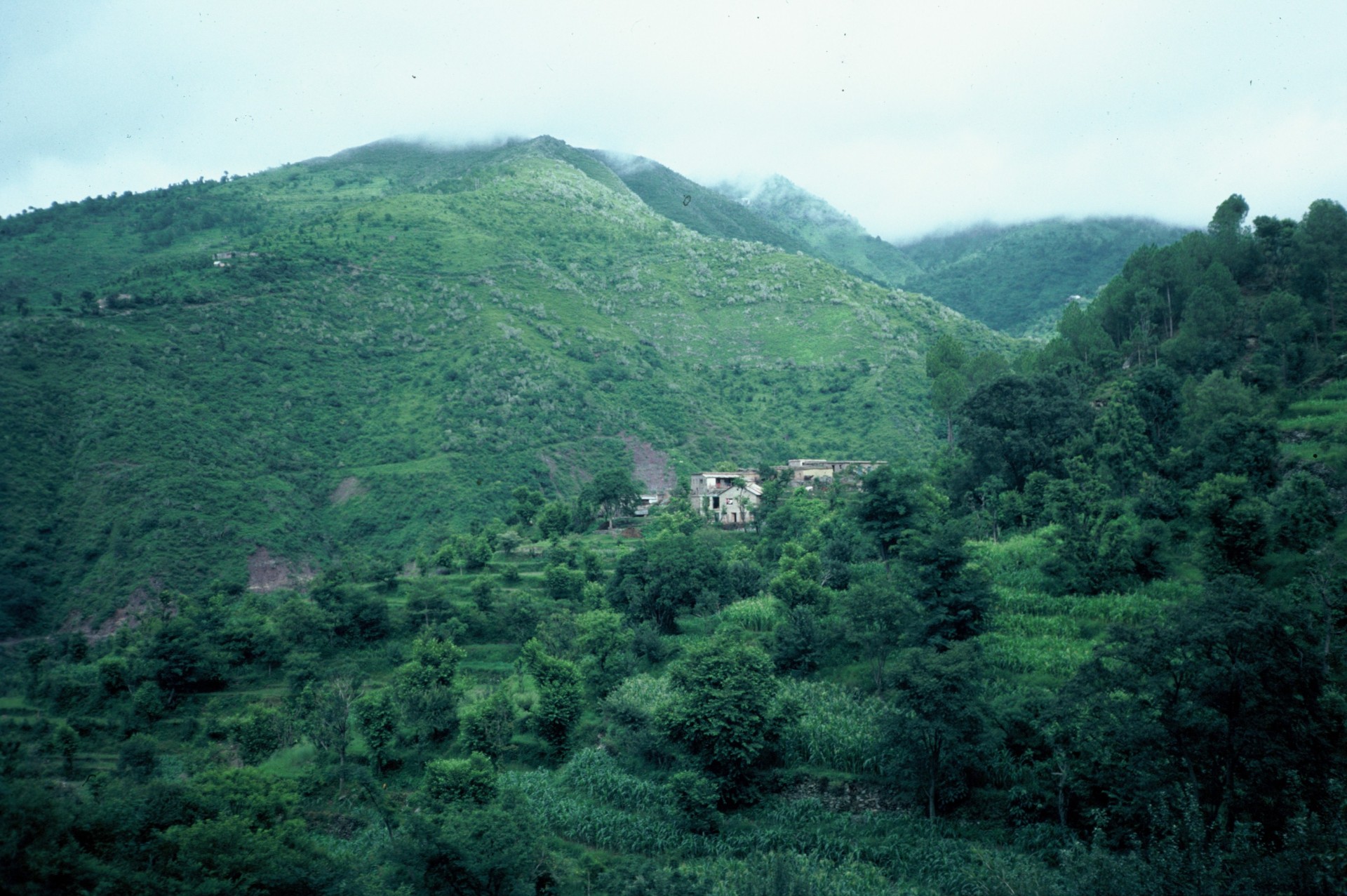
I was sixteen when I took part in the Round Square International Service (RSIS) Project back in 1983. Hosted by The Lawrence School, Sanawar, it brought together students from across the world for three weeks of community-based work in rural northern India. We were split into three groups, each heading to a different village to provide a different service. My group was stationed in Zangar, a small village of about sixty people that made baskets. We lived in a neighbouring village called Thandu and walked back-and-forth each day to work.
The experience was like nothing I’d ever encountered. From the outset, I was struck by the interconnectedness of the people and the quiet strength of their humanity. Thandu, for example, shared its water supply with Zangar during the dry season, a simple gesture that would turn out to be quite radical. In a region where caste systems often determined social and physical boundaries, the idea of an “upper caste” village offering up its precious water to a “lower caste” village broke with tradition. It was an early lesson in dignity and compassion, and one that stayed with me.
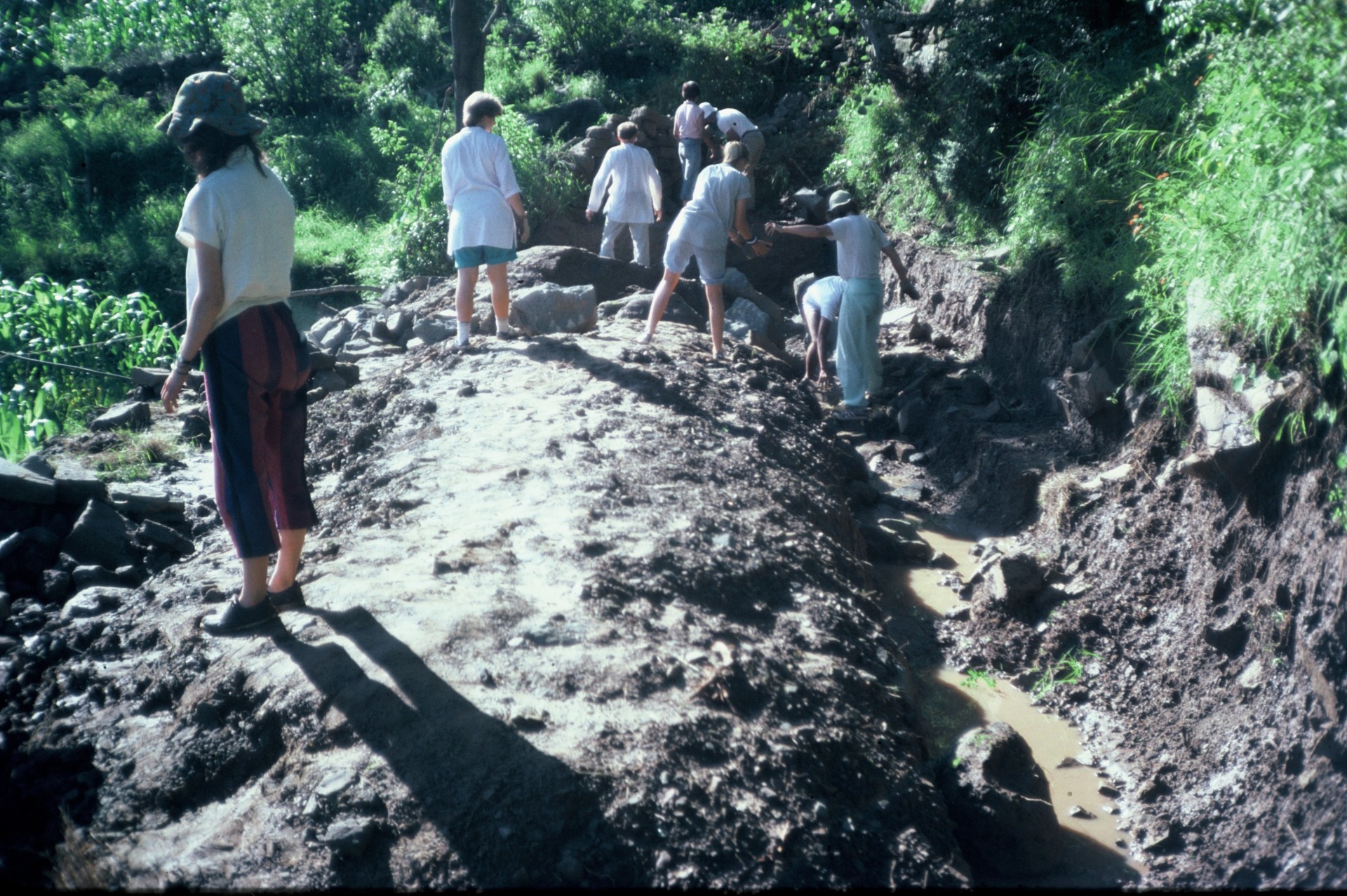
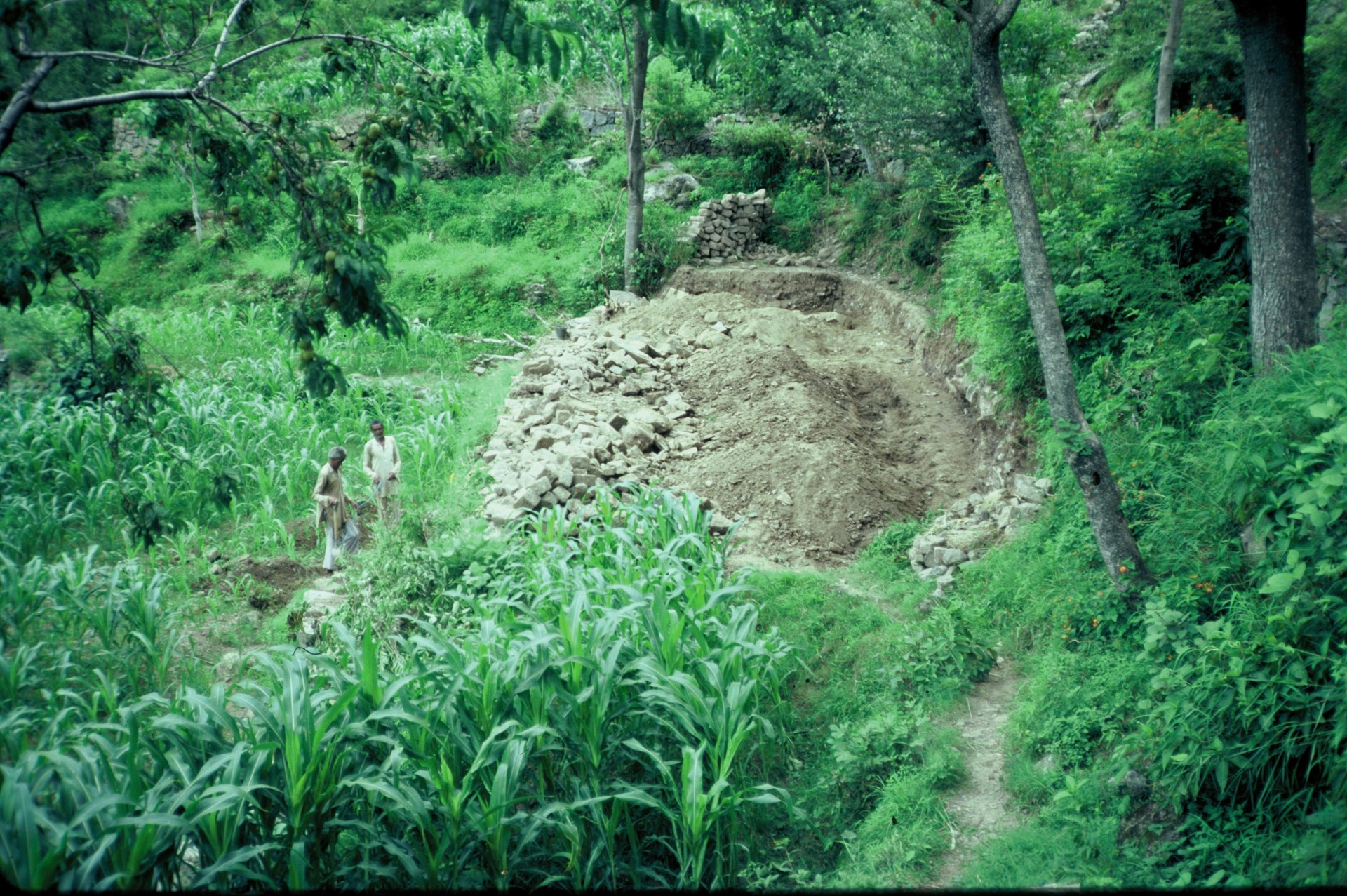
The work every morning itself was physical: cleaning algae from the waterhole, carrying stones, digging foundations. Real manual labour. But the deeper impact came from our relationships. Each international student was paired with a student from an Indian Round Square school and asked to work on a research project in the afternoons. My partner and I interviewed every family in the village to ask about village customs, like how marriages were arranged, celebrations around births, etc. We’d sit outside people’s huts or on the dirt floor. I don’t remember all the details of the customs, but I remember feeling the privilege of sitting on the floor with total strangers in the foothills of the Himalayas, connecting with real life. You couldn’t book this kind of experience through a travel agent. And I knew, even at sixteen, that I was incredibly lucky to be there.
For me, those three weeks were part of a much longer trip as I had already spent 4 ½ months in Australia on a Round Square exchange to The Southport School. I had also decided, in advance, to stay on in India alone for a few more weeks after the service project was over to see more of the country. But when everyone else flew home, I was emotionally drained and ended up only travelling north to Kashmir and sulking on a houseboat for a couple weeks to re-charge and kill time until it was finally time to go home. 6-months, as it happens, is a very long time to be away from home travelling, especially at sixteen. To make matters worse, as a cocky “seasoned traveller”, I ended up consuming some street food back in Delhi that make me more ill than I could politely describe. In the end, however, I managed to find my way home to Toronto three days early, surprising my mum. She couldn’t believe I was standing there after all this time (and with very little contact when I was away given this was in the pre-cell phone era).
I came back grounded. And that grounding stayed with me.
In many ways, the trip didn’t change who I was, it confirmed who I was. It gave me the space to be that person. That’s something I’ve come to believe deeply over the years: success is not something you chase; it’s a by-product of knowing and being your true self. As Viktor Frankl wrote, “Success cannot be pursued; it must ensue.” The challenge is, most people ask, “What should I be?” when the better question is, “Who am I?” If you can answer that and then place yourself in an environment that lets you be that person, you’ll likely succeed — at life, at work, at relationships.
Service really got under my skin during that trip. It was nothing like raking leaves or ticking a box; it was deeper, more meaningful. That was the moment I got it. Living briefly at a subsistence level, seeing life in a remote village, meeting people who were considered untouchable. It was like stepping outside the Matrix and seeing how things could be. It opened my eyes. It made me realise what I don’t actually need. I really saw the difference between wants and essentials. That experience grounded me. It showed me what’s real, what matters. And that understanding has shaped how I’ve lived ever since.
After university and a few very intense years of working in NYC and Hong Kong, my everyday life slowed down after I moved to The Bahamas for work and I was able commit more time to service. I immediately joined the board of the largest NGO in the country and restructured their grant-making programme; driving around the country looking for grassroots projects that needed support. I loved it. People often said they liked hearing me speak at board meetings because I brought worthwhile projects to life. I eventually became President of that NGO, and even served as Co-Chairman of the local chapter of The Duke of Edinburgh’s International Award program, but honestly, I always preferred being in the field.
That’s never changed. I’ve always felt most at home — most myself — when I’m connected to service and community. “Know yourself. Be yourself.” That’s what Round Square gave me. It didn’t hand me a script; it gave me a mirror.
In 2013, many years after moving to the UK, I travelled to the Simien Mountains in Ethiopia with a small UK charity to help with a water needs assessments. Water needs mattered to me because of the “shared village waterhole” experience on RSIS 1983. I met subsistence farmers working with donkeys and wooden ploughs — and once again, I felt that same deep sense of privilege and grounding. Another decade on, in 2024, I took part in a service project at RSIC Colombia, building chicken coops out of mud with students from around the world. And again, it reaffirmed how enriching service with genuine purpose is.
Interestingly, I only recently read my 1983 travel diary for that epic 6-month around-the-world Round Square experience for the first time and I noticed something striking: The Australian exchange was amazing — the travel, the other exchange students, the excitement — but my diary reflected a narrative of facts: “I went here, I saw this.” It was memorable, yes, but measured. By contrast, the diary entries for the RSIS project in India were more emotional and reflective. Why was I here? What was I expecting to get out of it? What was everyday life like for villagers? Looking back, it was clear that RSIS had helped me find my why, to feel that I was exactly where I should be.
Lakefield College School, my Round Square school for seven formative years, also played a huge part in shaping who I am. From age 11 to 19, the school gave me the freedom to explore, lead, and serve. Whether it was choir, sports, fire brigade, or international exchanges, Lakefield allowed me to be fully myself. The Round Square values weren’t just IDEALS on a wall; they were lived every day. Environmental stewardship, service, student-led initiatives, and global exchanges were all part of the fabric. Lakefield even hosted the RSIC in 1984 and I was able to participate as a delegate and meet even more interesting students from around the world. Lakefield, and the Round Square IDEALS by extension, grounded me in who I was and gave me the confidence to be that person, something I still carry into my life and work.
As a Round Square Trustee and father of four, I’m still driven by that same energy. Service, connection, curiosity. I’ve rededicated my life to it. I believe Round Square experiences like RSIS aren’t just about “doing good”, they’re about discovering who you really are when everything else is stripped away.
So, if I have one piece of advice for any student about to set out on a project like this, it’s this: take it all in. Pay attention to where you are. Think about what you’re really doing. Notice how it compares to your everyday life. You may not feel it right away, but it’s doing something important. It’s showing you your own reflection and inviting you to look back.

A local demonstrating how to make a “Zangar basket” 
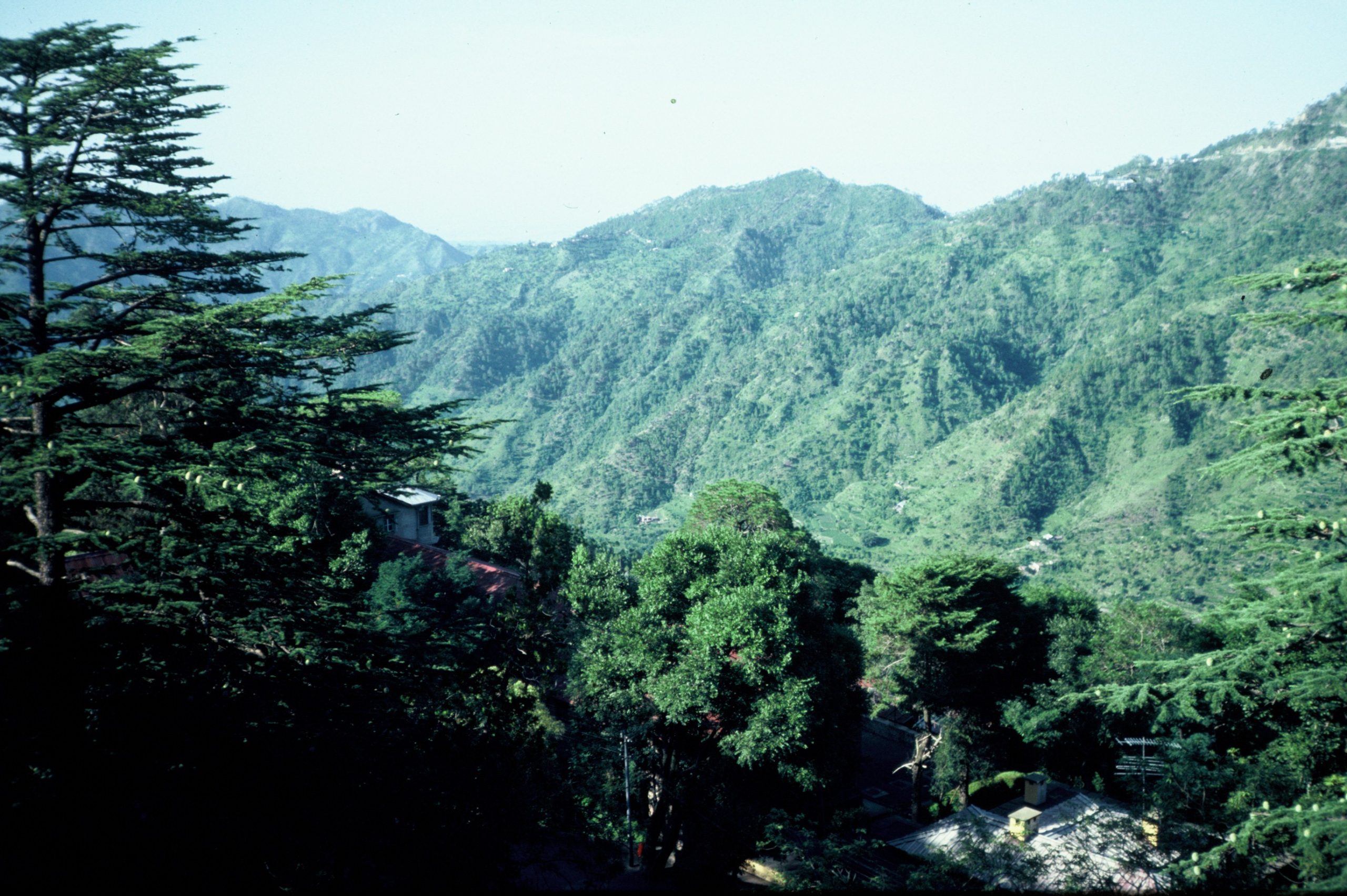
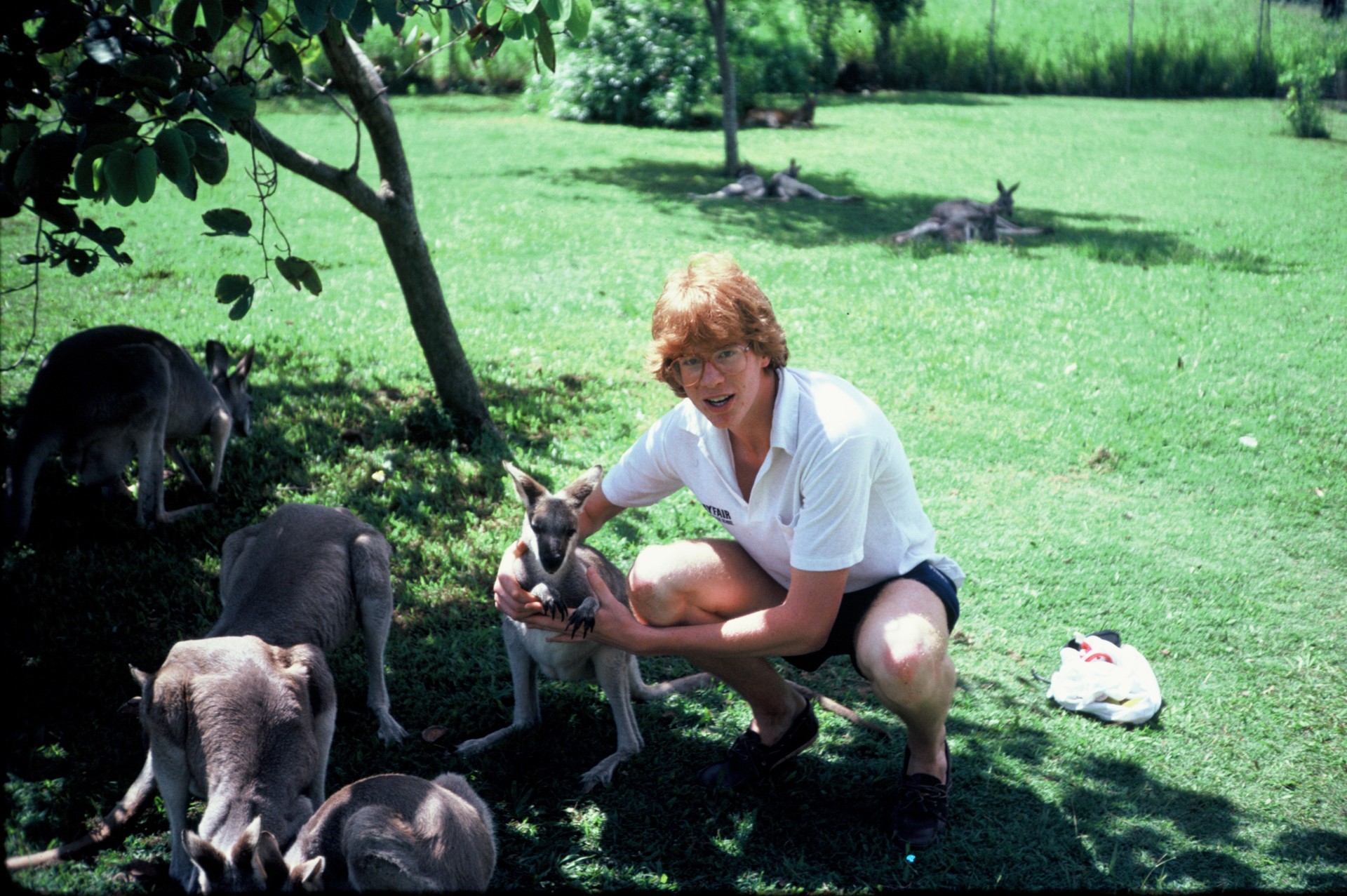
The village we actually “lived” in Thandu These are the stone masons that broke up the rocks so we could help carry them away This is the house we lived in (we slept in the open air on the covered patio to protect us against the monsoon rains). This is us on-site after one of the monsoon rain downpours Paul in Australia 
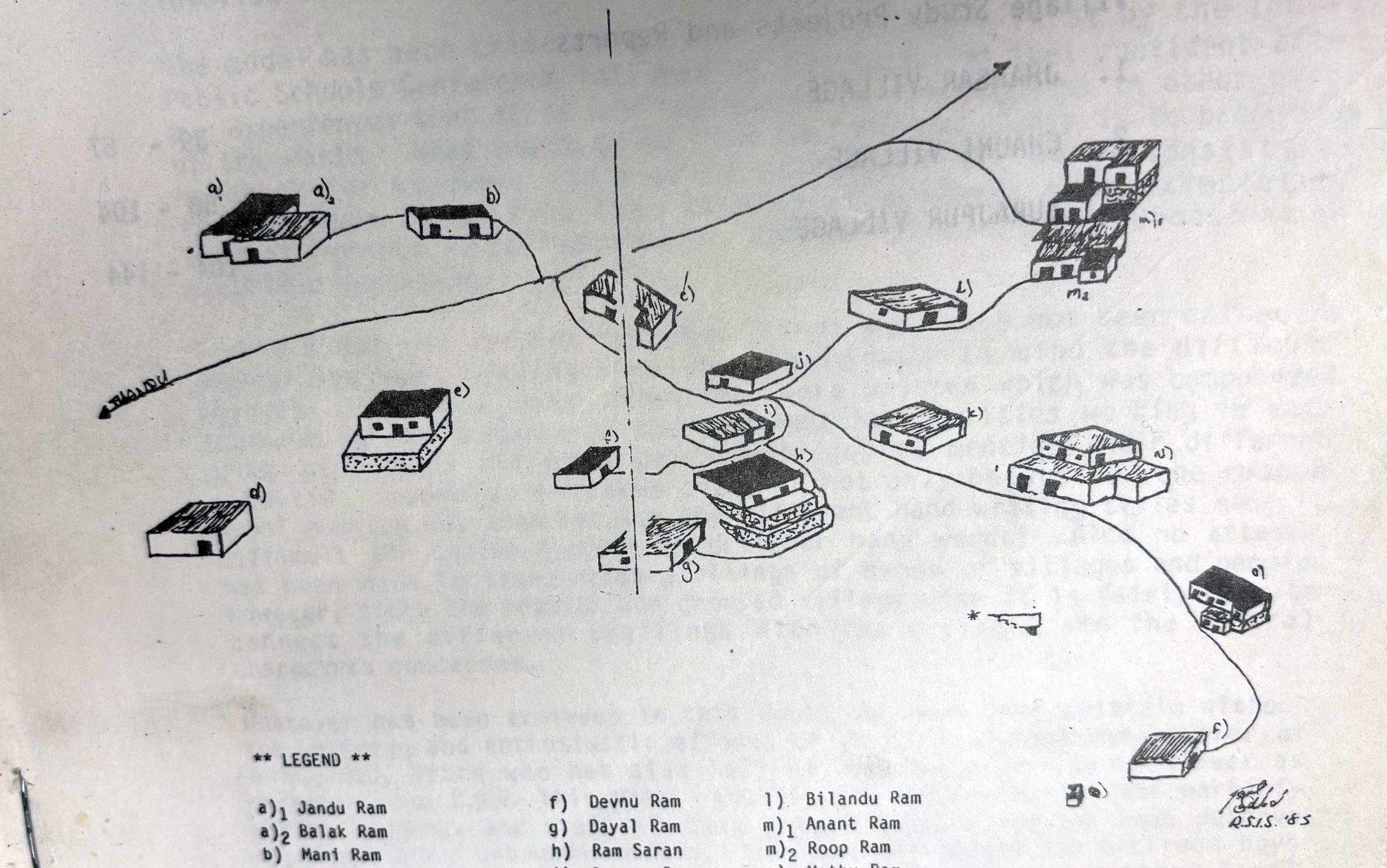
Map of Zhangar 1983

- Name: Paul Sandford
- School: Lakefield College School
- Country: Canada
- Graduated:
More Alumni Stories

Vittoria Frua De Angeli – Kurt Hahn Prize Winner 1992
Vittoria Frua de Angeli talks about receiving the Kurt Hahn Prize in 1992 for an exceptional act of courage, and how her experiences at Aiglon and via Round Square...