60 for 60 at Rajmata Krishna Kumari Girls Public School, India
At Rajmata Krishna Kumari Girls’ Public School (RKKGPS), the 60 for 60 Adventure Challenge provided students with opportunities to engage meaningfully with issues beyond the classroom. Their activities reflected personal choice, careful thought, and a willingness to take responsibility for real concerns in their communities.
As the school’s Round Square Coordinator, Sapna Gupta, notes, “What stands out the most is the genuine enthusiasm of the students. Their choices are not just activities, but reflections of empathy, responsibility, and a desire to create a positive impact.”
Addressing Menstrual Health and Dignity
A key focus of RKK’s 60 for 60 participation was menstrual health awareness and access, with students asking the question: how can something so natural be treated as shameful?
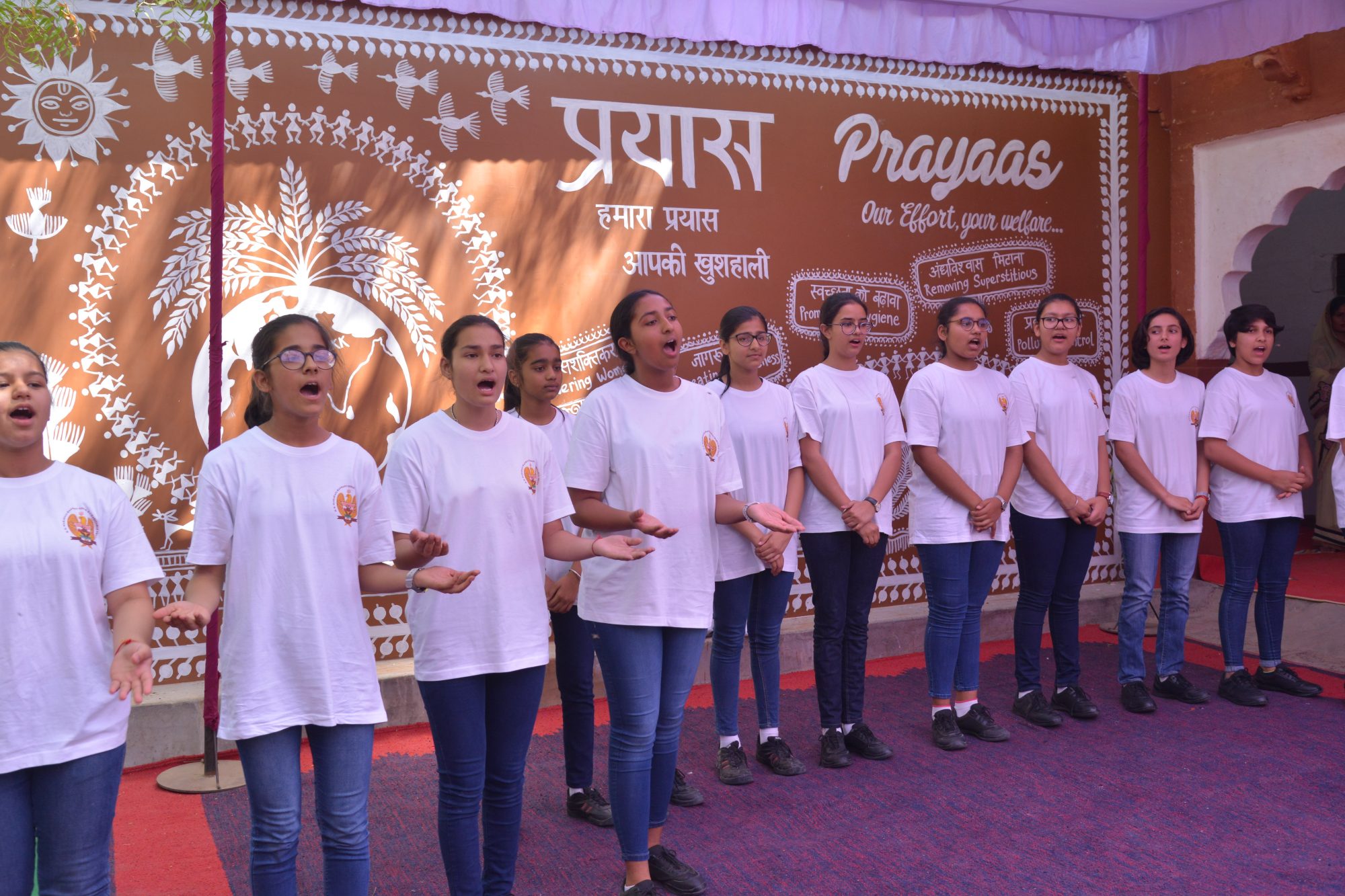
Through a Nukkad Natak (a street play) performed in public spaces, students addressed taboos around menstruation and highlighted the challenges faced by those without access to basic hygiene products. This awareness work was supported by action. Sanitary napkins produced by the school’s Hamara Prayaas Club were distributed in government schools and less privileged neighbourhoods.
Reflecting on the experience, RKK student Bhavi notes: “This experience was not just about spreading awareness, but about changing mindsets.” She adds that it encouraged her “to think beyond myself and take responsibility to contribute meaningfully to society.”
For student Kavya, the issue became personal through a conversation outside school. Learning that girls in nearby communities miss school every month because of menstruation brought home the consequences of silence and stigma. Connecting this to RKK’s Round Square initiatives, she reflects, “We didn’t just hand out sanitary napkins; we handed out dignity.”
One moment in particular stayed with her: “The girls weren’t hiding the packets under their desks. They were holding them high in the air—not shy, not hesitant, but proud.”
“The problem was never just about a lack of resources—it was a lack of conversation,” says Kavya, another student. “The silence is broken. Now, let’s make some noise.”
Creating Welcoming Spaces Through Service
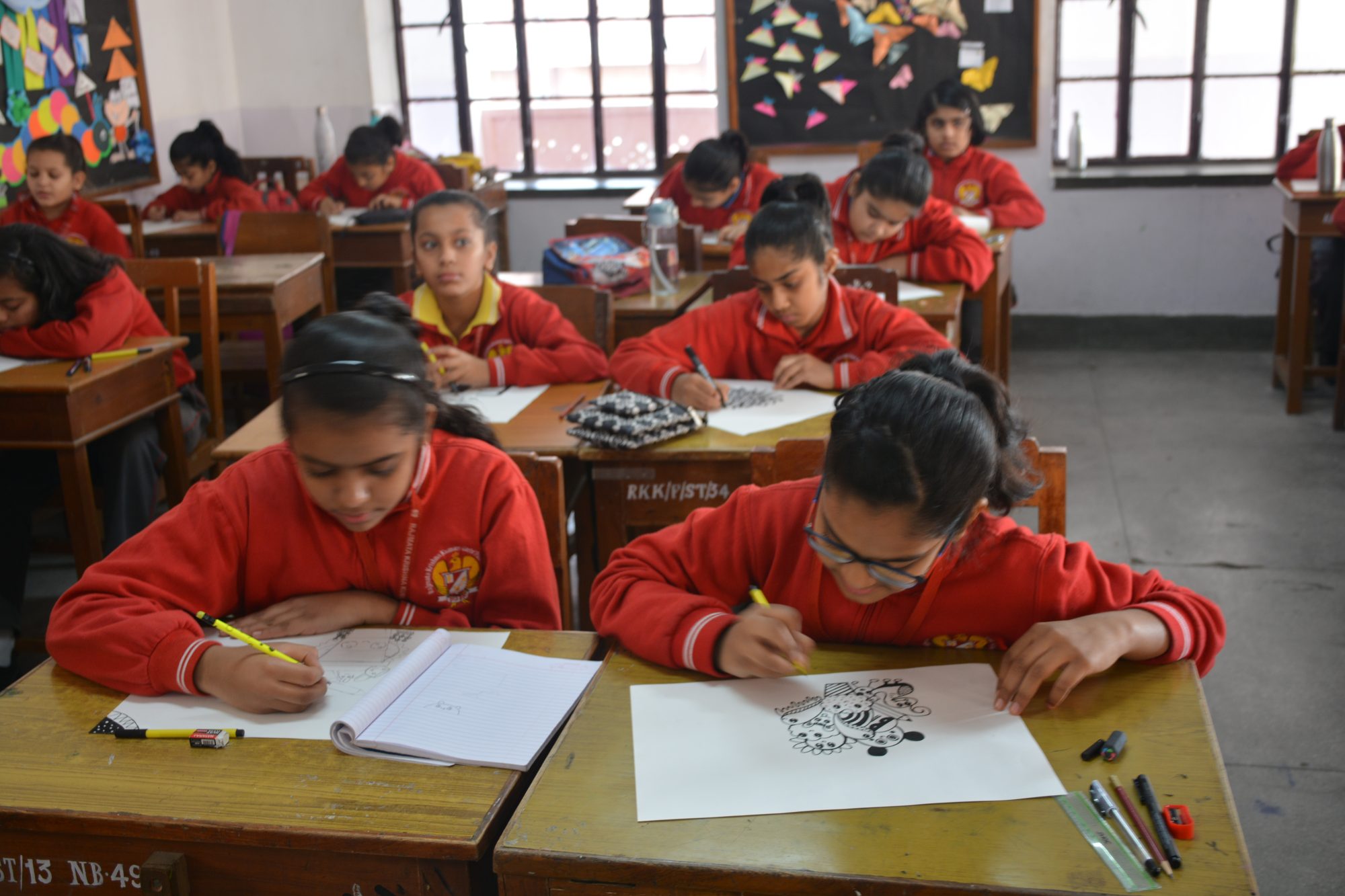
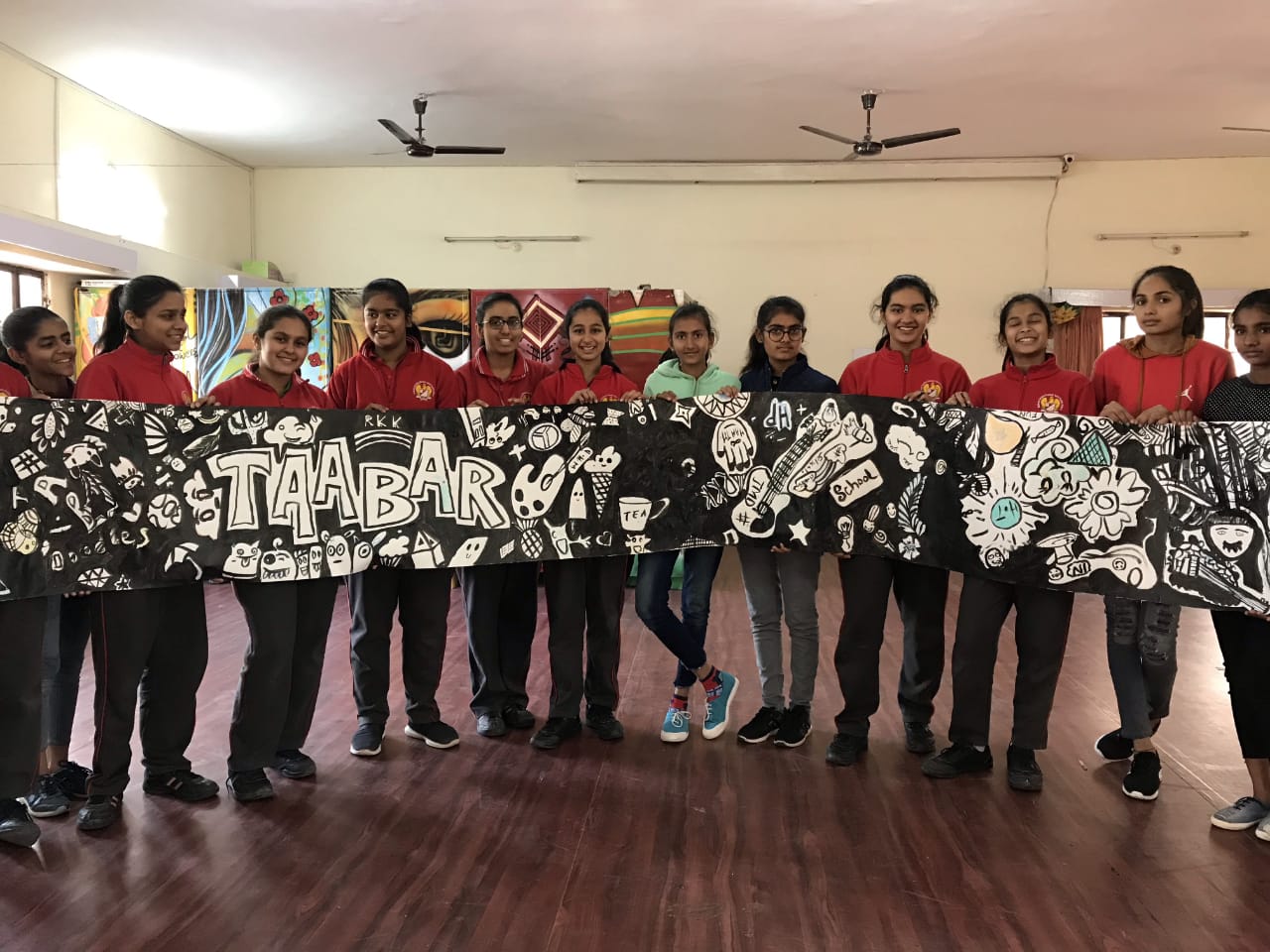
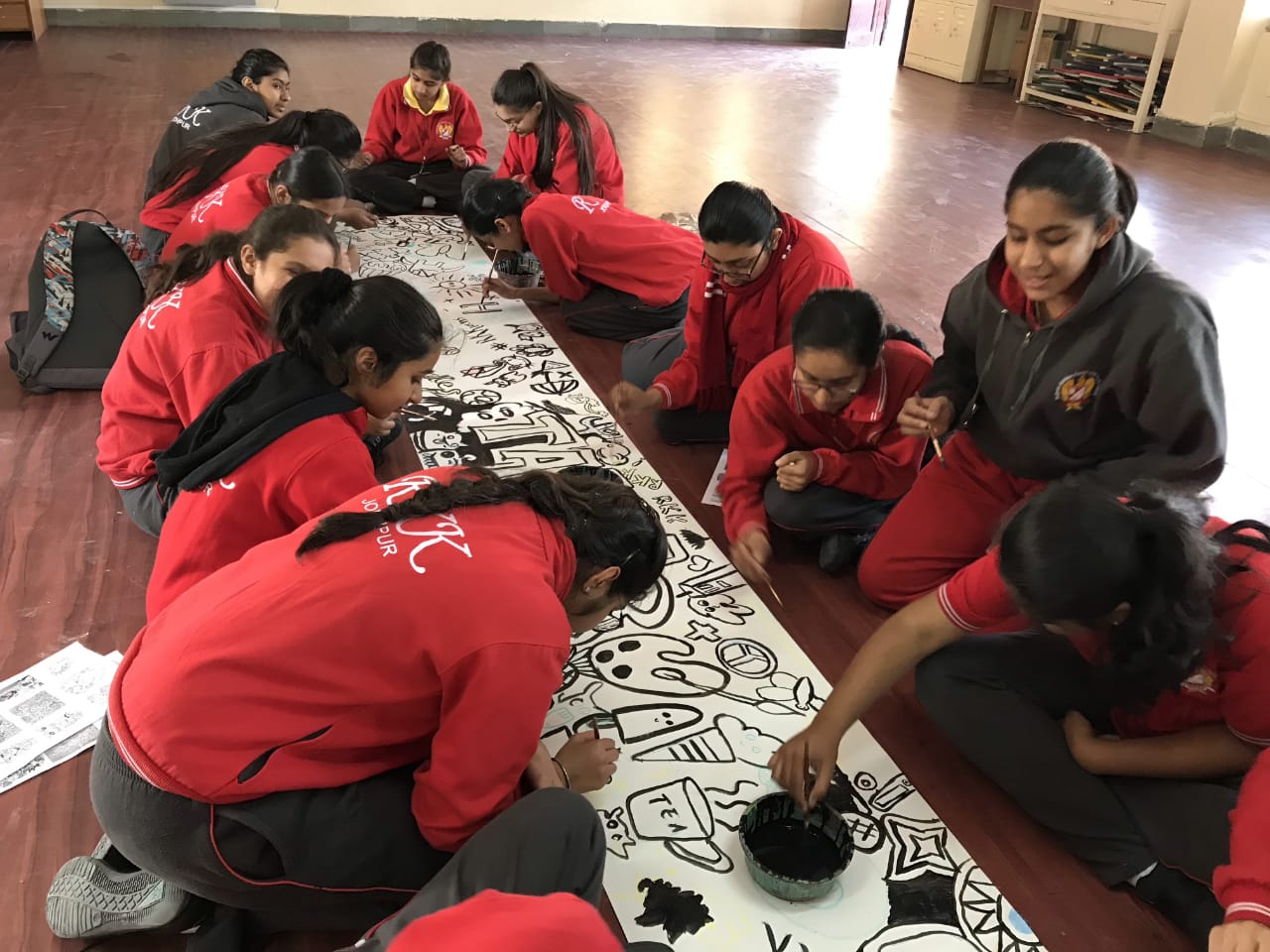
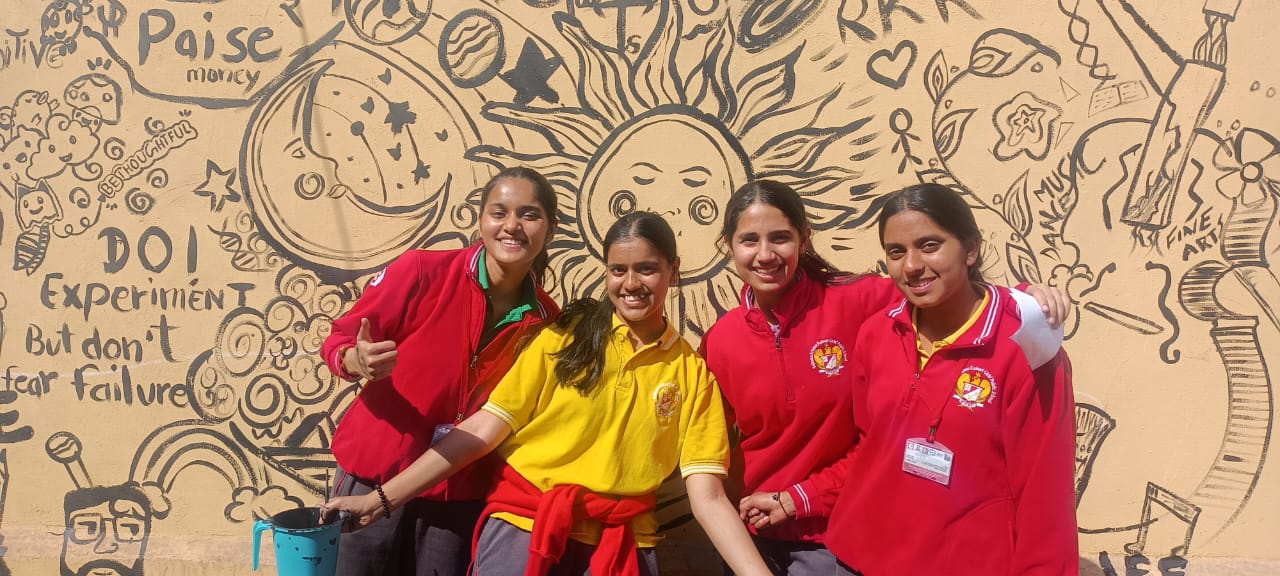
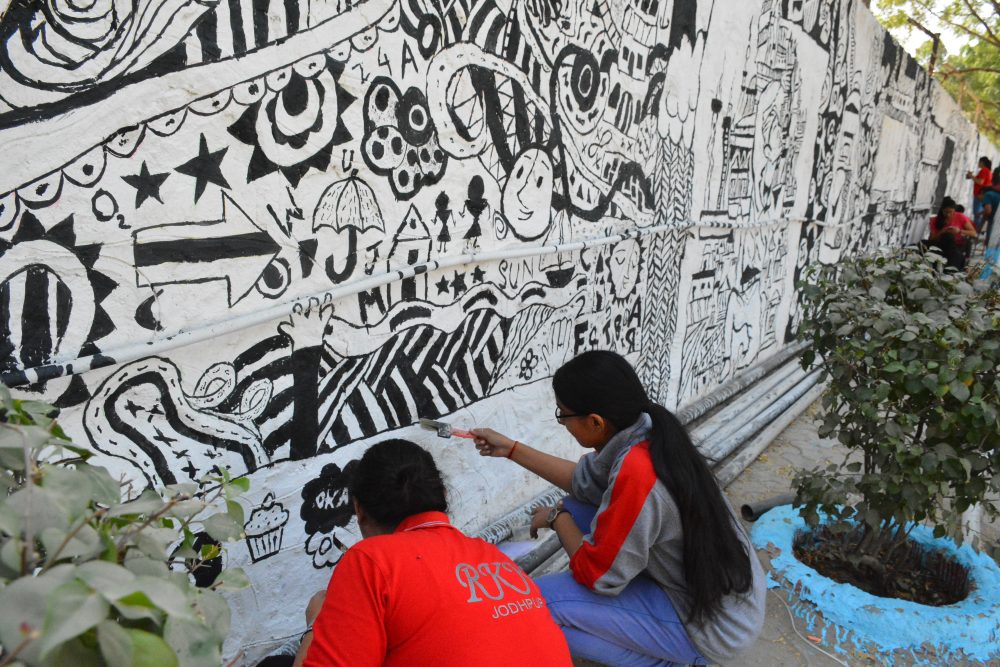
The school’s Adventure Challenge Service also took creative and practical forms. When students visited a nearby government school to paint and doodle on outdoor walls, the aim was to improve the learning environment for children who had limited access to resources.
Student Nivisha recalls standing before an empty wall: “It looked plain and lifeless. Some children gathered around us and watched with curiosity and excitement. Their bright smiles made the moment even more special.” She reflects that the experience showed her that “doodling is not just drawing lines; it is a way of spreading creativity and happiness.”
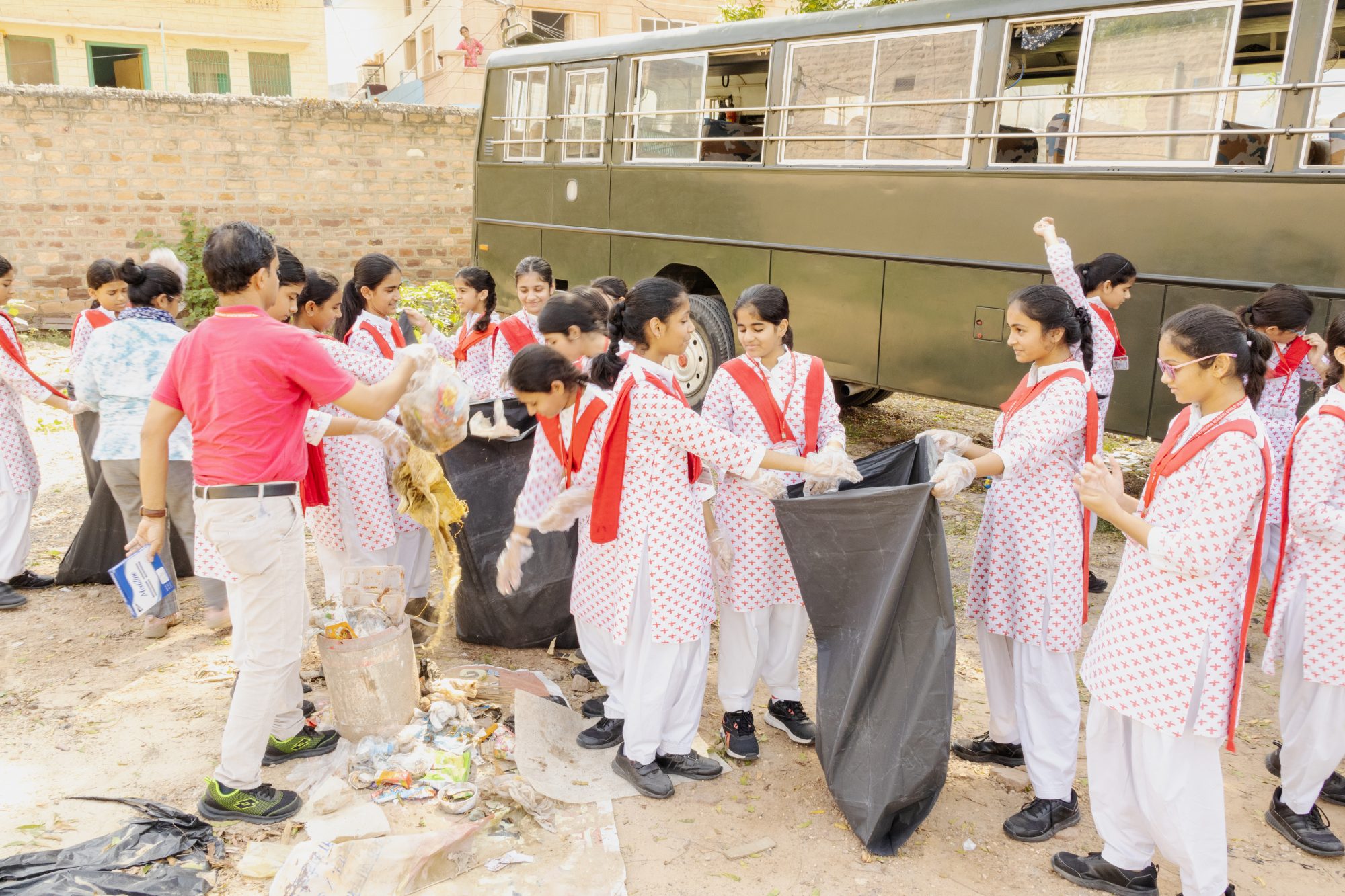
Other groups focused on maintaining and improving shared spaces within their own school through cleaning and upkeep, reinforcing the value of care and responsibility in everyday environments.
Environmental Responsibility in Practice
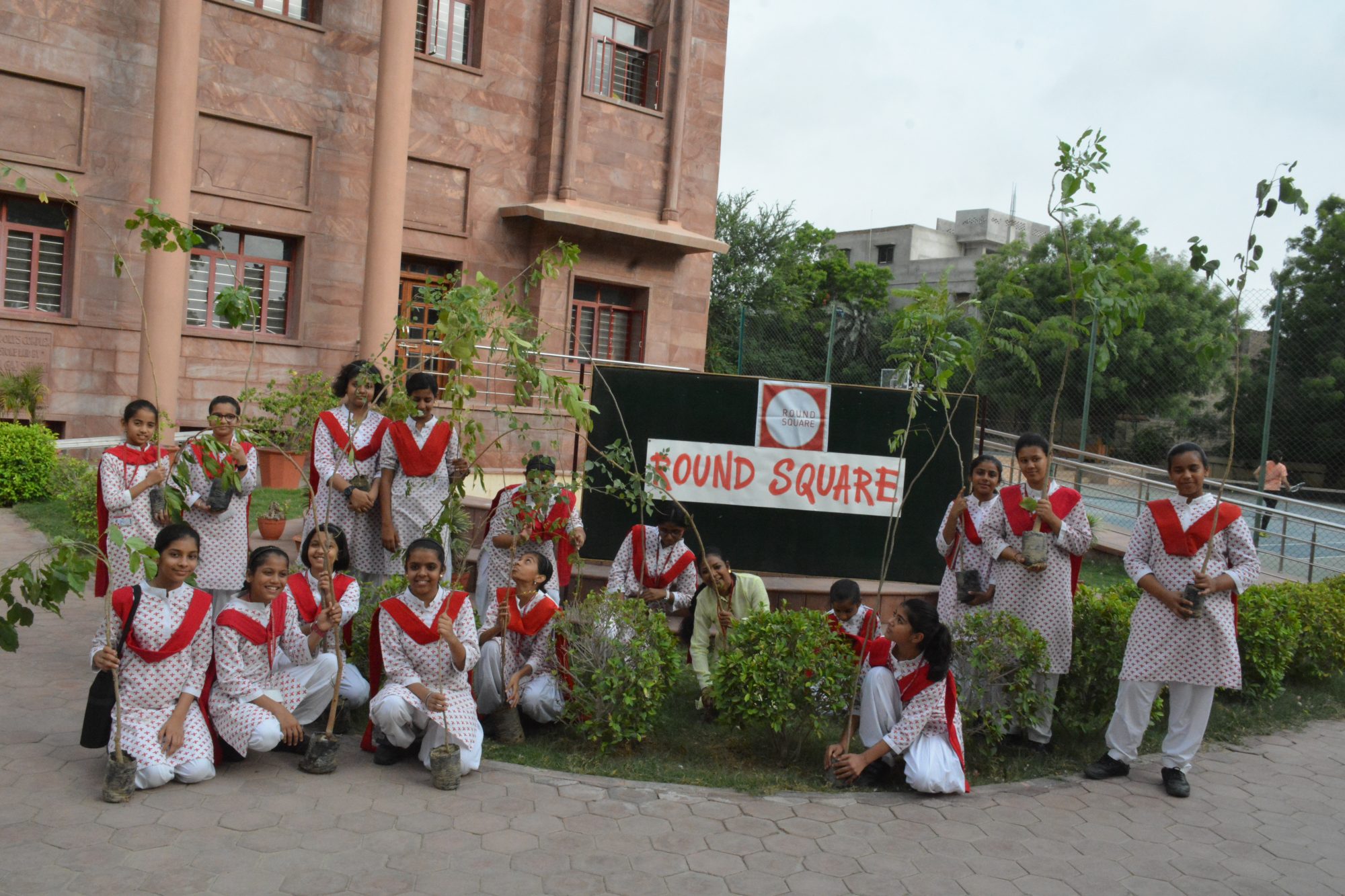
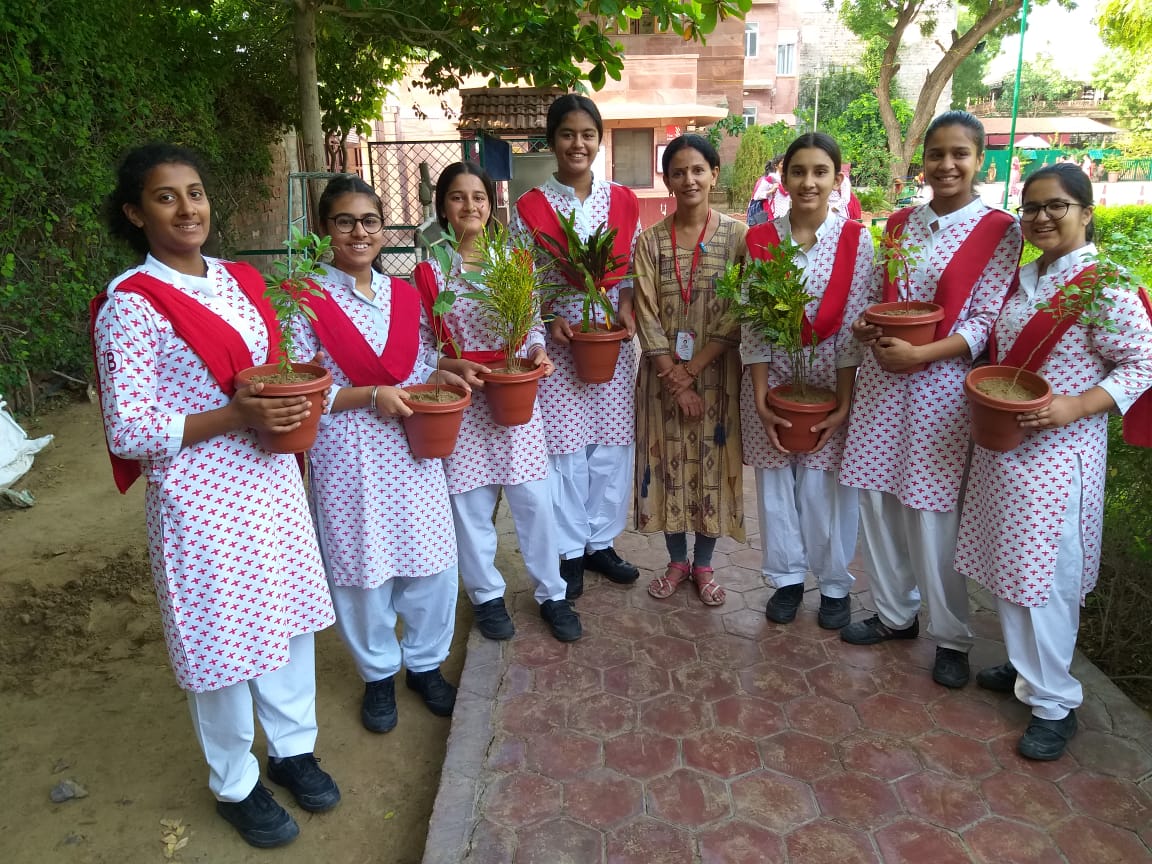
Environmental action formed another important strand of the Challenge. For Sonakshi, planting saplings in the school garden was a grounding experience. “It wasn’t just another school activity for me—I genuinely felt involved, like I was doing something that actually mattered,” she shares. She describes how “the cool earth on my hands and the careful way I pressed the mud around the plant felt calming and real.” Contributing money towards the initiative strengthened her sense of connection and accountability.
Hinal’s experience of cleaning and reviving a neglected pond led to similar reflection. “At first, it looked dirty and lifeless,” she explains. Taking part in the cleanup shifted that feeling. “As I helped clean up the trash and clear the water, I felt better and more responsible.” By the end, she felt “proud to have helped make something good and lasting.”
Encouraging Other Schools to Take Part
Across all these activities, RKK’s experience of the 60 for 60 Adventure Challenge was shaped by student choice, reflection, and action. Whether addressing social stigma, improving shared spaces, or caring for the environment, students engaged with issues they found meaningful.
The experience highlights how the Challenge can offer schools a flexible framework that supports student voice and responsibility.
Four Things to Consider When Organising Your 60 for 60 Adventure Challenge
- Start with student choice, not adult assumptions
The strongest initiatives emerge when students are trusted to identify issues that matter to them. In our experience, whether students chose to address menstrual health, environmental care, or community spaces, their commitment was deeper because the cause felt personal. Creating space for choice encourages ownership and leads to more thoughtful engagement. - Emphasize the importance of integrating the challenge with existing environmental and sustainability programs to build momentum
Linking the Adventure Challenge to existing environmental and sustainability initiatives helped students see their actions as part of something ongoing rather than standalone. Building on work the school was already doing created continuity and reinforced the idea that service and responsibility are long‑term commitments. This alignment proved particularly effective in maintaining momentum and deepening student engagement. - Start with a school‑wide kick off assembly to foster team spirit which boosts participation
Beginning the Challenge with a school‑wide assembly helped establish a shared sense of purpose from the outset. Introducing the aims of the Adventure Challenge, highlighting the values behind it, and encouraging collaboration created a collective mindset. This sense of team spirit played an important role in boosting participation and helping students feel part of a wider, shared effort. - Build in time and space for reflection
Reflection is essential in helping students make sense of what they have done and why it matters. The most meaningful learning came from students articulating their experiences in their own words, often recognising shifts in perspective or a growing sense of responsibility. Capturing these reflections also helps communicate the impact of the Challenge to the wider school community.