
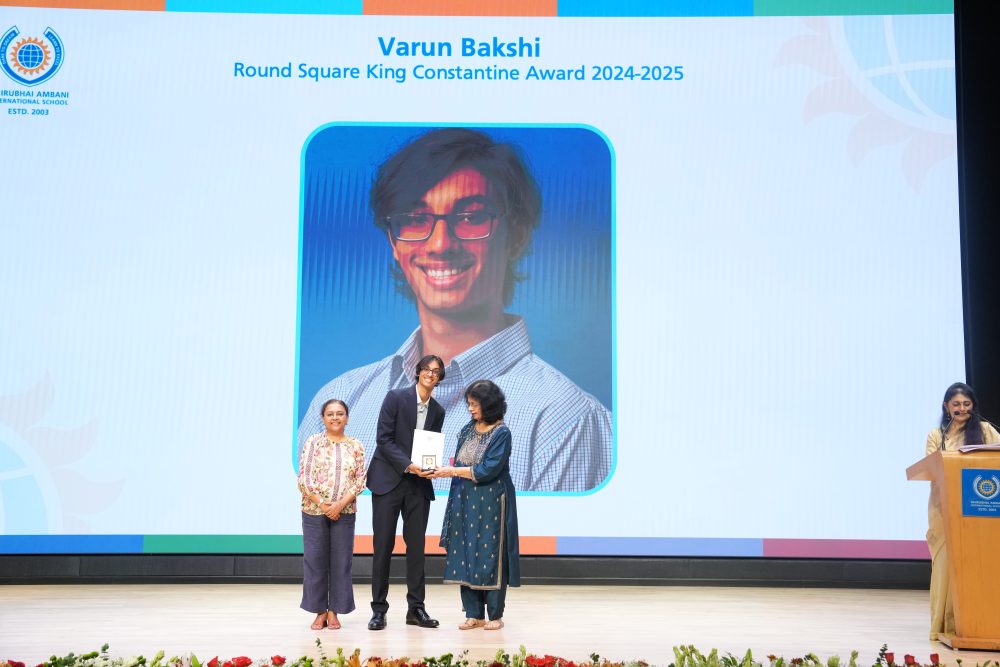
A King Constantine Medal Story: Varun Bakshi, DAIS
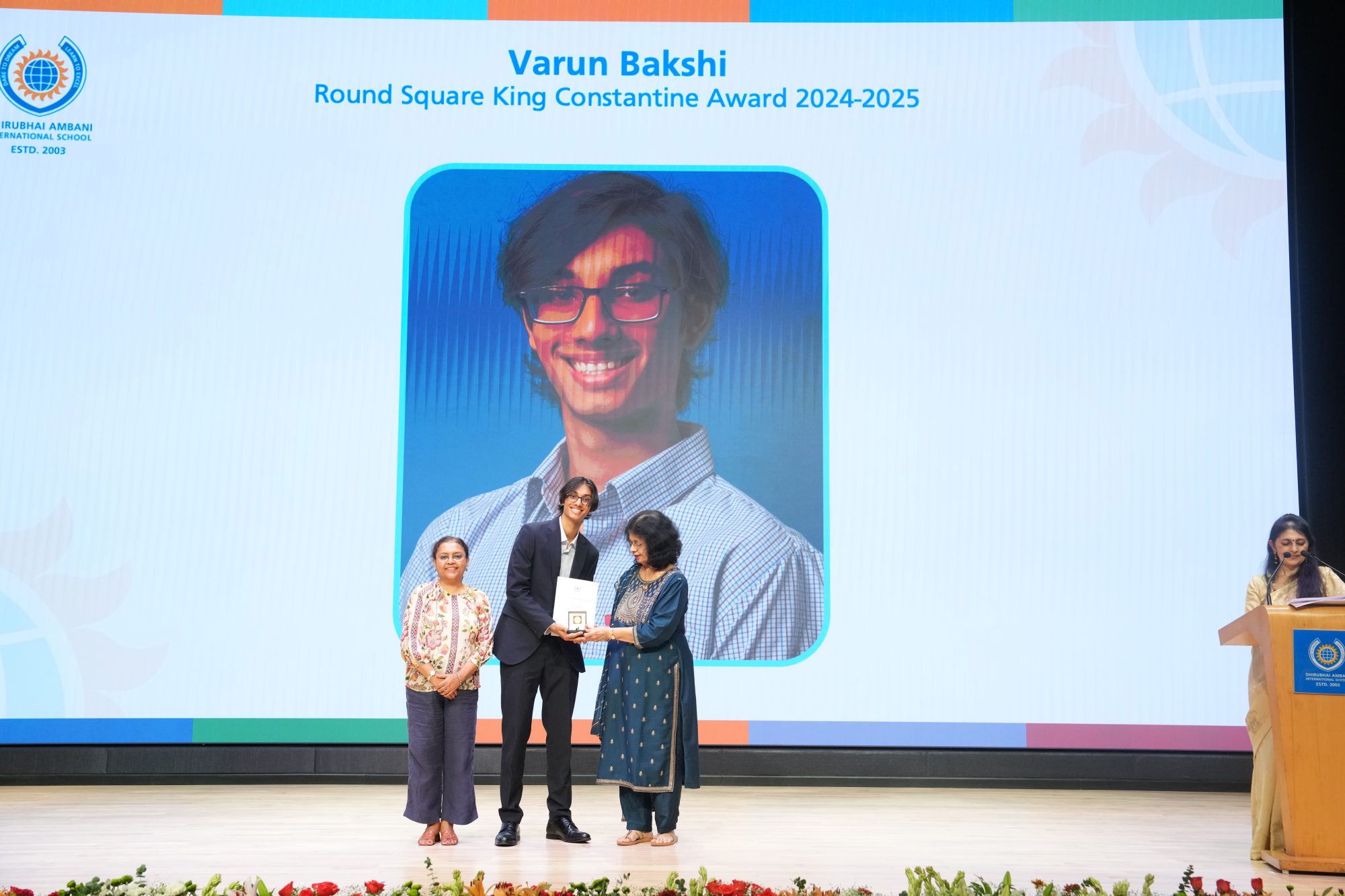
Varun Bakshi from Dhirubhai Ambani International School, India, has been awarded his school’s King Constantine Medal for his sustained work toward gender equality. Through years of grassroots engagement in rural Haryana, he has challenged deep-rooted patriarchy, empowered girls, and encouraged boys and men to become active allies in building a more equitable world. Varun talks about his work:
“When I was twelve, I travelled with my mother, a filmmaker, to rural Haryana during the Lohri harvest festival. Seeing only boys taking part, I whispered, “Are the girls not allowed to participate?” My mother gently replied, “They don’t let them be born.” That moment stayed with me. I was confused, angry, and disturbed, but in time, that discomfort turned into purpose.”
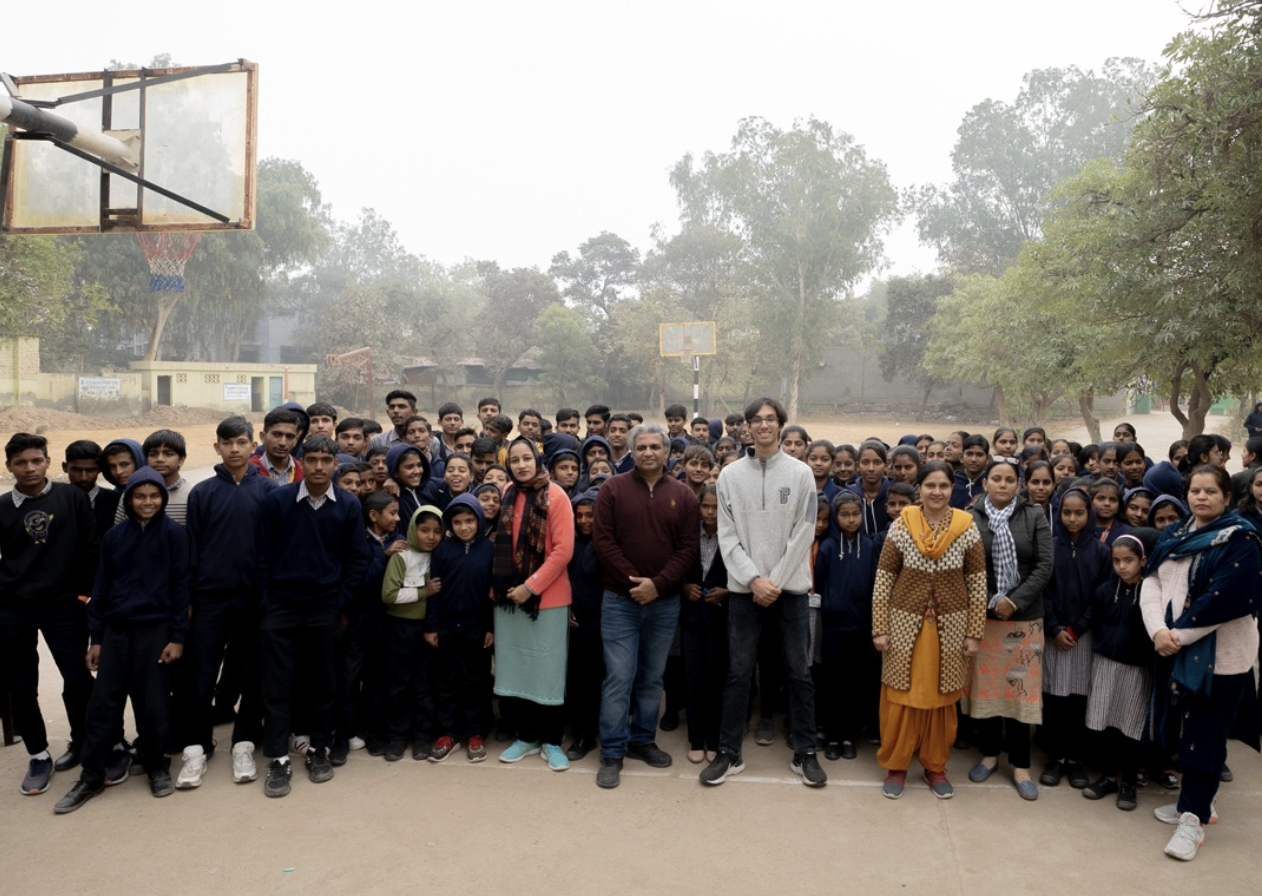
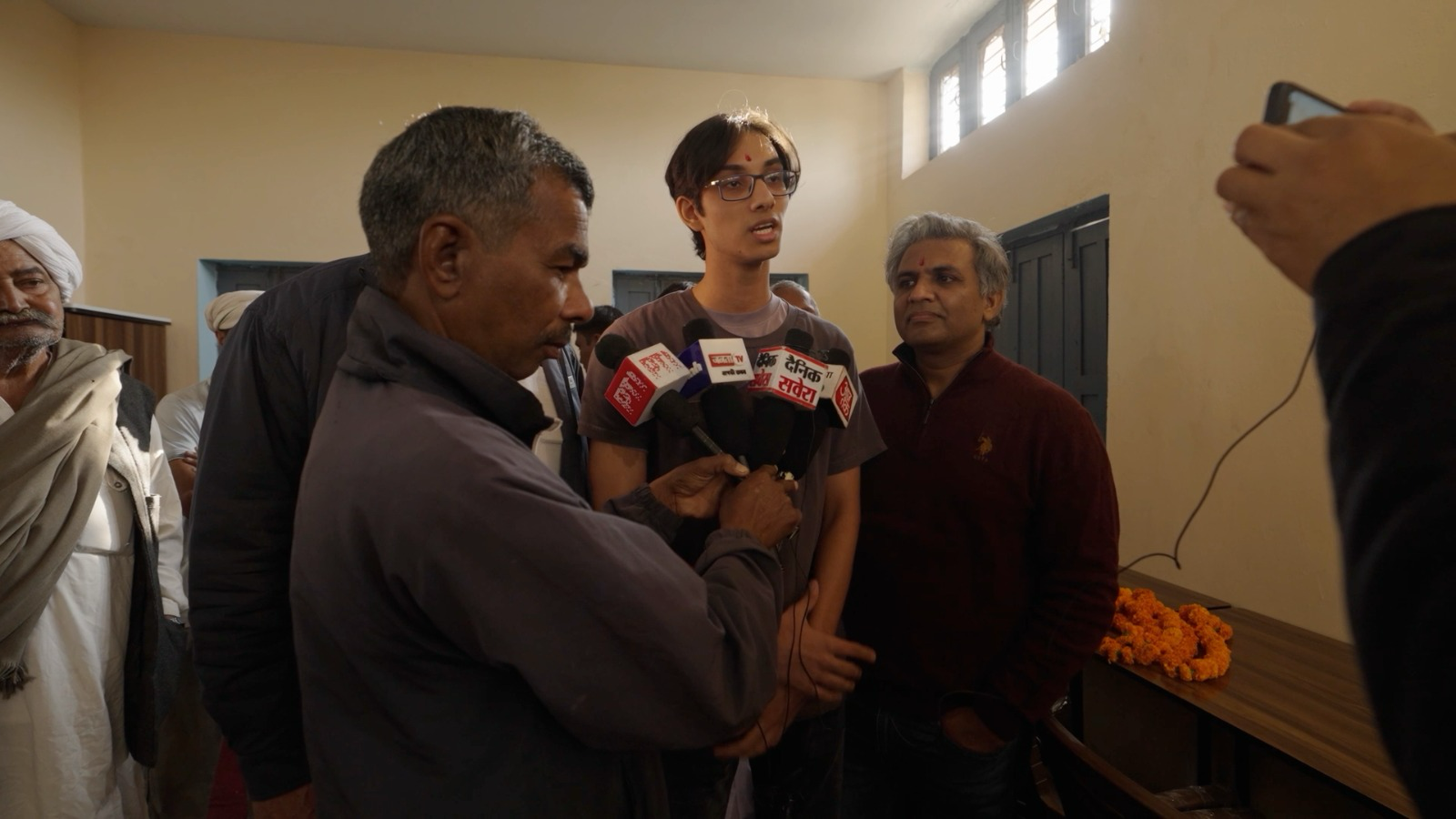
“I began volunteering with the Selfie With Daughter Foundation, eventually becoming part of the team. I spent time speaking with families, documenting their beliefs, and trying to understand the cultural, social, and economic logic that fuels gender inequality. Our goal was to encourage boys and men to become allies in creating a gender-equal world, and through workshops and dialogues, we reached nearly 1,000 boys aged twelve to eighteen across schools in Haryana.”
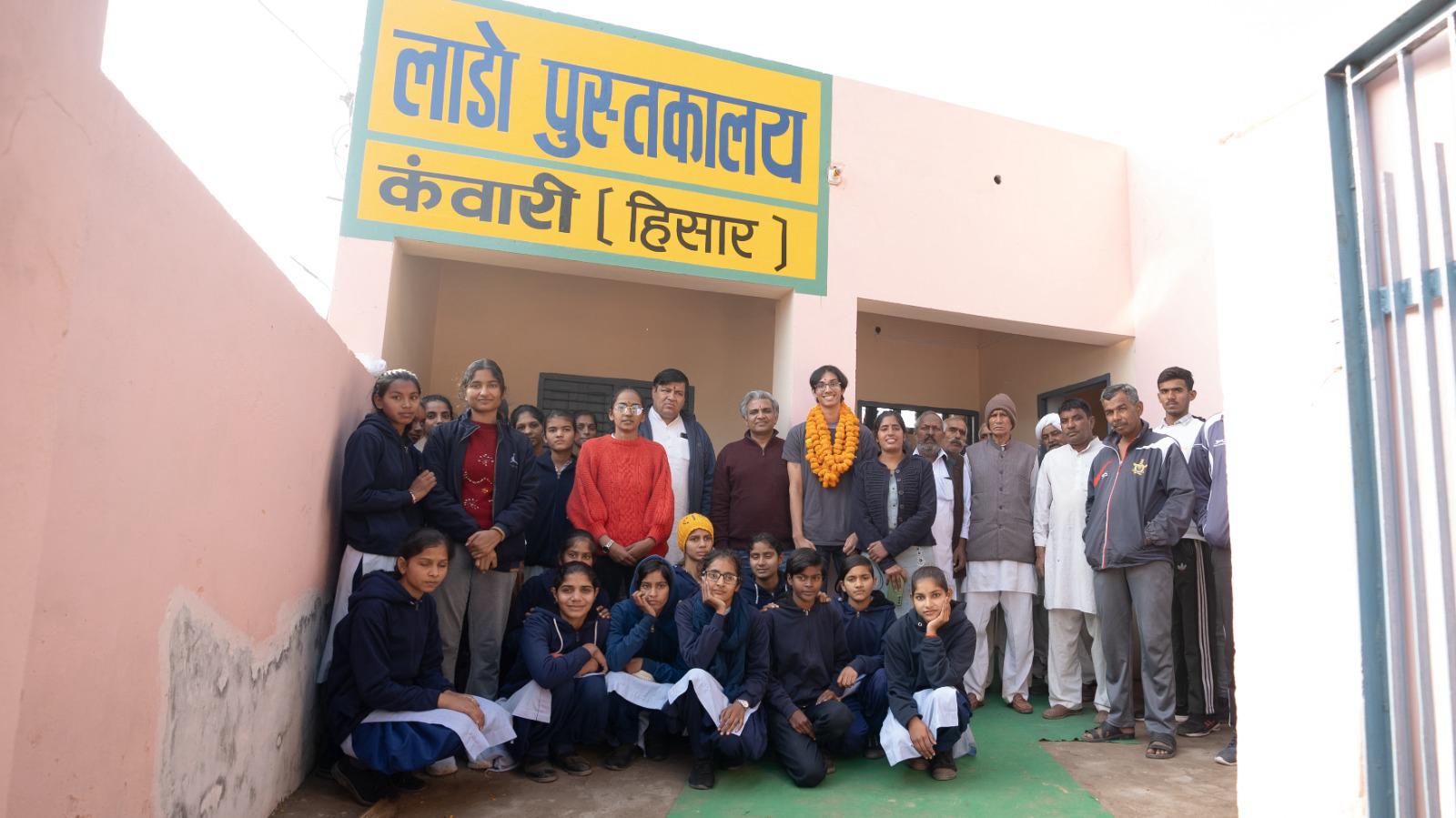
“One of the most defining struggles in this journey was building a girls-only library in a village where boys were encouraged to study while girls were expected to cook, clean, and care for family. We faced fundraising obstacles, delayed permissions, suspicious families, and fierce resistance from elders who accused me of breaking tradition. I approached the challenge carefully, meeting village leaders repeatedly, visiting homes, and organising small discussions to explain why the library mattered. Over time, resistance softened into curiosity, and eventually, support. After several months, we raised the funds, secured the space, and opened a room with 865 books.”
“Among the families I met during this time was Meena’s. She was sixteen and dreamed of becoming a teacher, but her brother insisted, “Who will take care of everything at home?” Instead of arguing, I spoke to him about how his education allowed him to support his family and how Meena could do the same. Over months, his scepticism shifted. He even helped set up the library. Later, when their parents tried to arrange her early marriage, he spoke up for her right to study. Meena claimed her future. Her brother helped break the cycle. I had witnessed something simple but powerful: if one boy can rethink what he’s grown up believing, maybe others could too.”
“Working closely with boys and men in Haryana taught me an important lesson: lasting change grows when everyone sees themselves as part of the movement. Silence around women’s health was common, so we introduced Menstrual Hygiene Kits and Period Awareness Charts. Watching fathers and sons engage, sometimes hesitantly, sometimes with curiosity, showed me how openly addressing menstruation could dismantle stigma. Our Nameplates of Equality initiative deepened this understanding. When men helped place nameplates on their homes bearing women’s names alongside their own, what seemed symbolic at first encouraged reflection on ownership, identity, and the everyday ways patriarchy shapes family life. These experiences shaped my view of leadership as creating space for others to rethink what they have grown up believing.”
“Alongside this, I worked on the Beti Hui Hai campaign, encouraged communities to celebrate the birth of girls, and contributed to national efforts such as the pledge for gender equality signed by one million students through Weber Shandwick. Each initiative, over my four years of working with the Selfie With Daughter Foundation, reaffirmed my belief that empathy, persistence, and collaboration can create measurable change.”
“Receiving the King Constantine Medal is an honour and a reinforcement of my commitment to continue this work. I have chosen to take a gap year to focus full-time on the Lado Panchayat initiative, a grassroots programme bringing girls and women into local governance to challenge child marriage and female infanticide. The Round Square IDEAL, especially Service and Leadership, guide me. Service teaches humility; leadership teaches consistency, patience, and the power of example. My school DAIS has continually supported my efforts, giving me the confidence and space to pursue this work with purpose. I hope to continue encouraging others to discover the value of inclusivity and the responsibility we all share in building a more equitable world.”
Four Steps to Take Action like Varun
- Identify the issue that moves you.
Look closely at the challenges in your community. Find a cause that resonates deeply and motivates you to persist even when change seems difficult.
- Listen and learn before acting.
Understand the perspectives, beliefs, and experiences of those affected. Build trust by acknowledging differences while highlighting shared values.
- Take small, consistent steps.
Start with achievable initiatives and grow gradually. Use patience, creativity, and problem-solving to overcome resistance and logistical challenges.
- Engage others to create impact.
Bring peers, families, and community members along. Encourage participation, model the change you want to see, and ensure that initiatives are sustainable and inclusive.