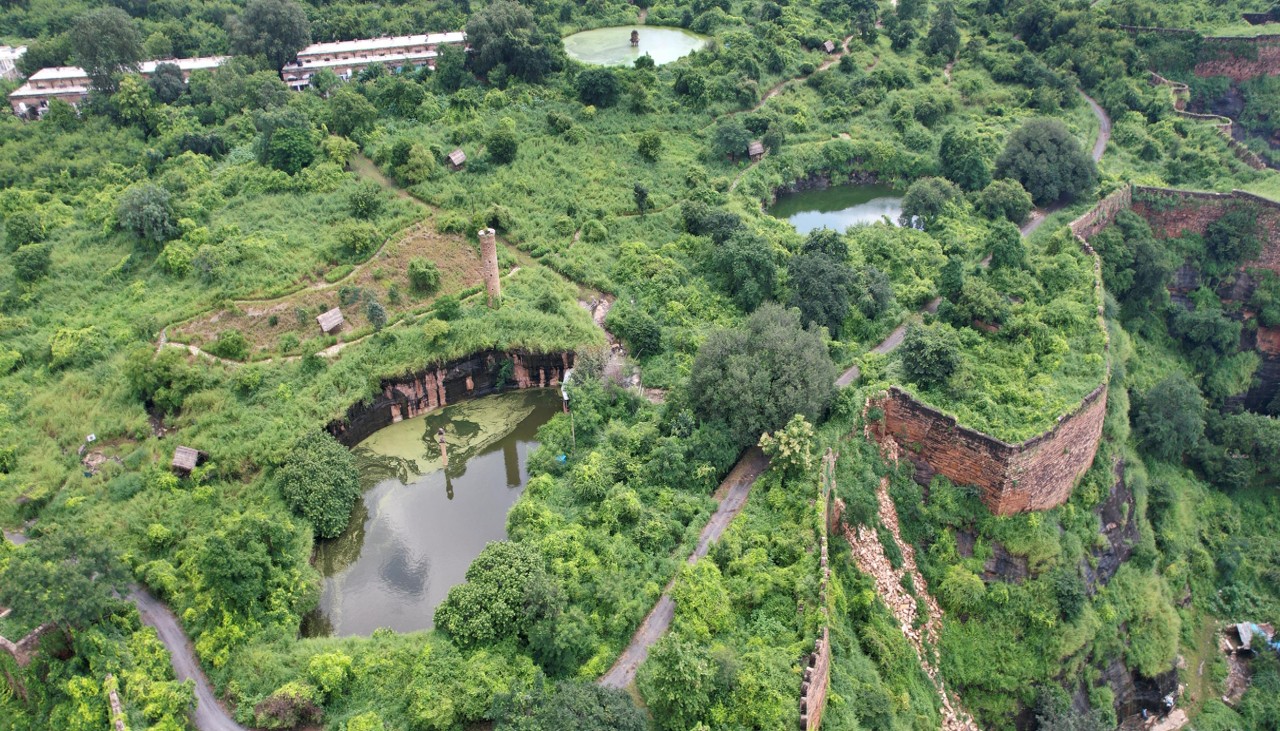
Case Study: Biosphere Project, The Scindia School, India
The Biosphere Project is a whole-school sustainability project developed by The Scindia School in India. Built around five pillars—rewilding, water conservation, waste management, energy conservation and regenerative farming—it gives students responsibility for researching, improving and maintaining the school’s local environment. Since 2020, the project has transformed parts of the campus into a living laboratory where students learn by doing.
Rewilding the Campus
The project began with a detailed study of the school’s ecosystem. Students and staff identified invasive plant species that were consuming large amounts of water and affecting local biodiversity. These were gradually removed and replaced with native species better suited to local conditions.
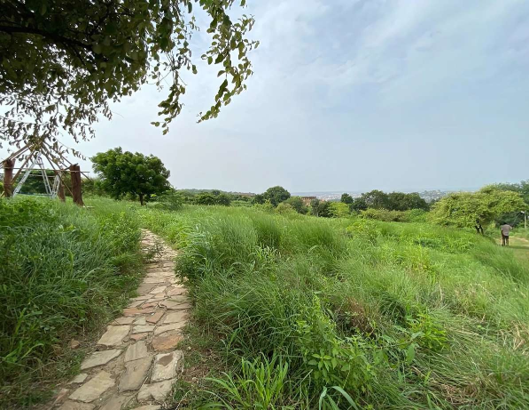
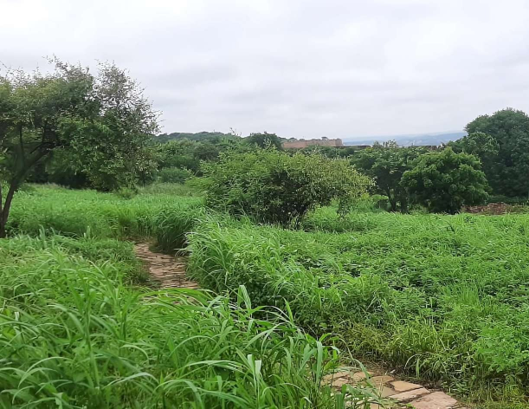
A 15,000-square-metre area has been restored as native grassland using more than 80 species of grasses collected from the surrounding region. The aim was to create a self-sustaining habitat that requires little ongoing irrigation.
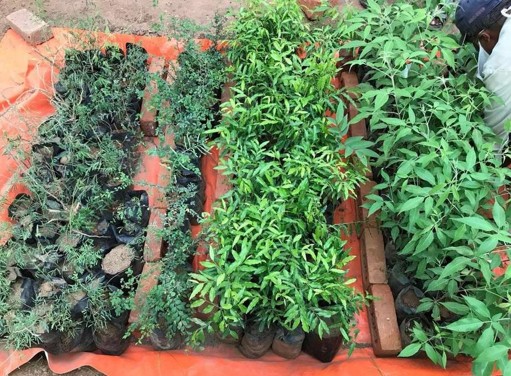
Alongside this work, the school established a native plant nursery containing thousands of saplings that are distributed to local schools, community groups and the wider town. Students learn about soil types, native species, pollination and biodiversity while helping to maintain the site.
Conserving Water
Located in a semi-arid region, water conservation is a major focus of the project. The school manages six historic water reservoirs on its campus and has restored channels that direct rainwater into these storage systems. During one particularly successful monsoon season, the reservoirs collected more than 300 lakh litres of water.
Students help maintain the water channels, monitor water quality and investigate how water is stored and used across the campus. Water testing, irrigation planning and rainwater harvesting all form part of the learning experience.
Turning Waste into a Resource
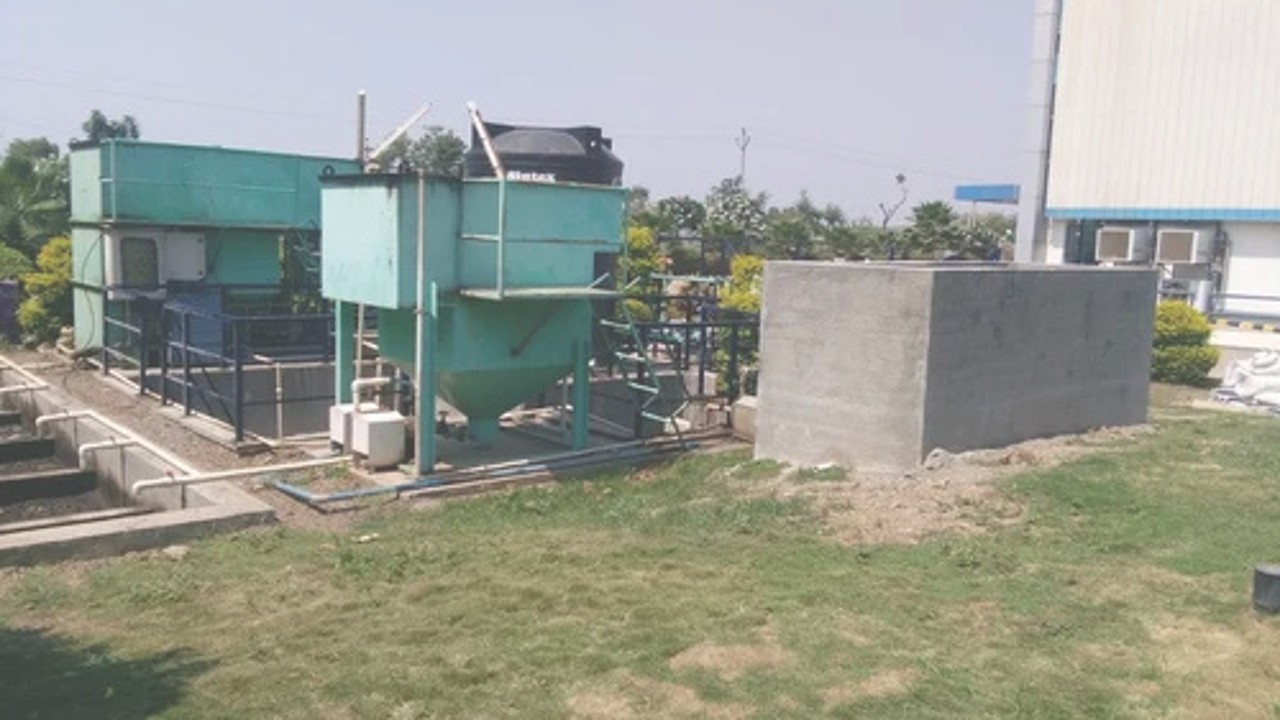
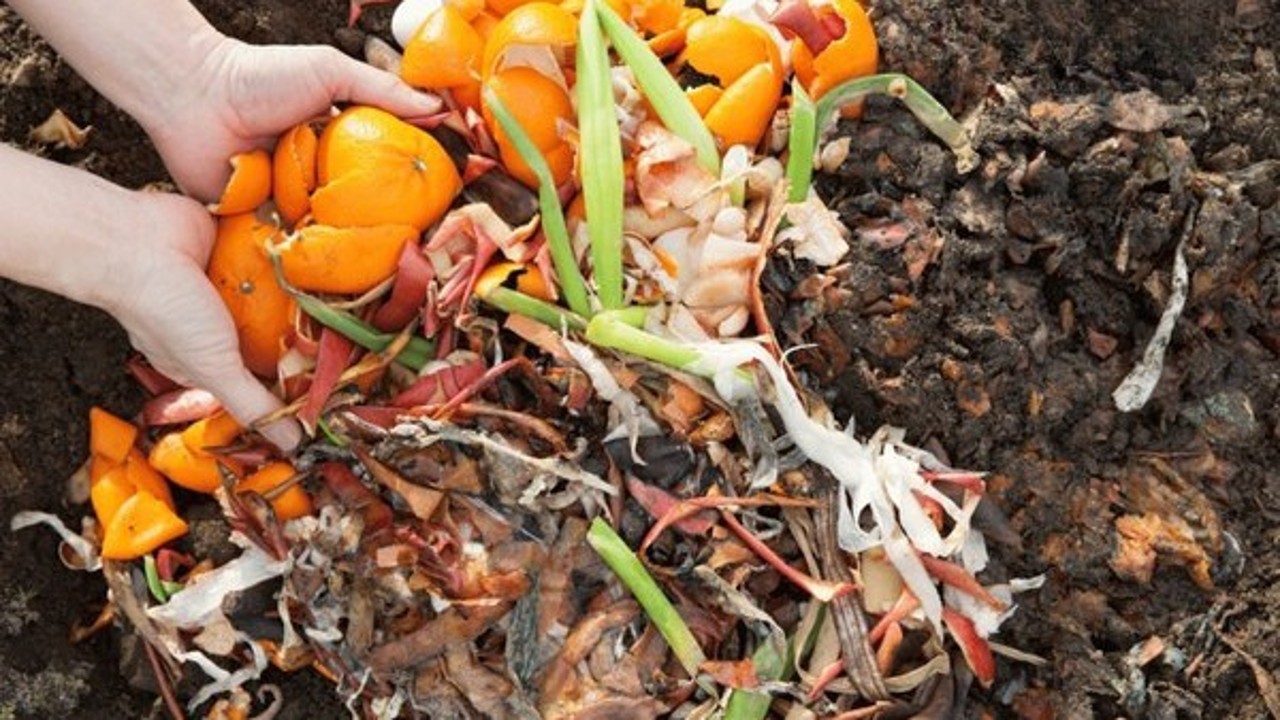
Waste management is approached as a circular system. Fallen leaves are collected and turned into compost, while wastewater is treated and reused for irrigation. Sludge produced through the treatment process is used to improve soil quality in areas being developed for orchards and farming.
Students have also led initiatives beyond the school grounds. One project repurposed unwanted clothing into reusable shopping bags, with around 70,000 bags distributed across the city as part of a campaign to reduce single-use plastics.
Energy Conservation
The energy conservation pillar focuses on awareness and behaviour change. The school runs a weekly no-vehicle day, while students monitor electricity use in classrooms and boarding houses to reduce unnecessary consumption. Students also help encourage energy-saving habits across the community.
Regenerative Farming
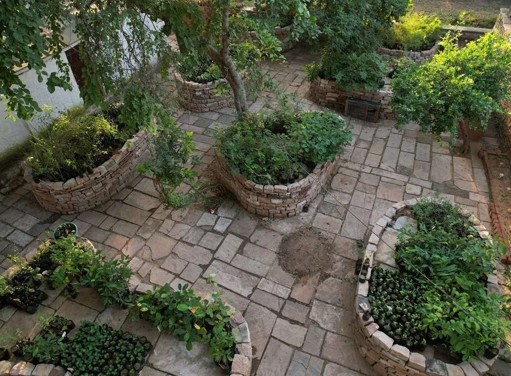
The most recent strand of the project focuses on regenerative farming. Students are involved in planning and developing vegetable gardens and orchards using techniques suited to local environmental conditions. Produce is intended for use in the school dining hall, helping students understand where food comes from and the importance of maintaining healthy soils.
A Living Laboratory for Learning
One of the project’s strengths is that it supports learning across multiple subjects. Rather than sitting alongside the curriculum, the Biosphere has become a teaching and learning space used throughout the school. Students use the Biosphere to:
- Study biodiversity, native species and ecosystems.
- Investigate pollination and the role different insects play in local habitats.
- Test water quality and analyse environmental data.
- Research soil profiles and understand which plant species are best suited to different conditions.
- Map water movement and explore rainwater harvesting systems.
- Calculate the volume of water stored in the school’s reservoirs.
- Investigate carbon footprints, climate change and environmental sustainability.
- Carry out independent research projects linked to local environmental challenges.
Principal Ajay Singh highlights the way even Mathematics lessons can be brought into the Biosphere:
“The maths teacher takes them. They have a rope. The diameter of that water body is taken manually. The height of the water is already there. You are finding a volume of water. So children will never forget that. It’s a real-life education which is happening.”
The result is a learning environment that extends beyond traditional classrooms and gives students opportunities to apply their knowledge in meaningful ways.
Challenges
The project has faced practical challenges, including sourcing native grass species, managing water in a semi-arid environment and finding ways to reduce evaporation during periods of extreme heat.
Perhaps the most unexpected challenge, however, has been managing demand for the space itself. As student interest has grown, more classes and project groups want to use the Biosphere for learning and research. As Sangeeta Jain explains: “Every child wants to go to the meadow and every child wants to sit near the pond.”
The school continues to explore ways to increase opportunities for students to work in the space while balancing other academic commitments.
Impact
The project has helped students develop a stronger understanding of sustainability and their role in addressing environmental challenges. According to Ajay Singh, students increasingly recognise that climate change is connected to human behaviour and that they have a responsibility to act. Parents regularly report students bringing these lessons home and encourage more sustainable practices within their families.
The project has also changed the campus itself. Native habitats have expanded, biodiversity has increased and wildlife populations have become more visible. Students now understand local ecosystems in far greater detail and are actively involved in monitoring and protecting them.
Sangeeta Jain believes one of the greatest successes has been the way students have embraced environmental stewardship: “Every child has become an ambassador of the environment.”
Advice for Other Schools
1. Start Smaller Than You Think: one of the key lessons from The Scindia School is that schools do not need to launch a large-scale biosphere project to get started.
Sangeeta Jain encourages schools to begin with a single question, challenge or area of interest that students can investigate. This might involve studying native plants on campus, monitoring water quality, exploring pollination, mapping biodiversity or understanding how water moves through the school grounds. Small, student-led projects can provide meaningful learning opportunities and often become the foundation for larger initiatives over time.
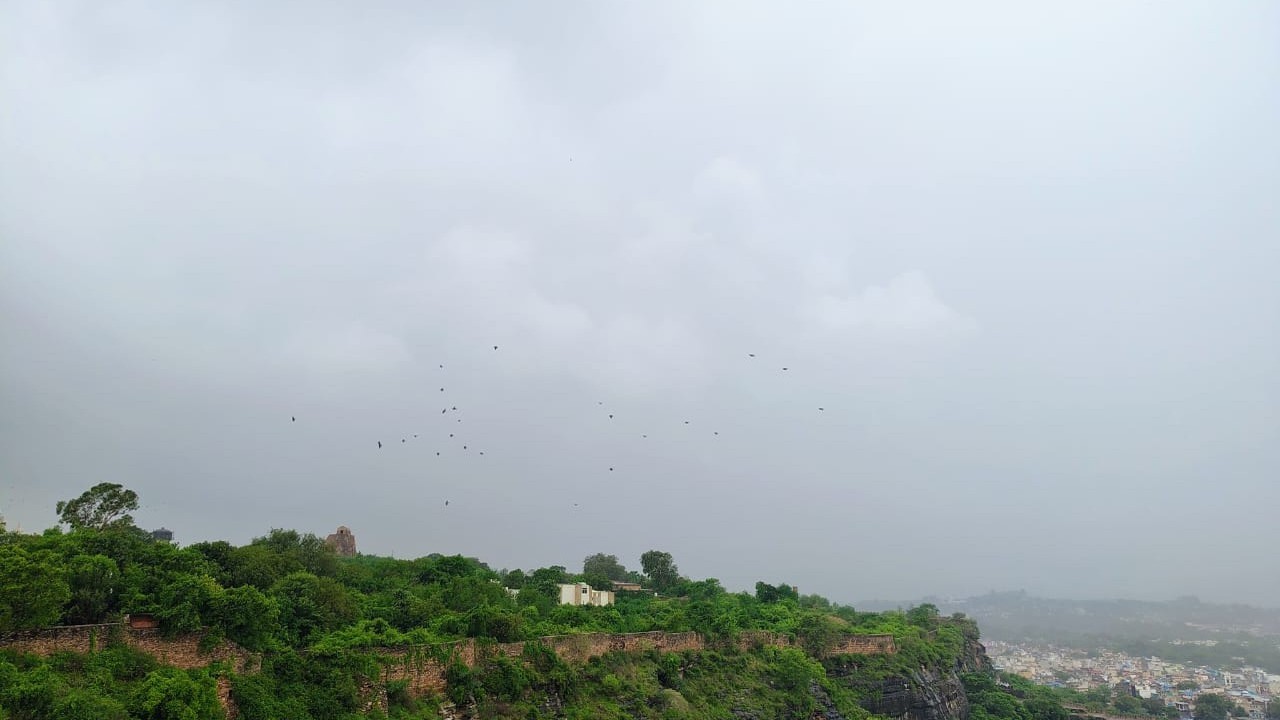
2. Use Your Local Environment: the most successful projects are often rooted in local conditions. The Scindia School built its programme around the challenges and opportunities presented by its fort campus, water systems and native ecosystem. Other schools should do the same by identifying environmental issues that are relevant to their own setting.
3. Create Opportunities for Student Leadership: students play a leading role in decision-making, research and implementation. Giving students responsibility has been critical to the project’s success and helps ensure learning extends beyond individual lessons.
4. Look Beyond Science: the Biosphere Project demonstrates how sustainability initiatives can support learning across multiple subjects. Whether calculating water volume, analysing data, investigating local habitats or conducting field research, environmental projects can create authentic learning opportunities throughout the curriculum.
5. Think Long Term: the school began this work in 2020 and continues to develop the project each year. Building a culture of sustainability takes time, but starting with manageable projects can create lasting change.
Conclusion
The Biosphere Project has become an integral part of life at The Scindia School. By using its campus as a living laboratory, the school has created a practical framework for student-led environmental learning that can be adapted to different settings and scales. The key lesson for other schools is to start with a local challenge, involve students in finding solutions, and allow the initiative to grow over time.