
Case Study: Fostering Inventiveness – The First Salem Hackathon “Lovable × Salem”
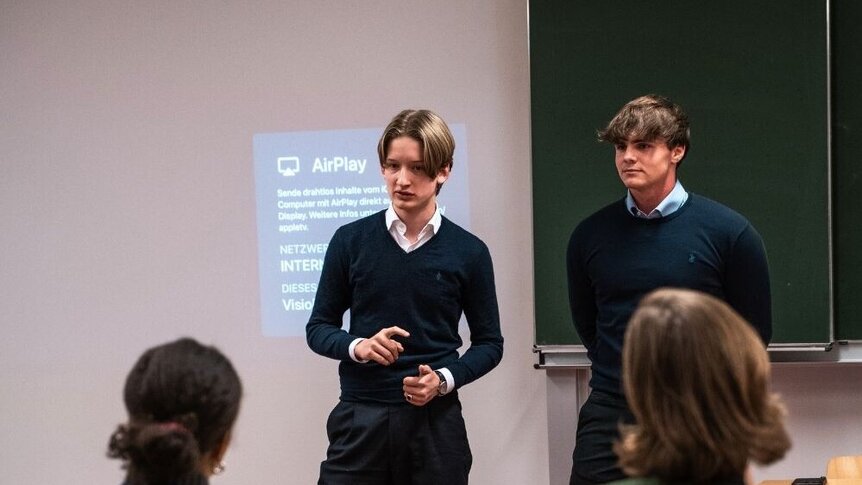
In an ambitious pilot project, Schule Schloss Salem partnered with the AI platform Lovable, launching the inaugural “Lovable × Salem” Hackathon. Over two weeks, around 40 middle and high school students explored digital product development for the first time, turning inventive ideas into functioning prototypes with real-world relevance.
Challenge
The challenge was initiated as part of Salem’s commitment to holistic education that prepares students for a rapidly evolving digital world. It was to design a learning experience that allowed students to exercise inventiveness and teamwork while developing digital solutions, even without prior programming experience
Approach
Using Lovable, an AI-powered platform that enables intuitive web and app prototyping, students worked in teams to design, develop, and refine digital products. Supported by staff, alumni, and external experts, students were encouraged to identify everyday challenges and respond with inventive, practical solutions
Implementation
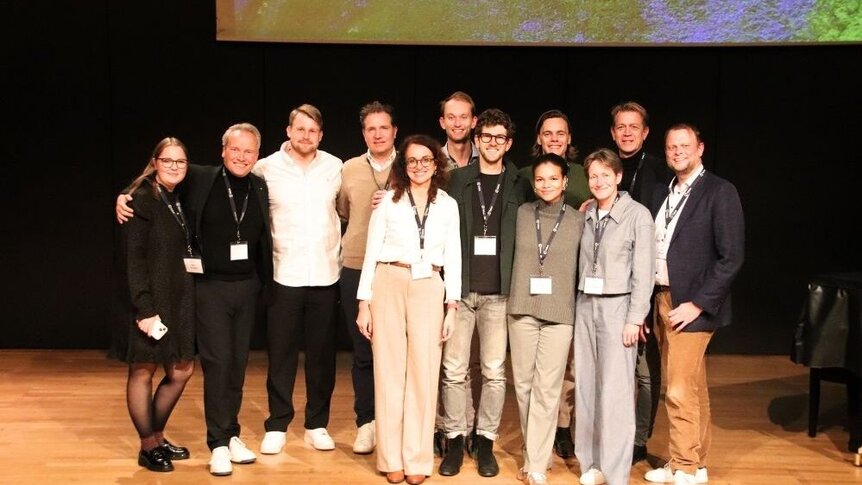
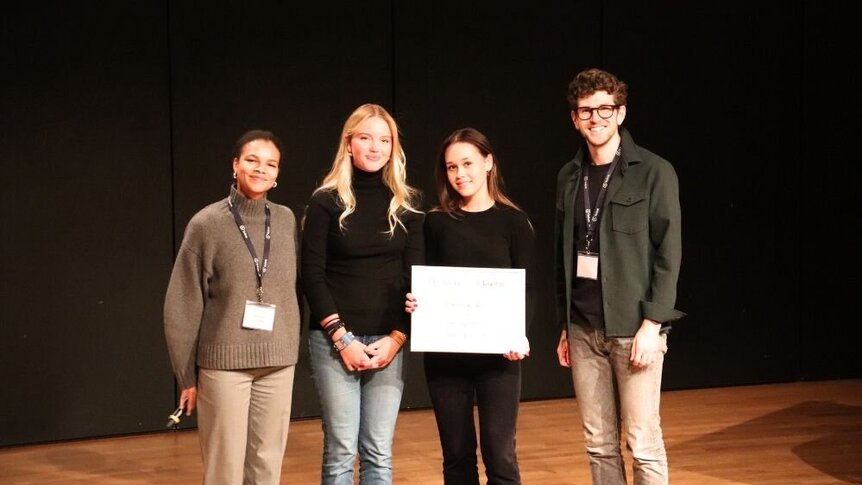
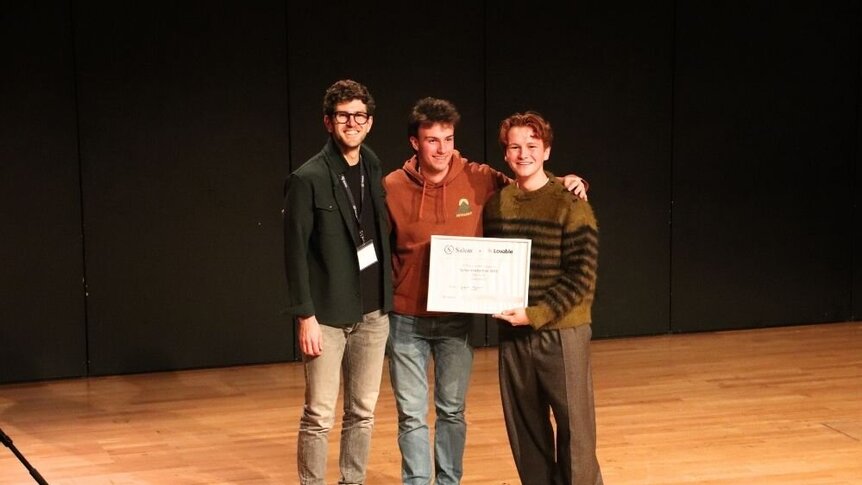
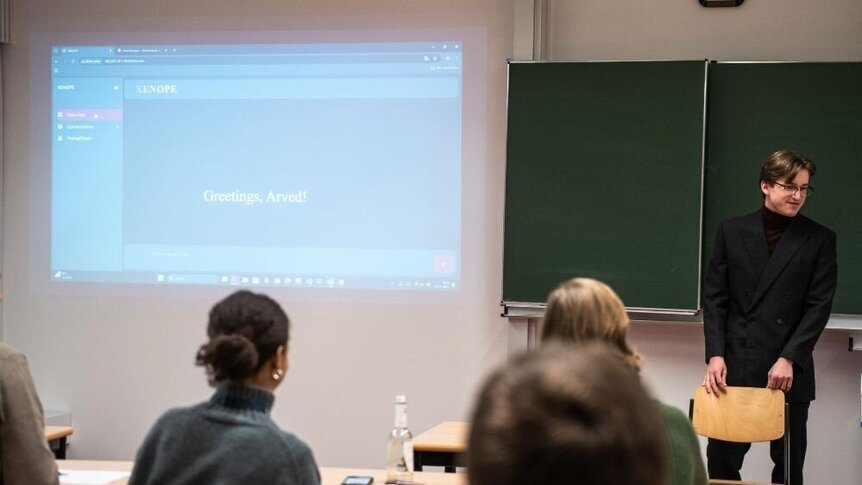
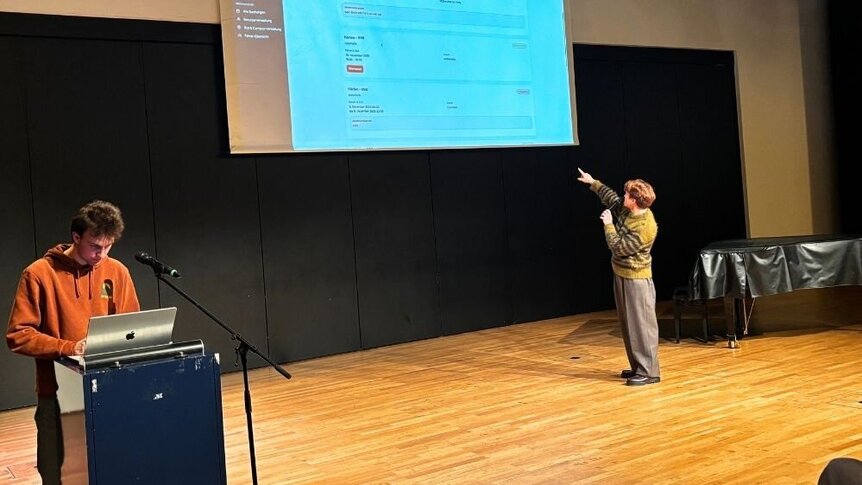
Students experimented with ideas, features, and formats, learning through iteration and collaboration. The process culminated in a final showcase, where the seven strongest projects were presented to a multidisciplinary jury from business, law, and technology.
For many students, the challenge lay not only in generating ideas but in turning them into something workable. Tamme (Year 9) reflected:
“Our biggest challenge was turning a complex concept into a simplified, working prototype. Overcoming the technical roadblocks as a team and finally seeing the website run was the most rewarding part of the experience.”
Key Projects and Outcomes
Among the middle school teams, the winning project was an app that brought together Salem’s sports activities, results, and teams in one accessible place. In the upper school, S-Move impressed the jury with its immediate practical value: a booking system for the boarding school’s vehicle fleet that is already in everyday use.
Other teams explored equally inventive ideas. Emily (Year 10) described her team’s thinking:
“The most inventive idea our team explored was building a solution that could help support us and teach us something new. We designed a website that would allow middle and high school students to study niche topics, while also providing everything to keep a student’s life organised.”
She added that the focus was on usefulness rather than complexity:
“Instead of making something complicated, we focused on making something useful, easy to use and something people can learn from. We combined different skills in the team and turned the idea into a working prototype.”
For older students, inventiveness was closely linked to solving real problems from their own lives. Jan (Year 12) explained his team’s project:
“The most inventive idea my team explored was building Cerano Finance, a mobile-first finance app that combines everyday budgeting and investing into one clear interface.”
What made the experience particularly powerful was seeing an idea come to life:
“Within just a few weeks, we went from a simple conversation to a working app prototype with budgets, portfolios, and an AI finance coach. Seeing something we had imagined actually work on a screen made the whole Hackathon experience feel real and meaningful.”
Learning Through Teamwork
Working in teams proved to be a powerful driver of learning and inventiveness throughout the Hackathon. Students quickly discovered that collaboration led to stronger ideas and more thoughtful problem-solving than working alone.
Tamme (Year 9) reflected:
“Instead of rushing into technical implementation, we learned that taking the time to brainstorm as a team leads to much better problem solving.”
Emily (Year 10) noted that while combining different ideas could be challenging, listening, adapting, and building on each other’s suggestions ultimately produced more effective and creative solutions.
For older students, teamwork also sharpened focus and purpose. Jan (Year 12) explained how collaboration helped his team prioritise clarity and user needs over technical perfection, while using AI tools to increase efficiency. The shared responsibility and time pressure encouraged trust, quick decision-making, and a deeper awareness of the user’s perspective.
Reflections
Patrik Birkle, Salem alumnus and project manager, highlighted the creative energy of the students and the strength of cross-generational collaboration: “I hope that they have understood how versatile AI can be used – far beyond writing homework. You can use it to develop really great products. They should also get a basic feel for how websites are structured and how to convey messages intelligently in a digital way. And most importantly, how to work together as a team on a digital product. Teamwork is more challenging than tinkering alone – but it opens up much greater possibilities.”
Impact
The hackathon had a clear and lasting impact on students’ confidence, creativity, and learning, demonstrating how inventiveness thrives when ideas are turned into action.
- Strengthened inventive thinking and technological competence
- Encouraged collaboration and creative problem-solving
- Developed confidence in using AI as a purposeful tool
- Enabled students to turn ideas into tangible, working solutions
The “Lovable × Salem” Hackathon demonstrated how inventiveness can be nurtured through hands-on, collaborative learning. By transforming ideas into real digital products in just two weeks, Salem empowered students to think creatively, work purposefully, and engage confidently with the technologies shaping their future.
Four things to consider if you are inspired by this story:
- Lower the technical barrier
Choose tools that allow students to focus on ideas and problem-solving rather than coding expertise. AI-supported platforms can help students move quickly from concept to prototype and keep inventiveness at the centre of the experience. - Anchor projects in real needs
Encourage students to identify challenges from their own school or daily lives. When ideas are rooted in authentic problems, motivation increases and outcomes are more meaningful. - Design for teamwork and iteration
Build in time and structures for collaboration, brainstorming, testing, and refining ideas. Inventiveness thrives when students are given space to experiment, adapt, and learn from setbacks together. - Celebrate process as well as product
Create opportunities for students to present their thinking, reflect on their learning, and share their journey, not just the final outcome. This reinforces confidence, creativity, and a growth mindset.