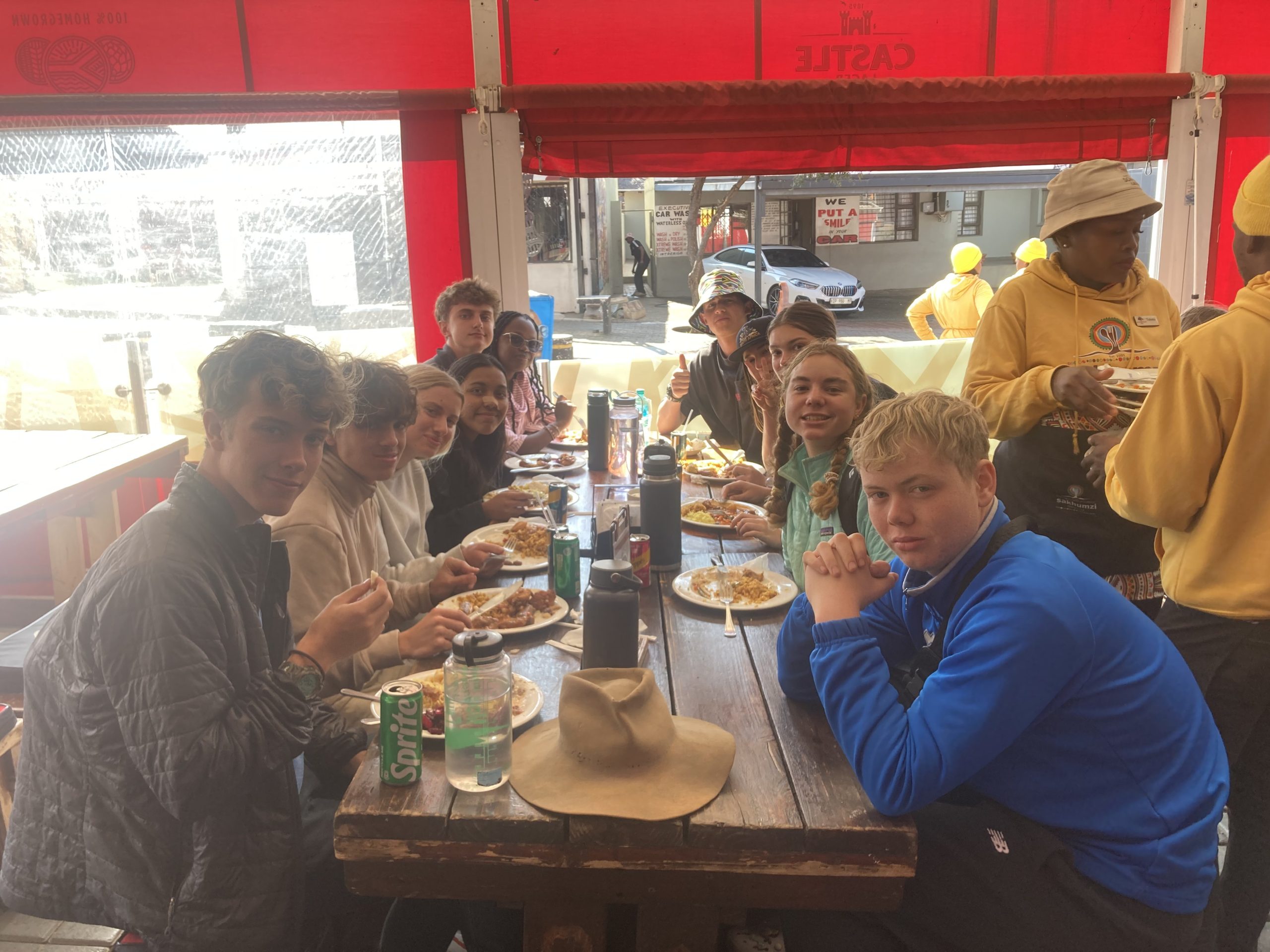
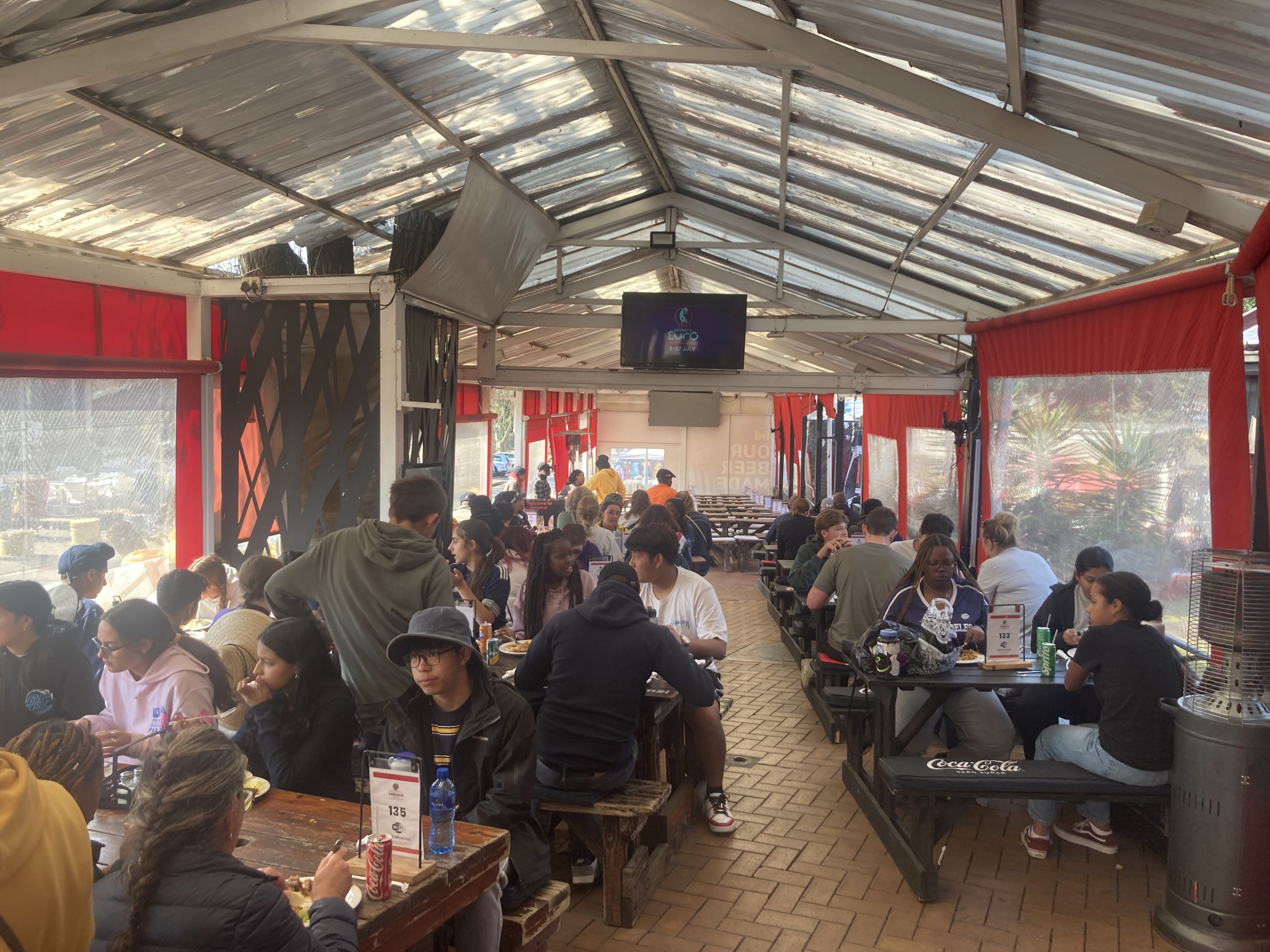
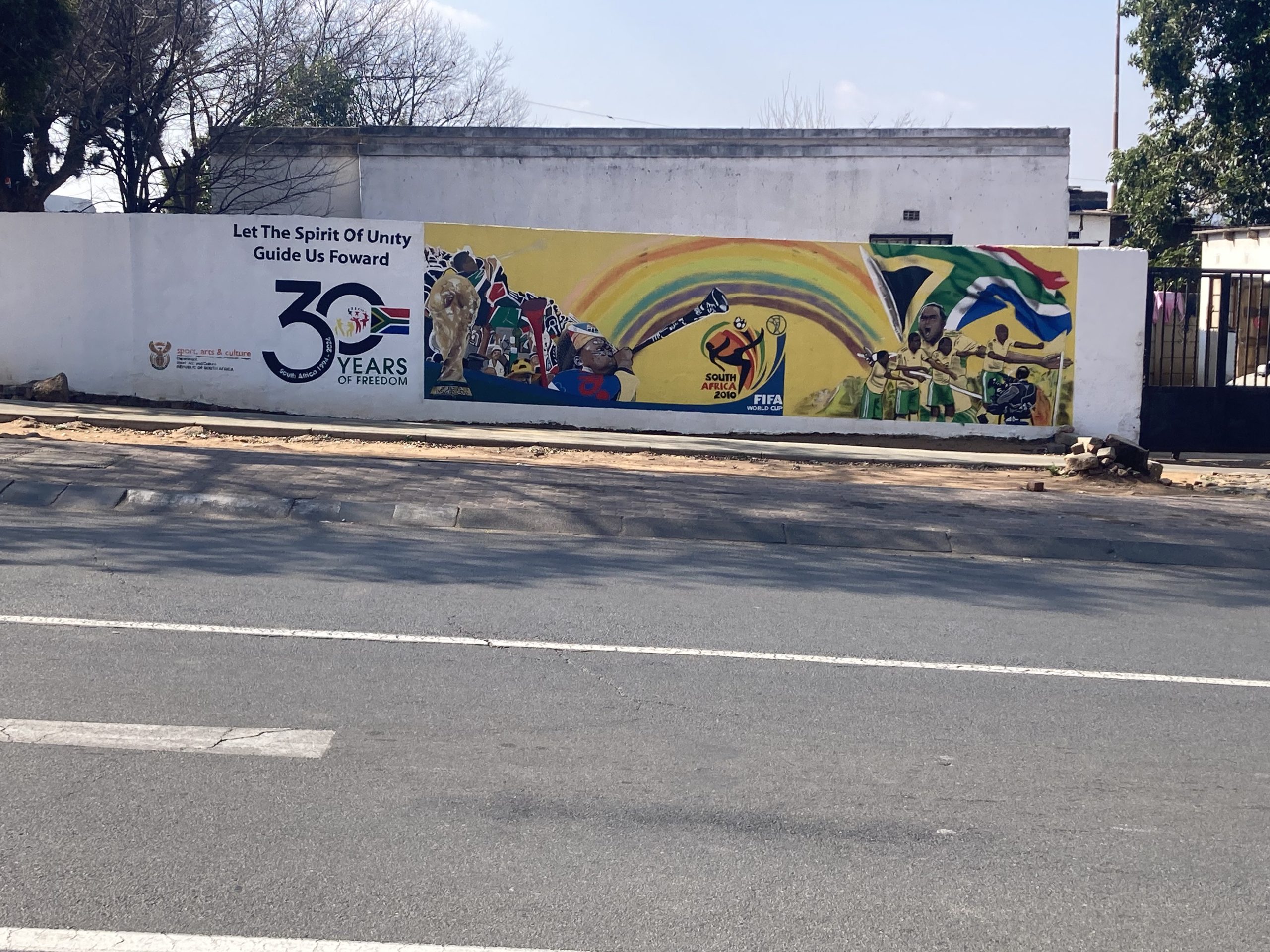
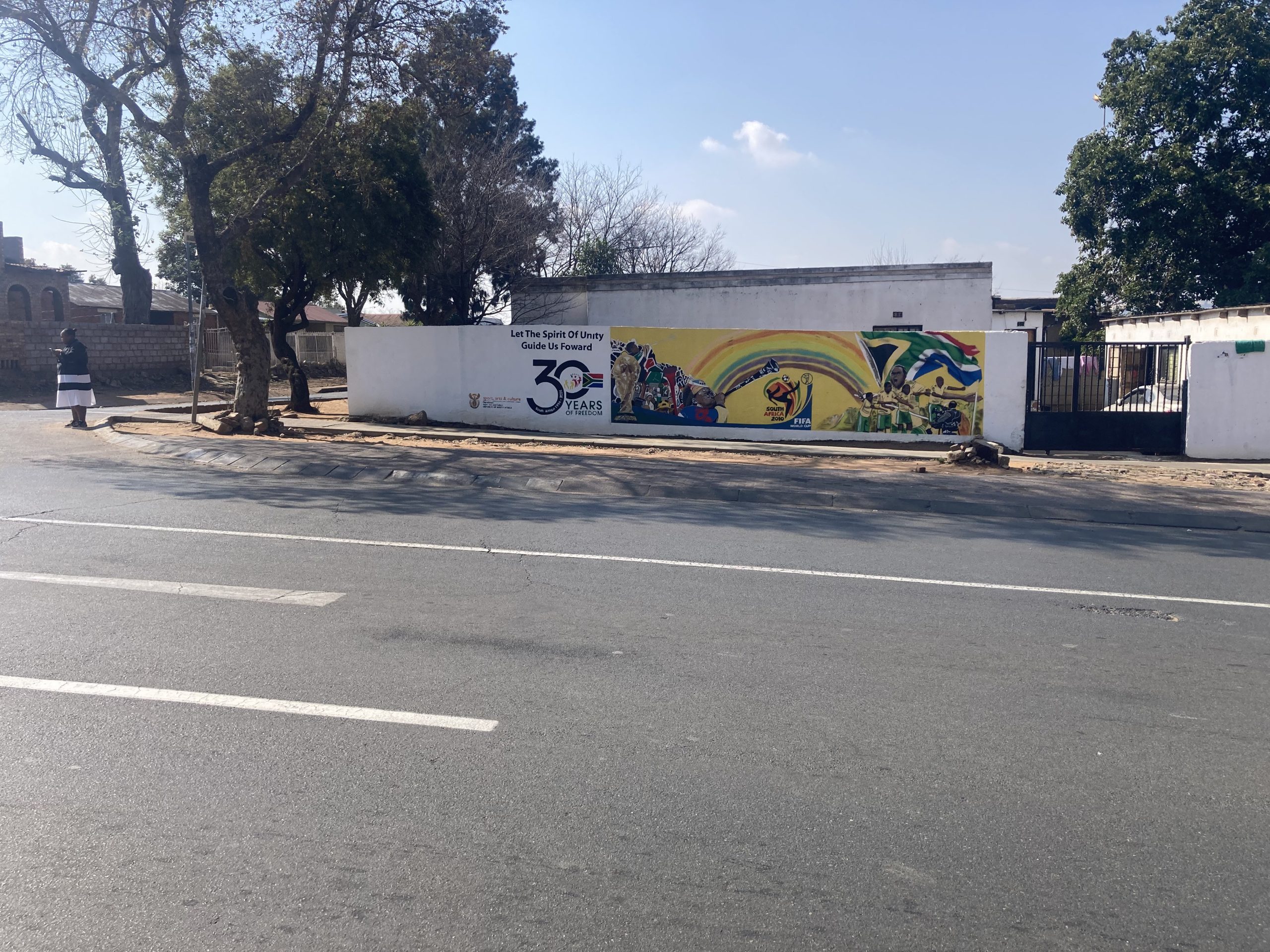
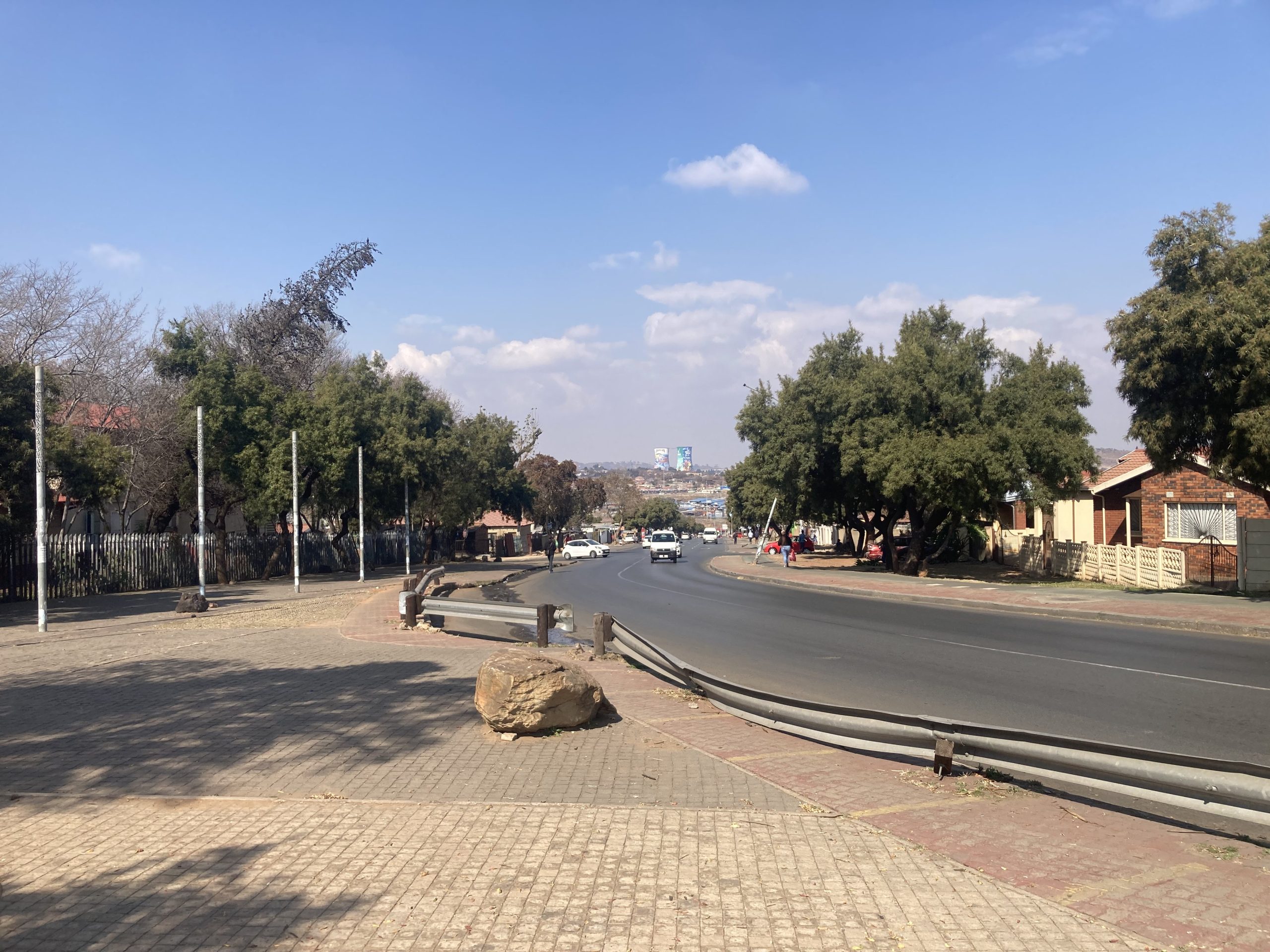
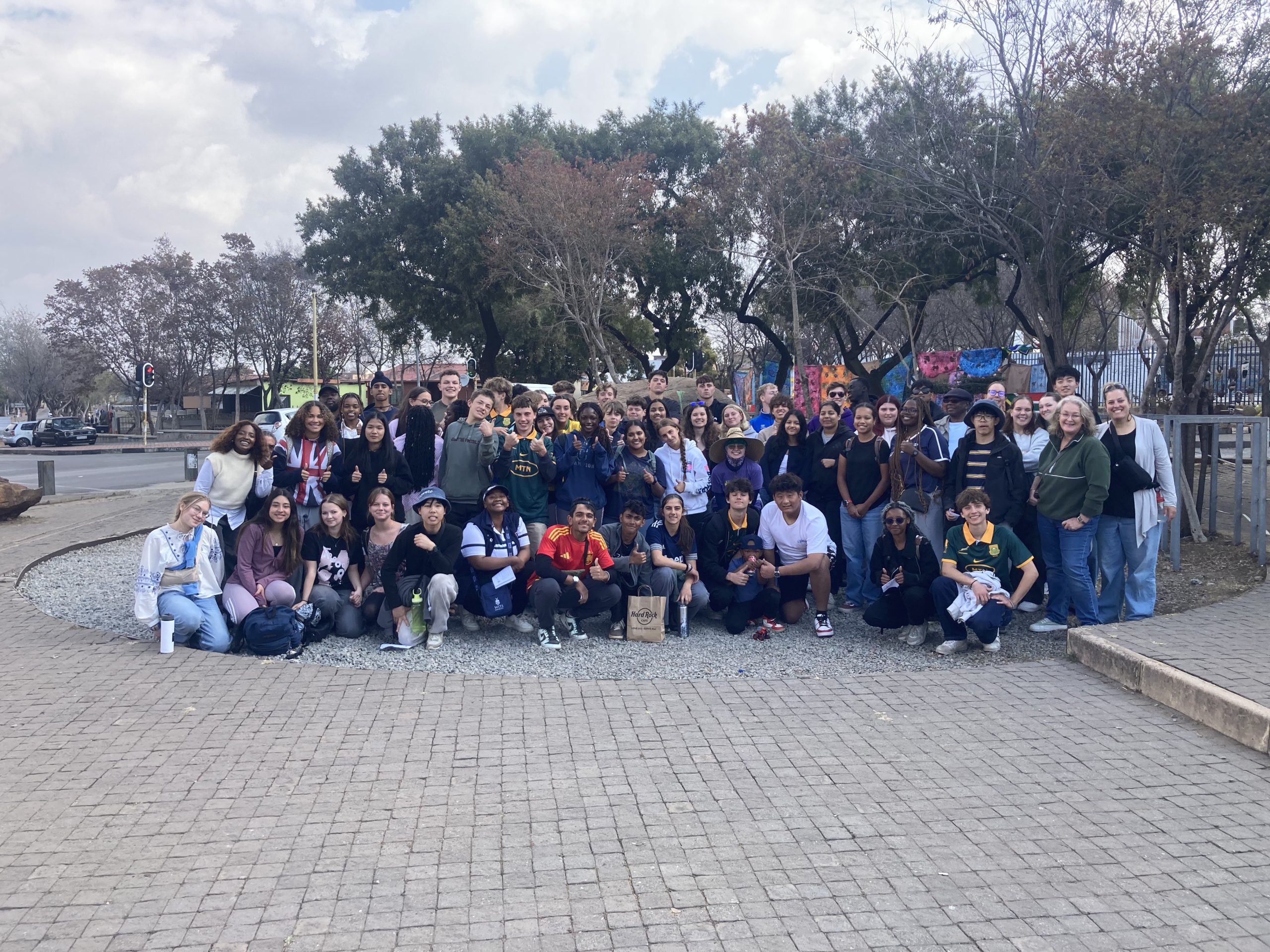
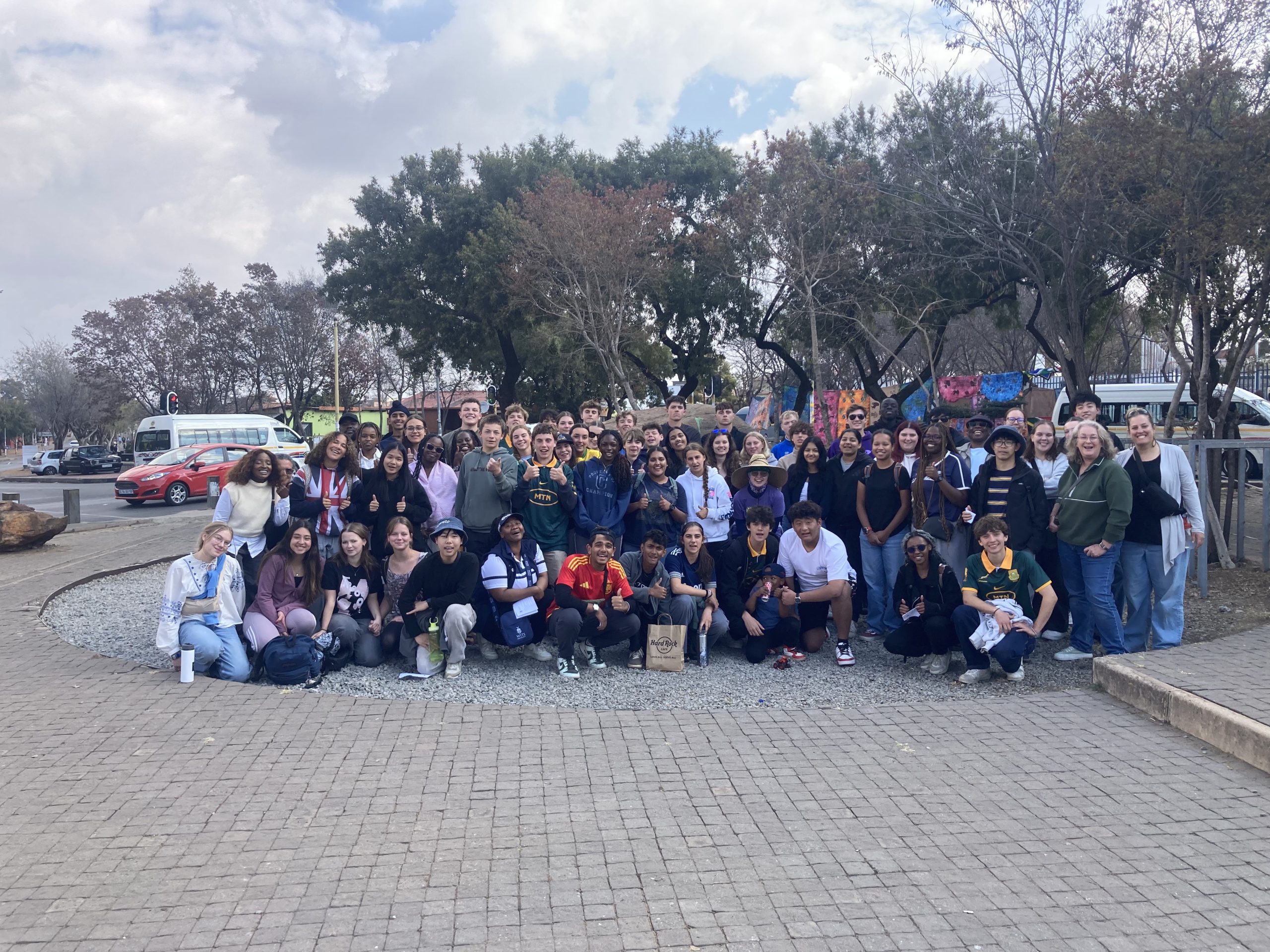
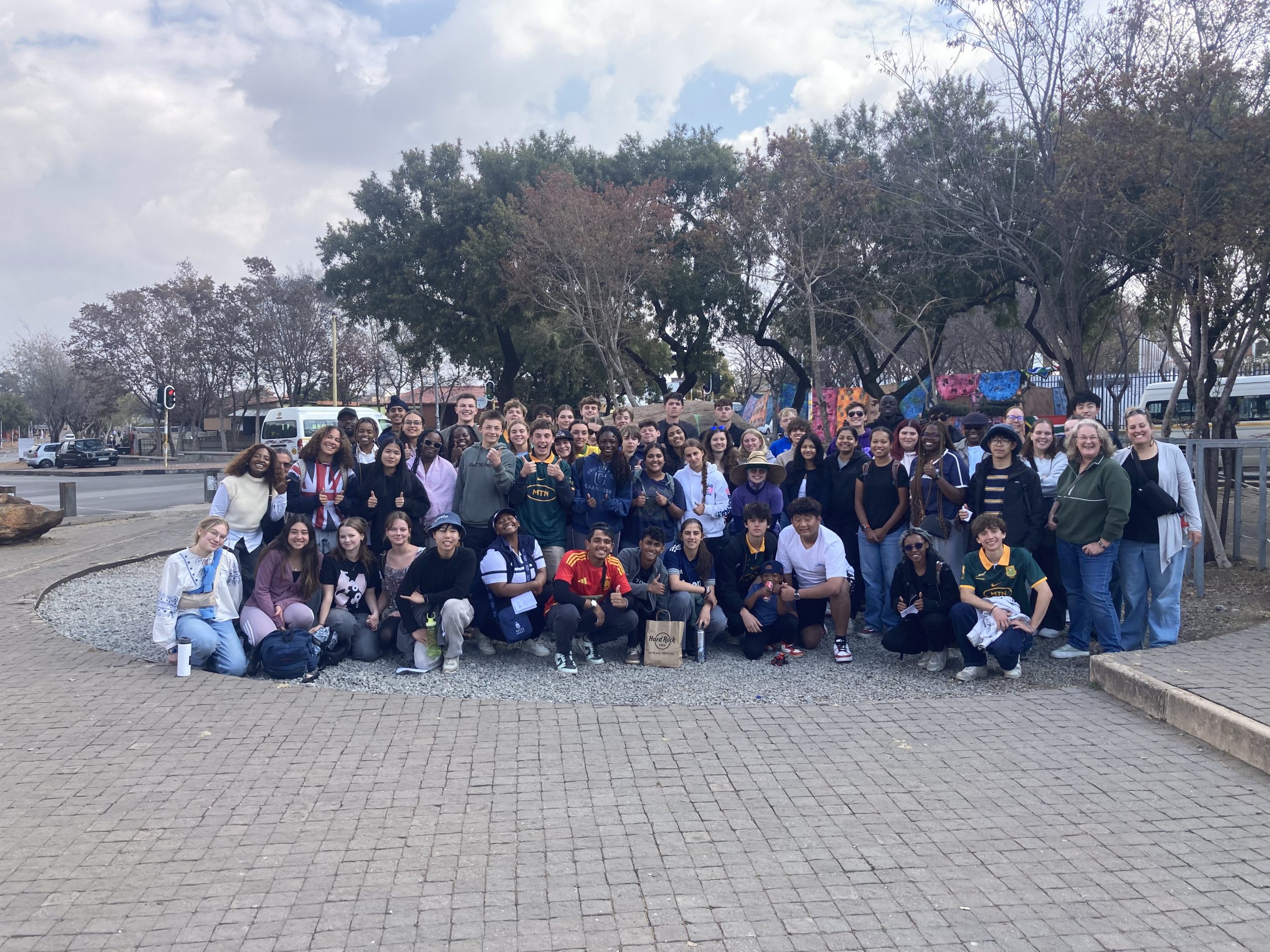
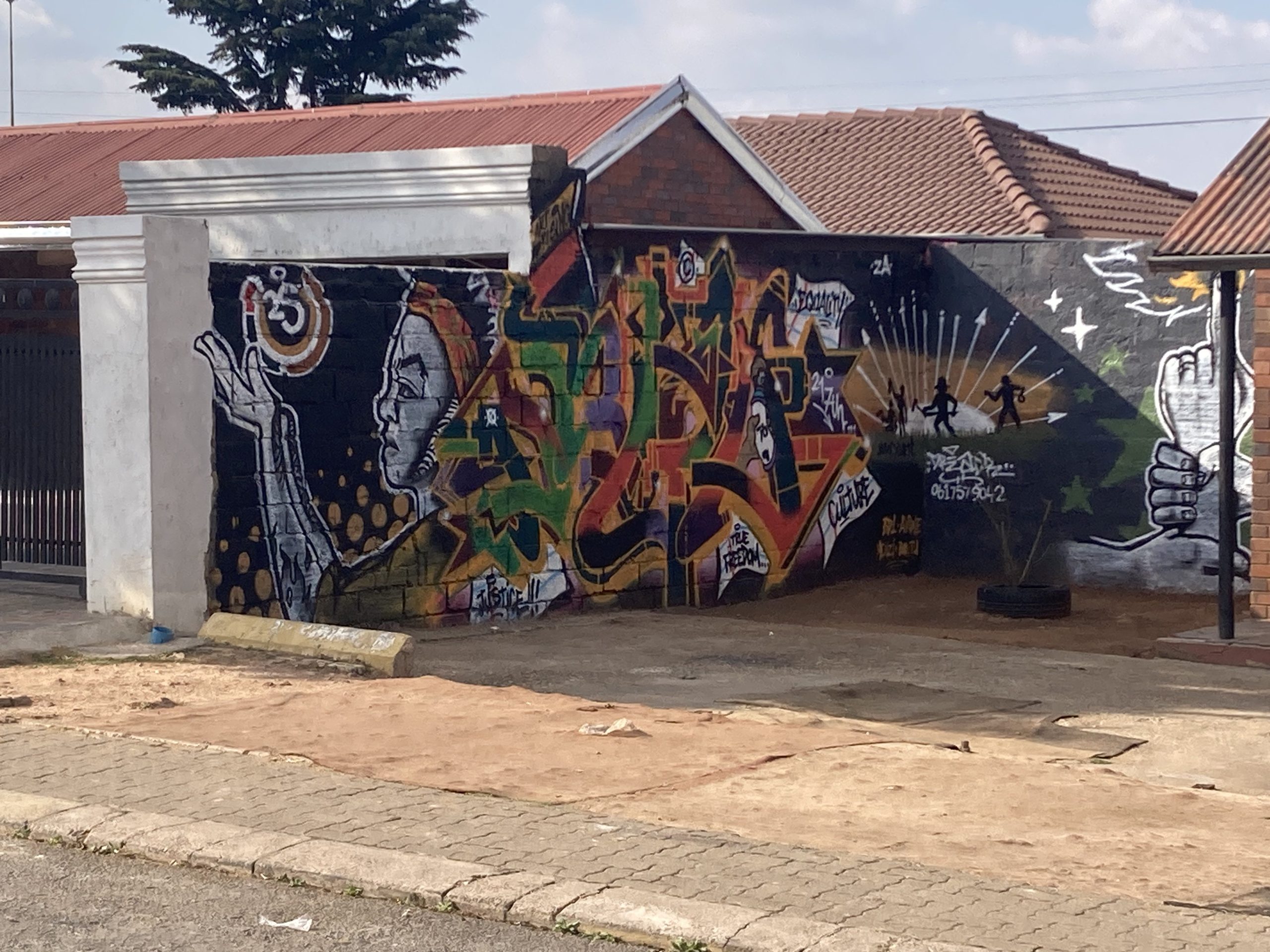
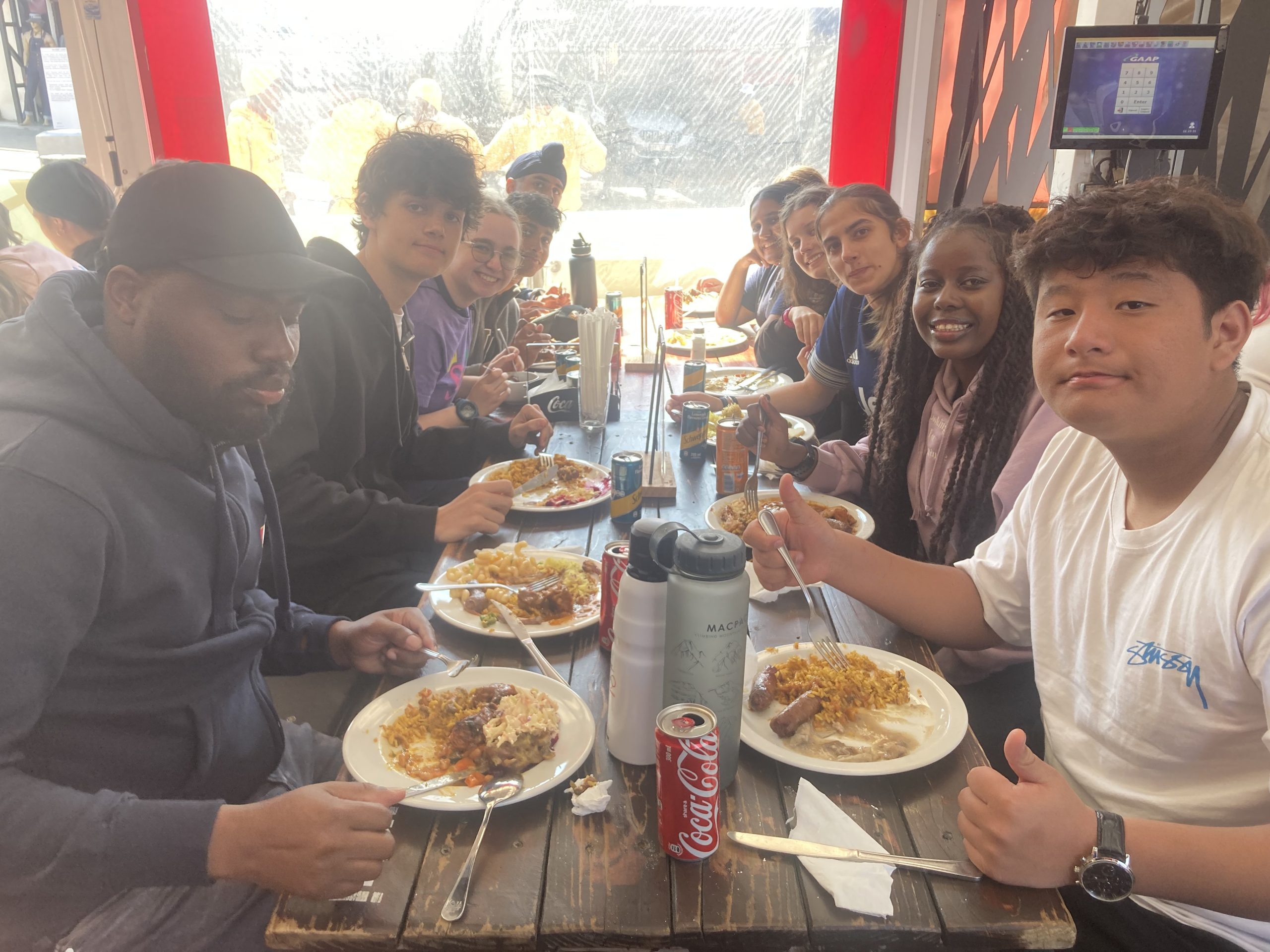
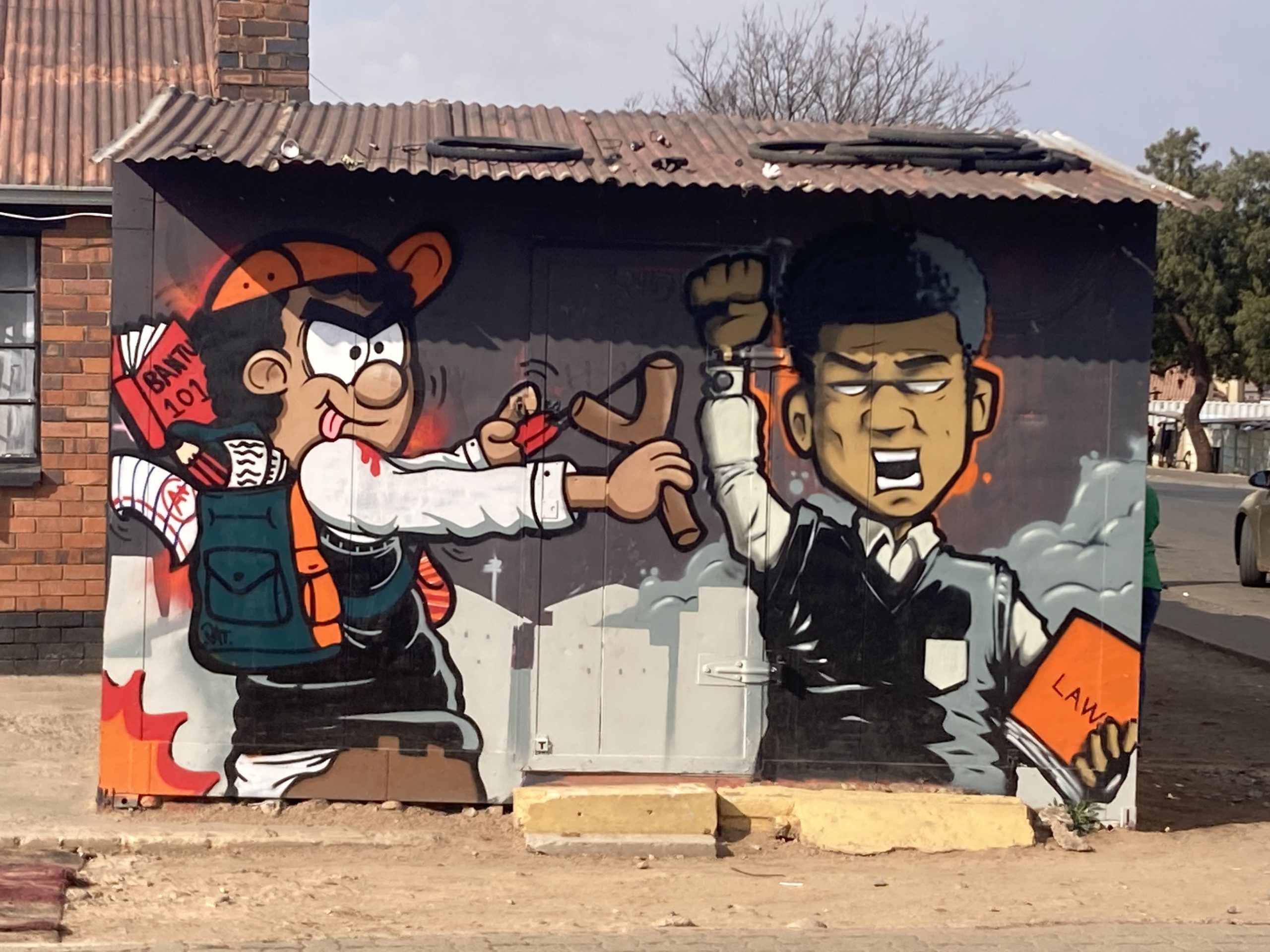
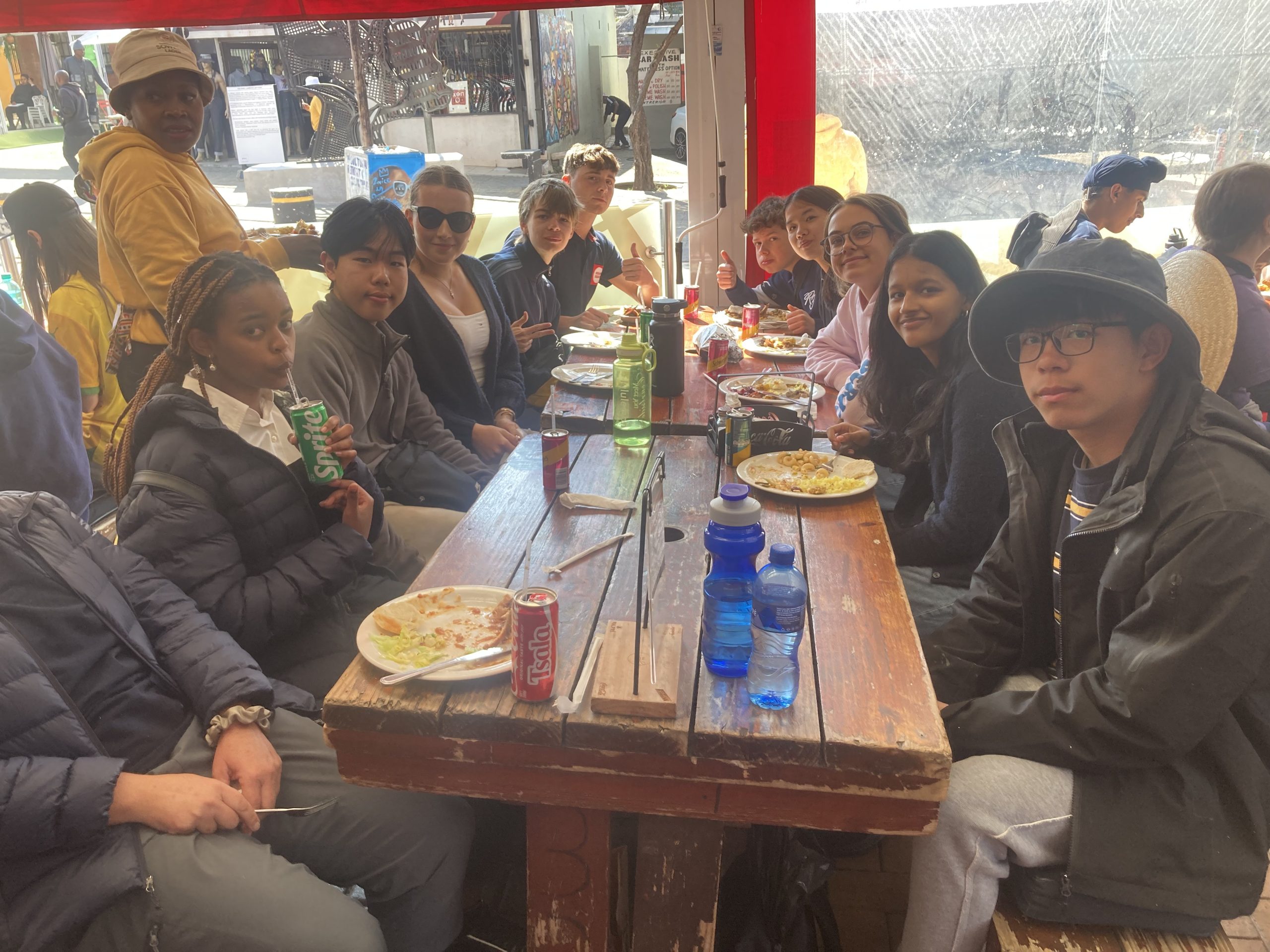
Updated: Today’s wake up was at 4am as it was time to leave Tiger Kloof after this amazing experience. We all went on our respective buses and left for Soweto in the suburbs of Johannesburg at 5am. Our objective was to arrive there at 10:30 to meet up with a few staff and students of St Stithians Girls’ College. Upon our arrival in Soweto, we visited the famous Vilakazi street where Nelson Mandela as well as Archbishop Desmond Tutu lived for a period of their lives. There we did a bit of shopping and went to meet the staff and students of St Stithians Girls’ College at a restaurant nearby.
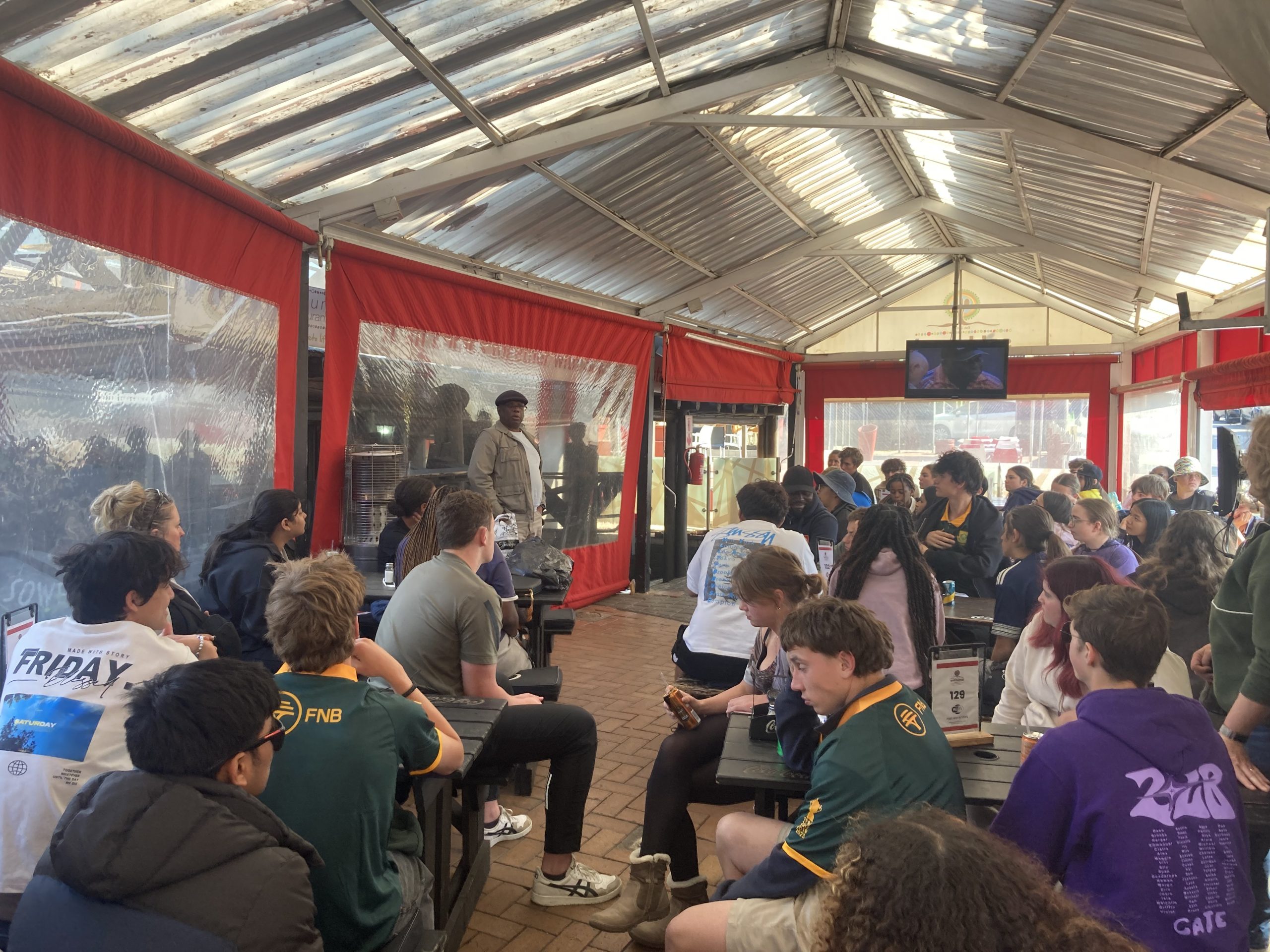
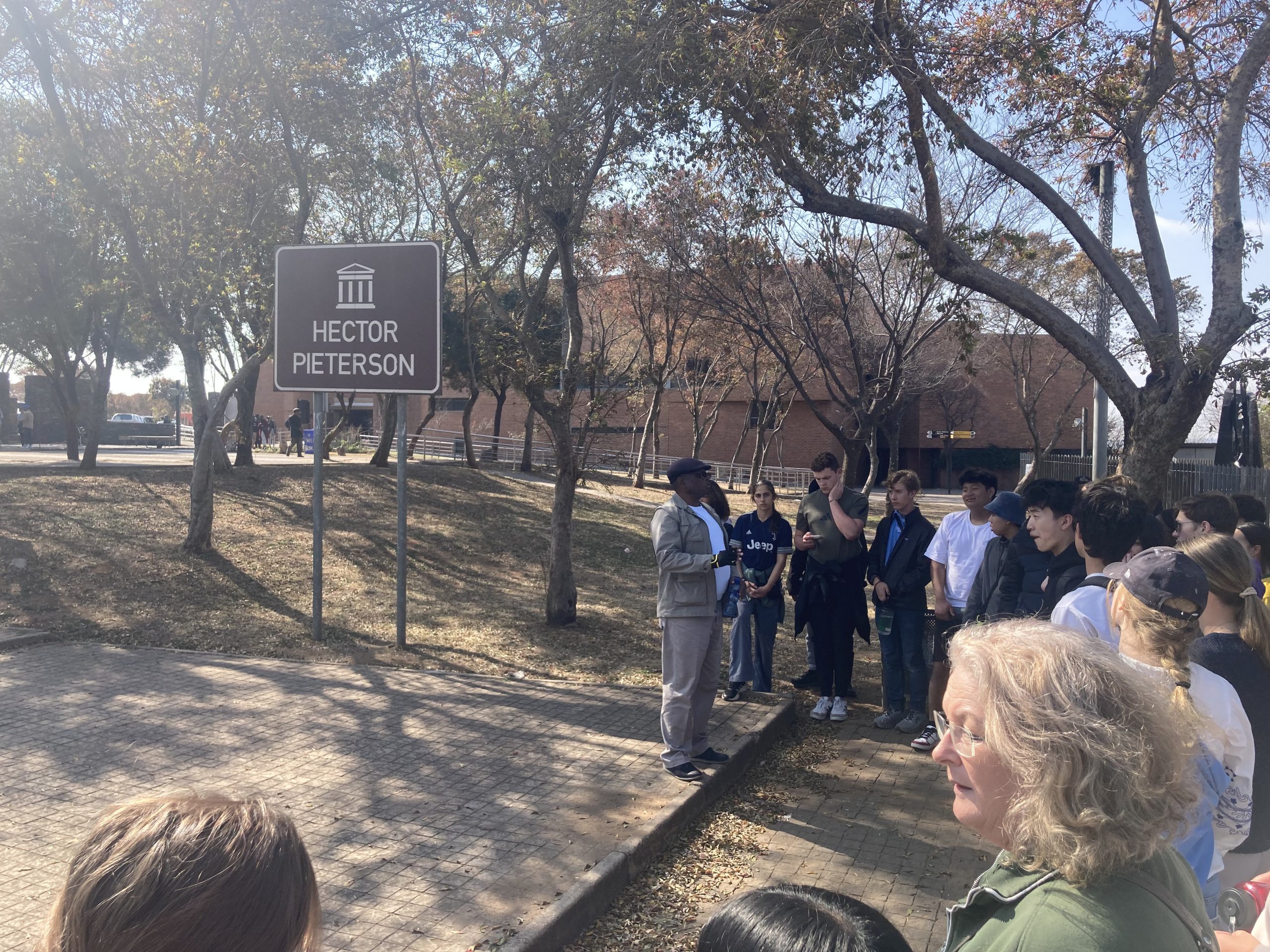
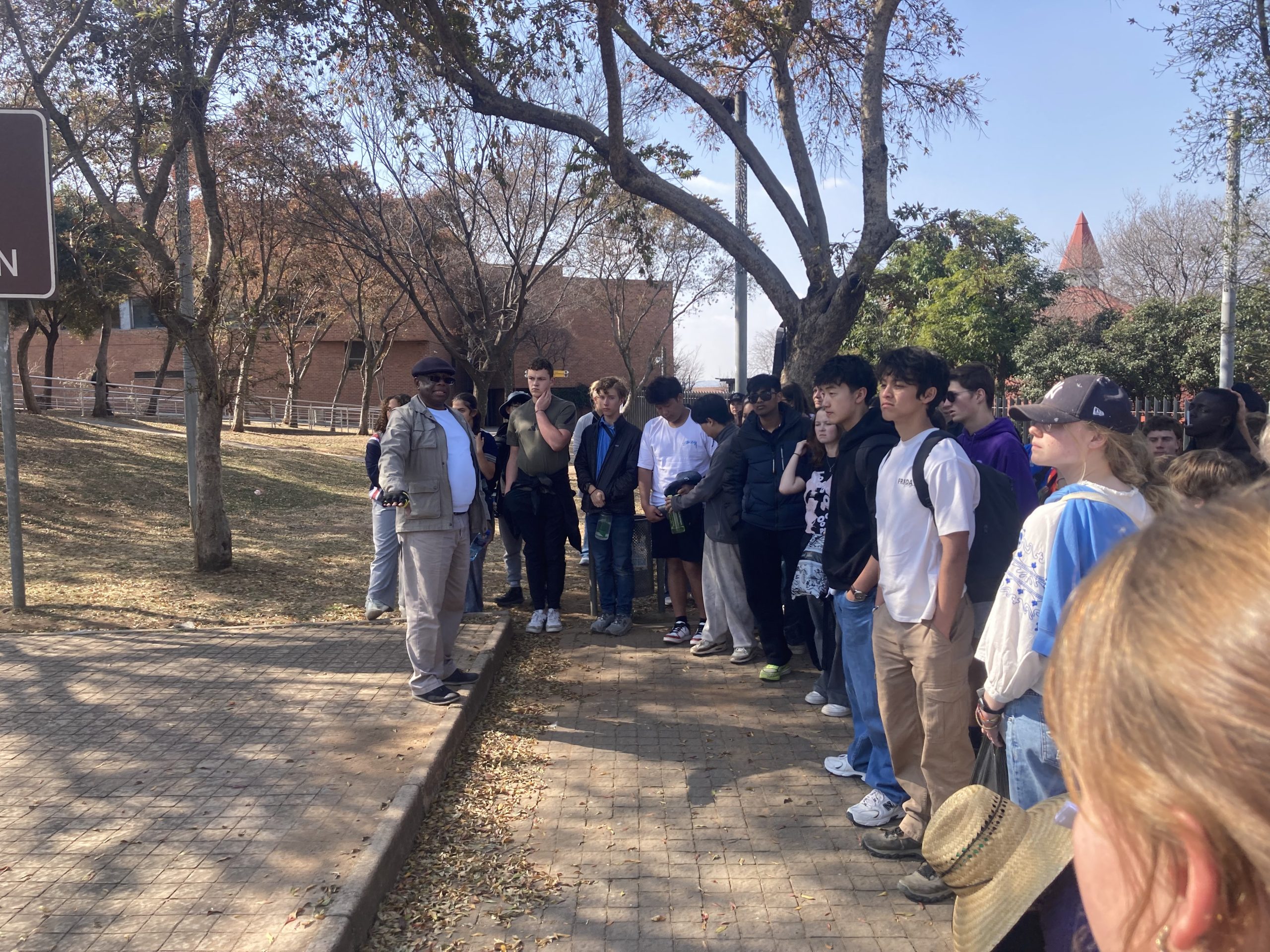
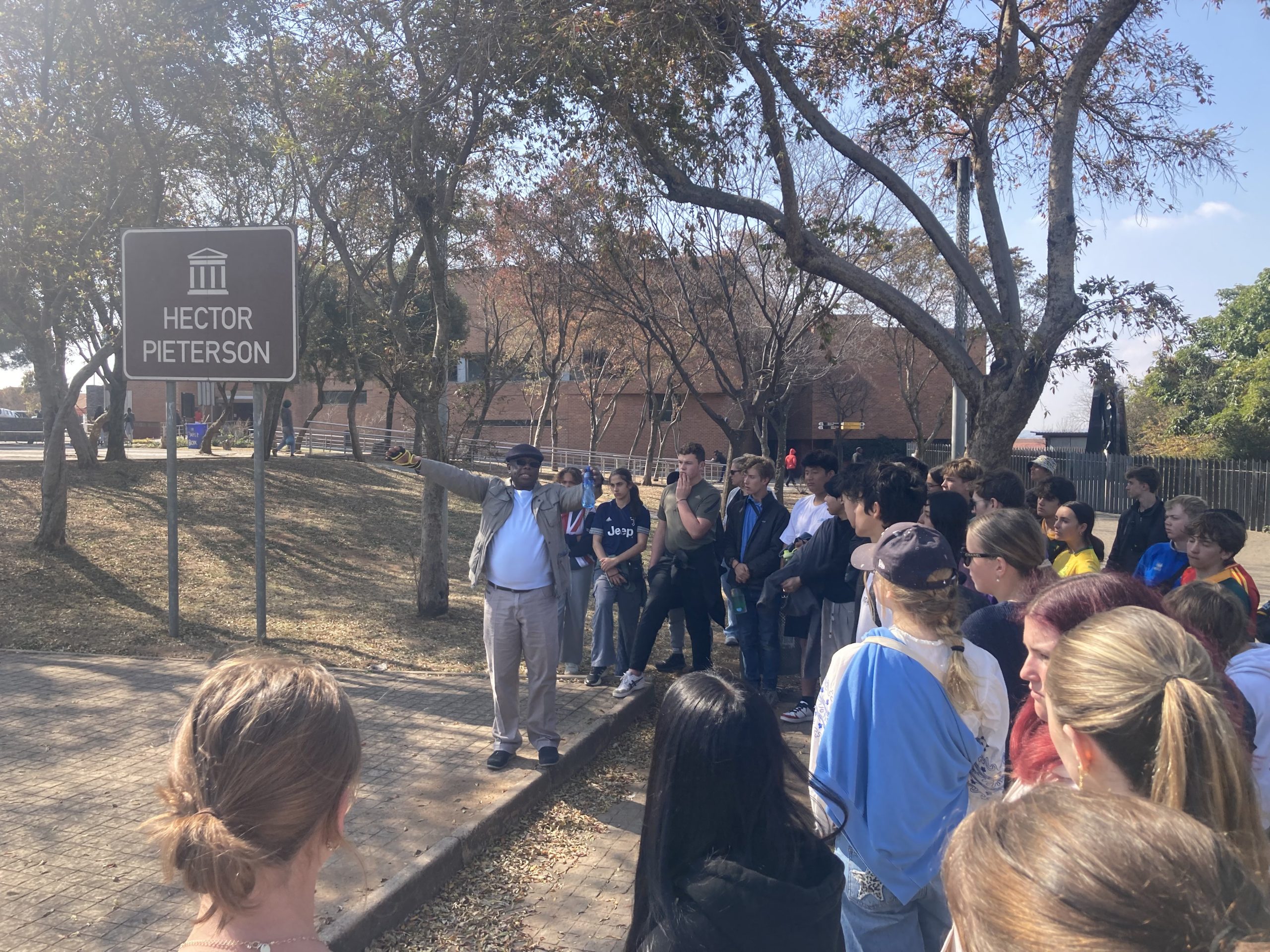
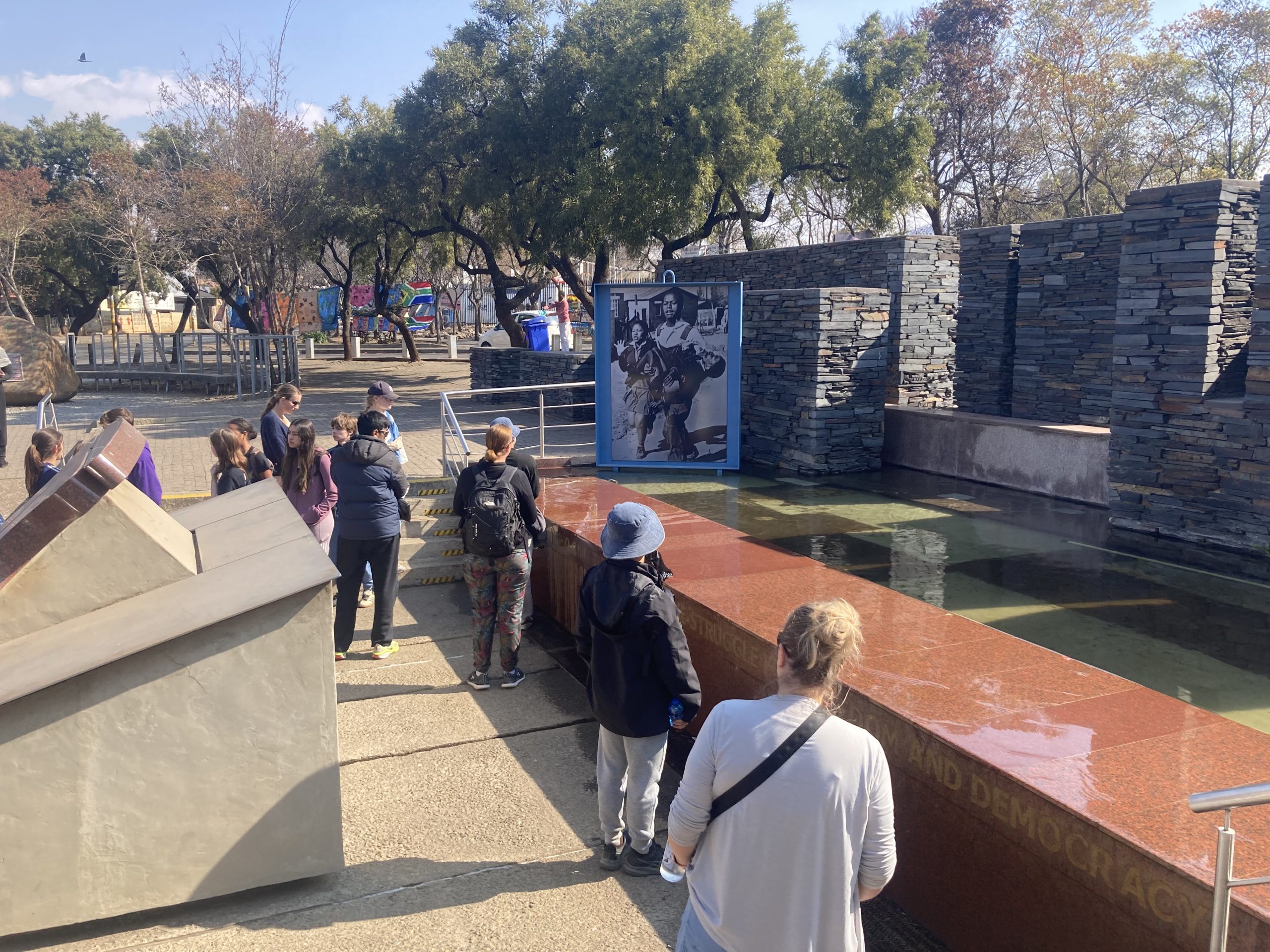
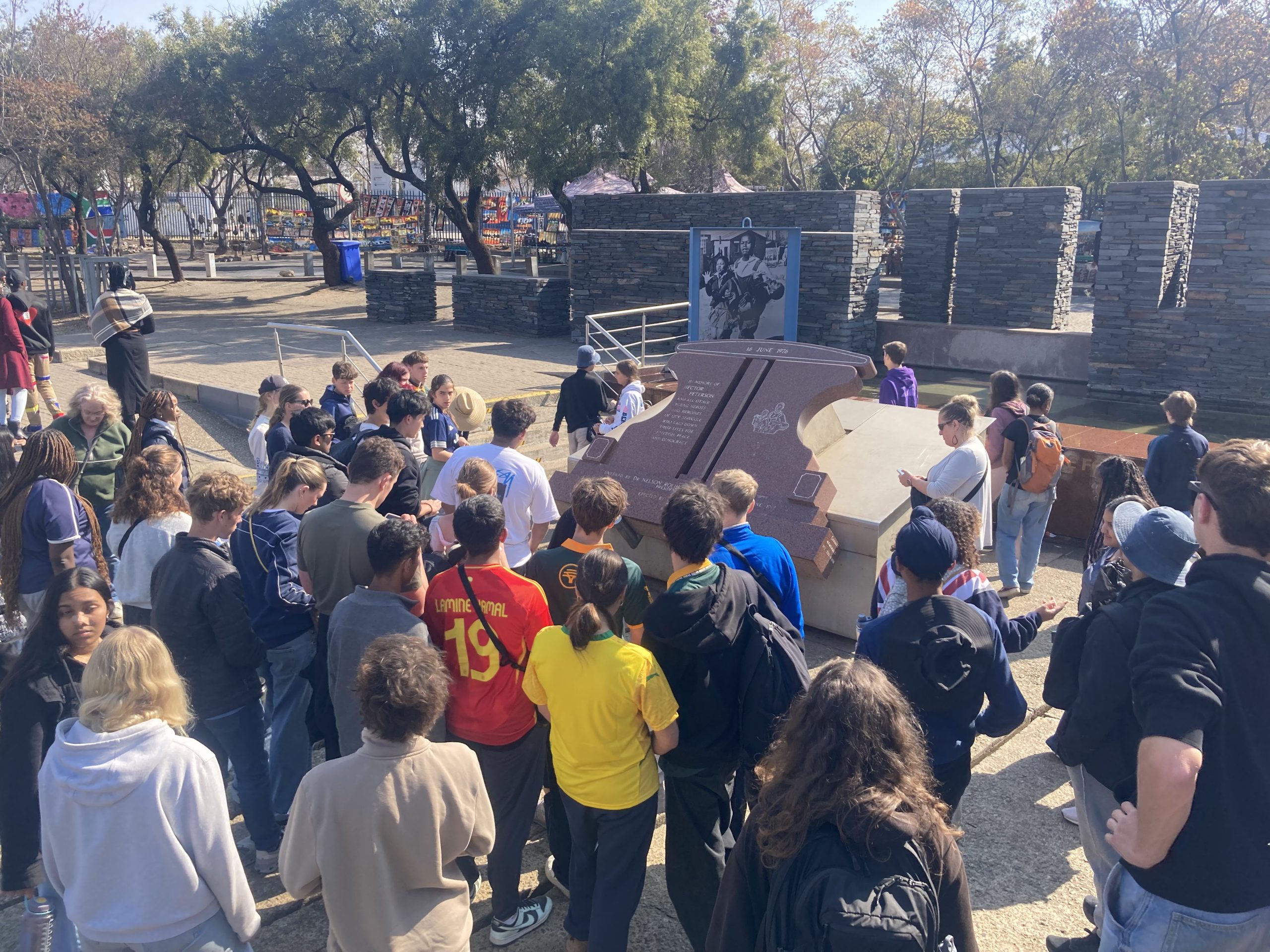
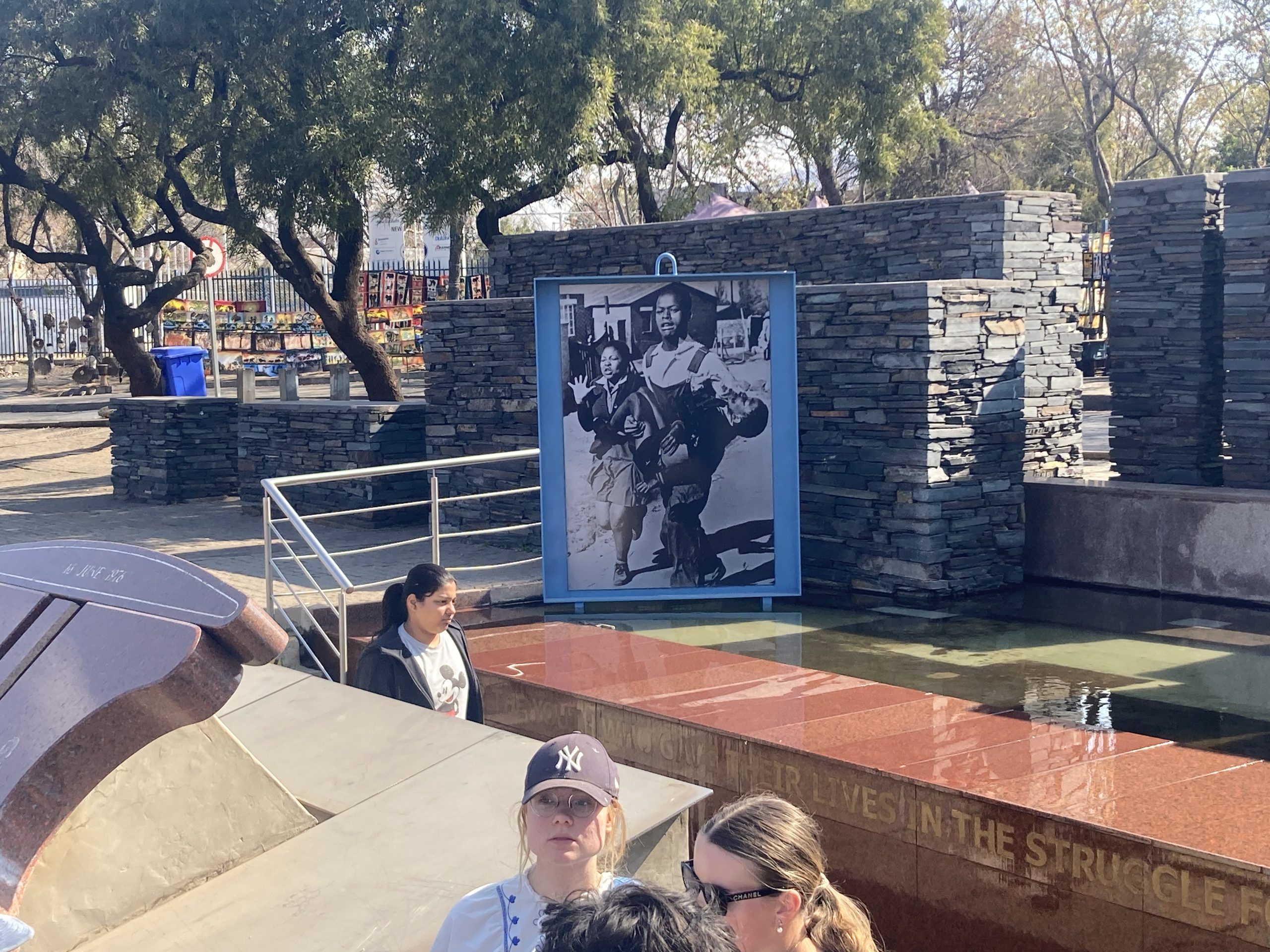
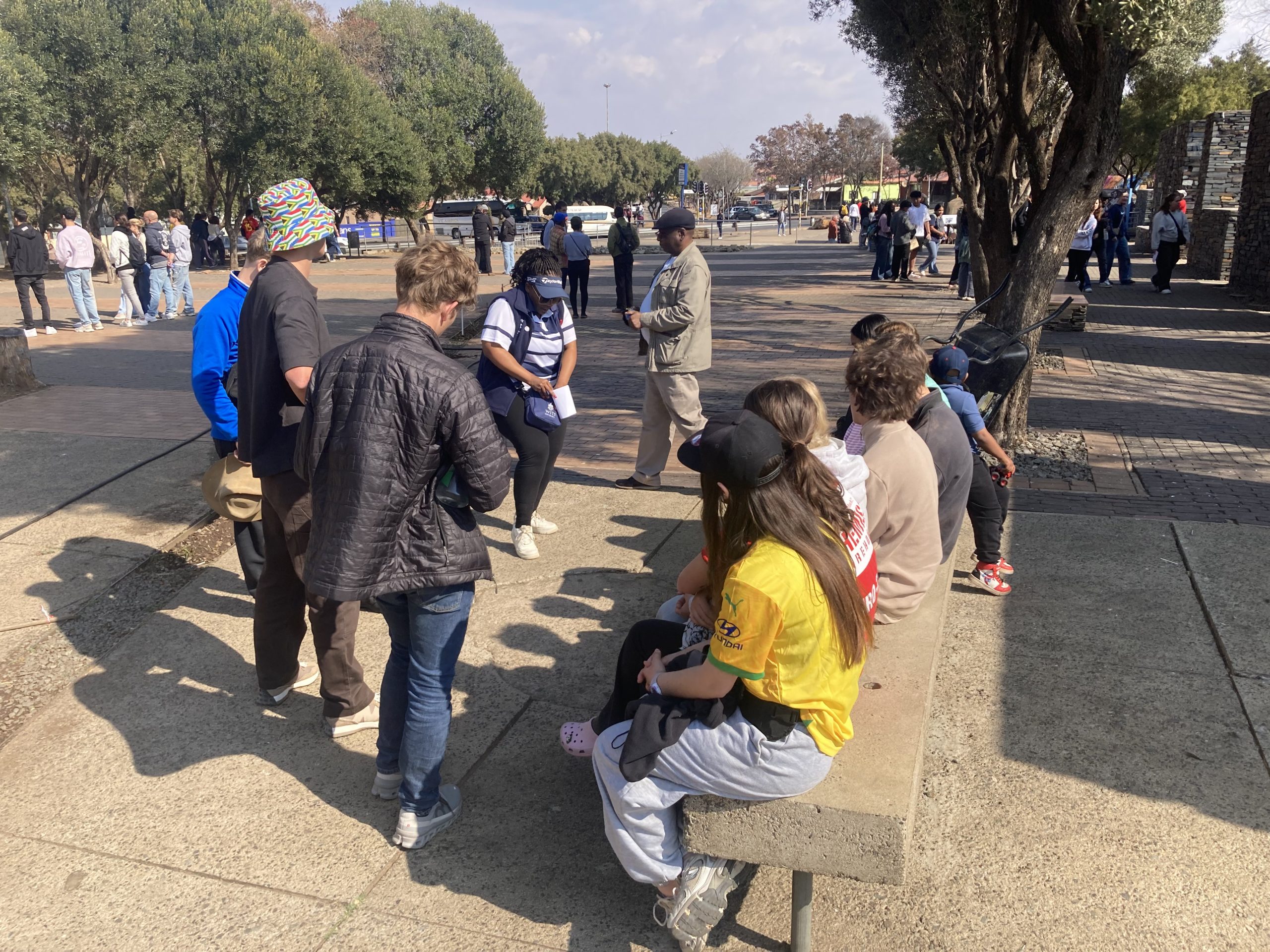
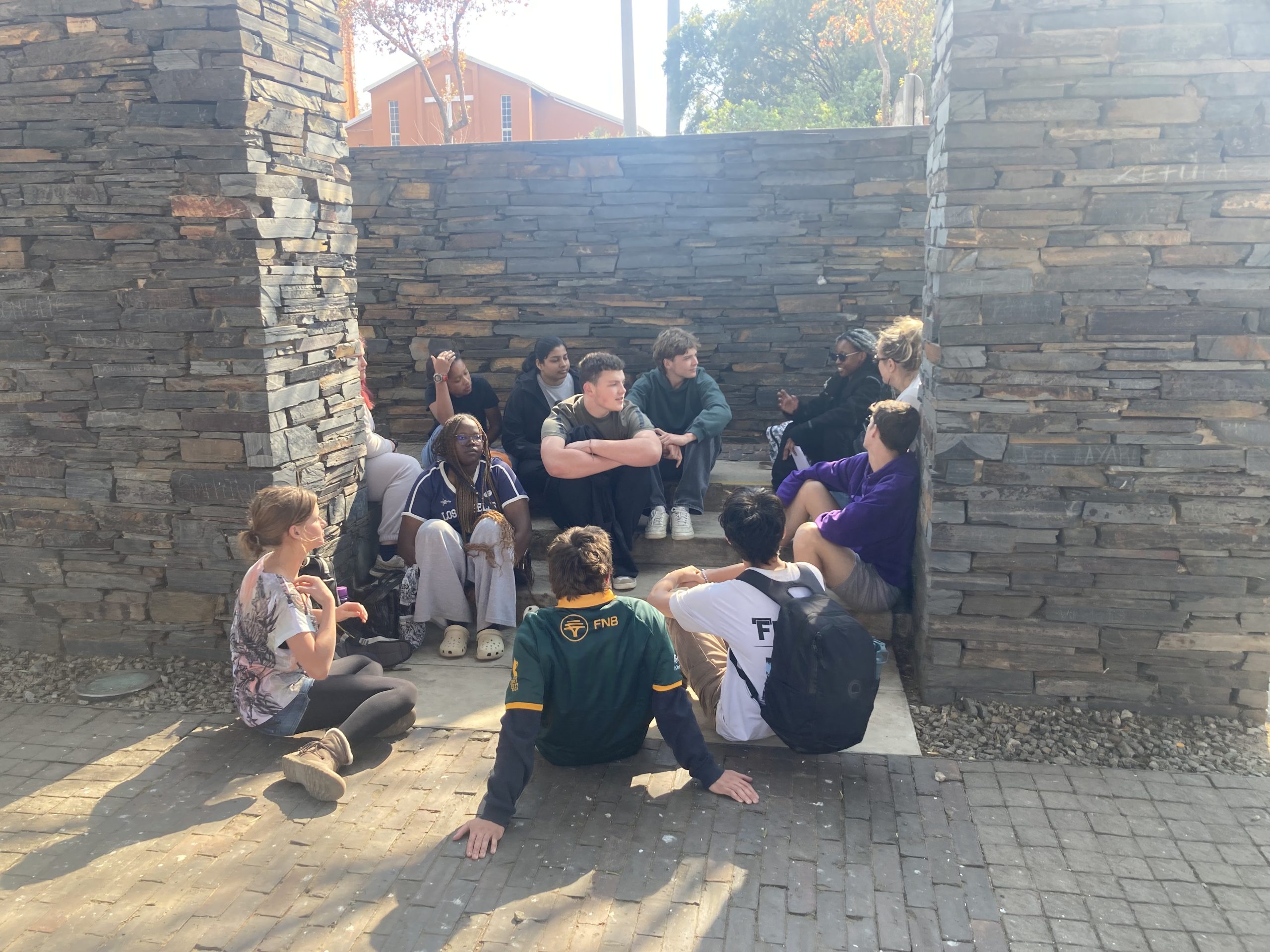
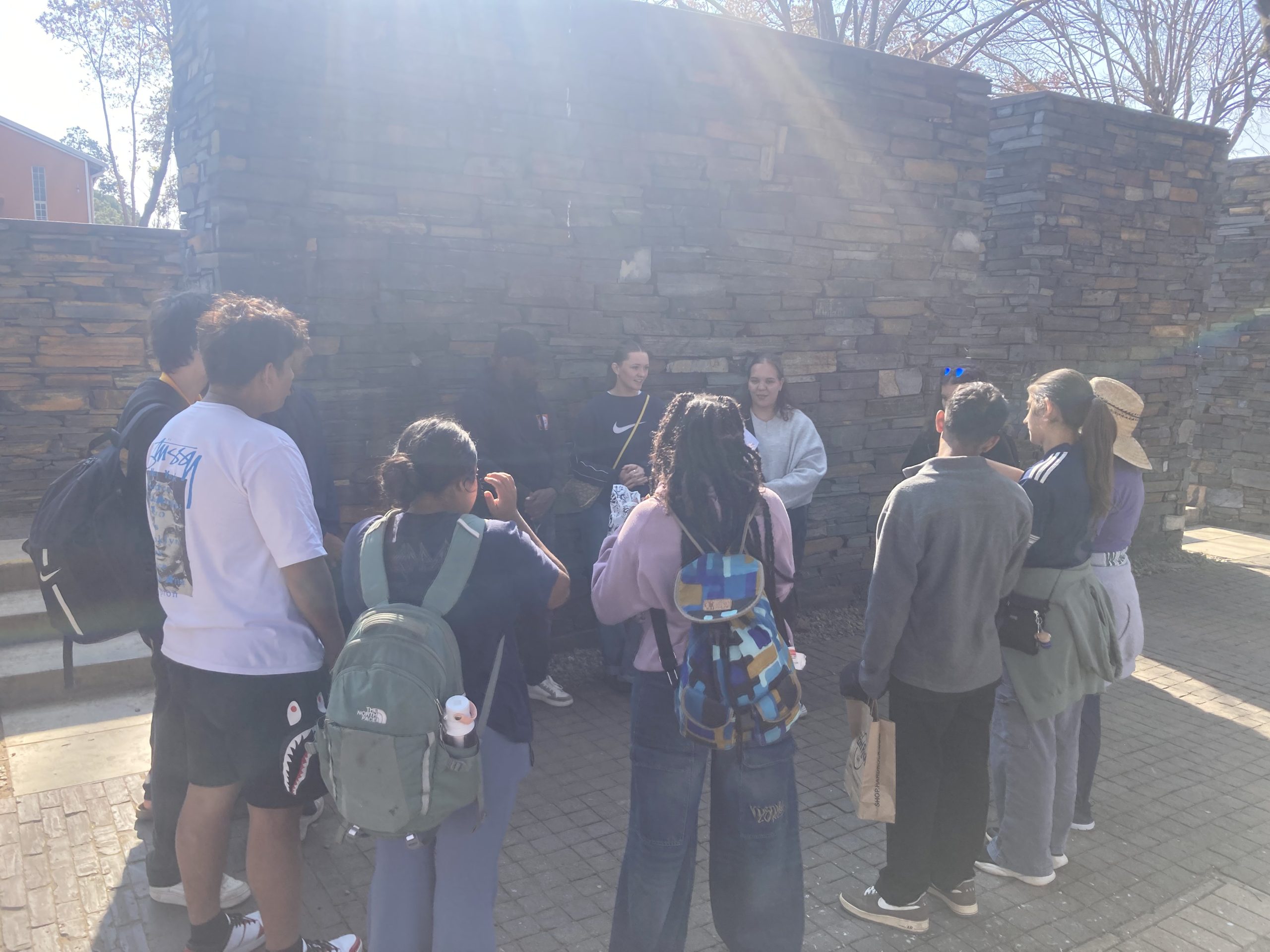
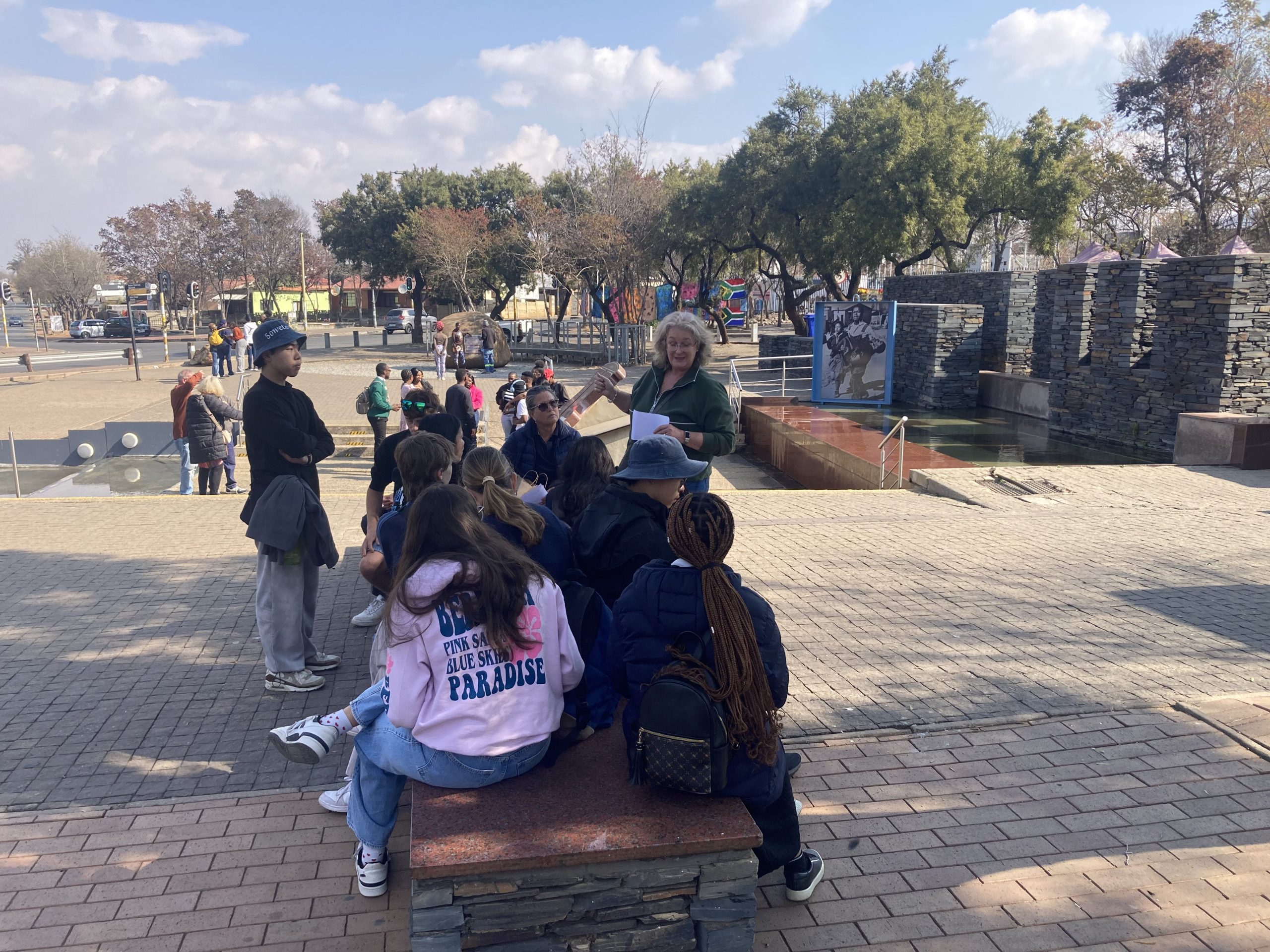
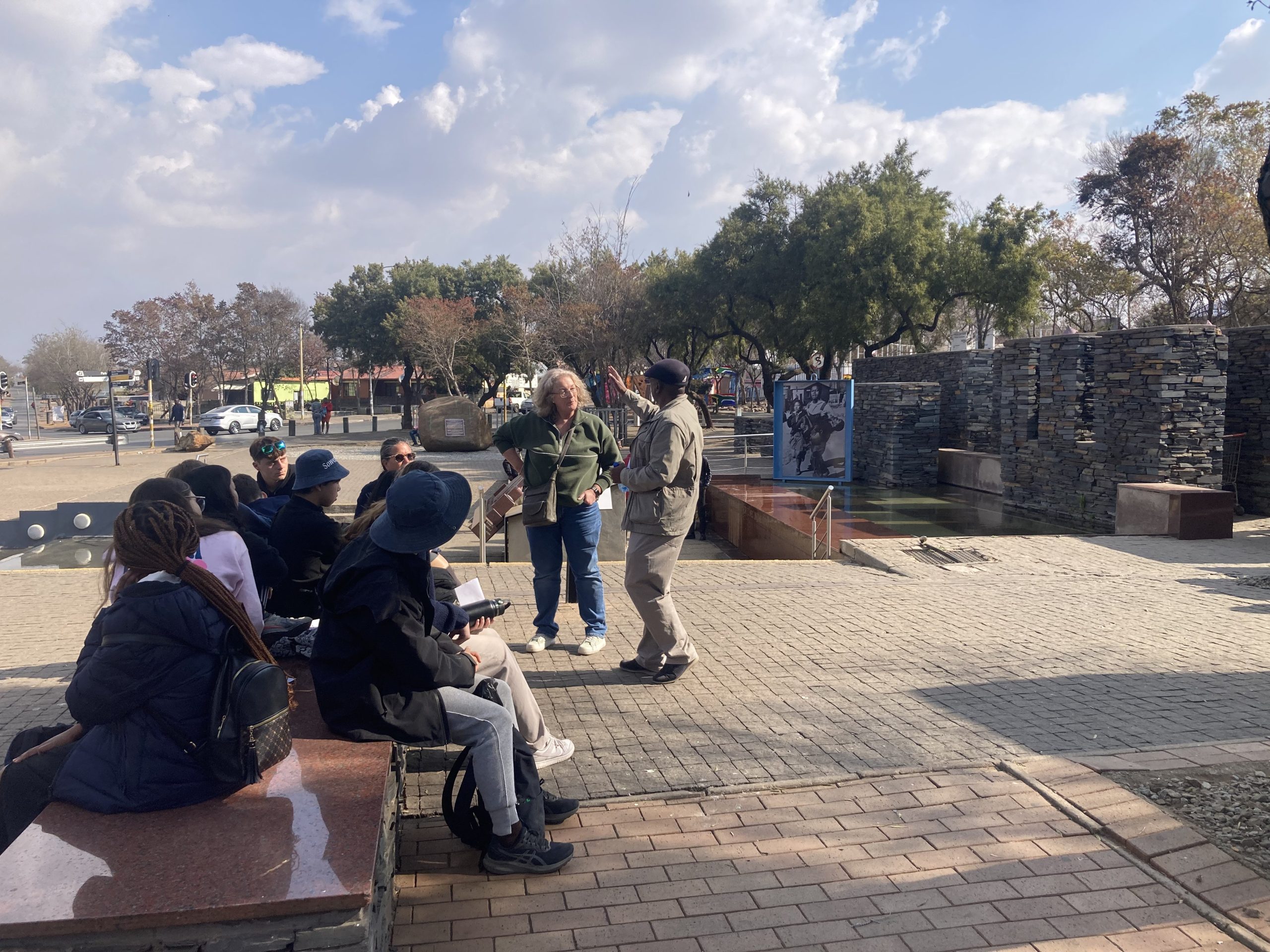
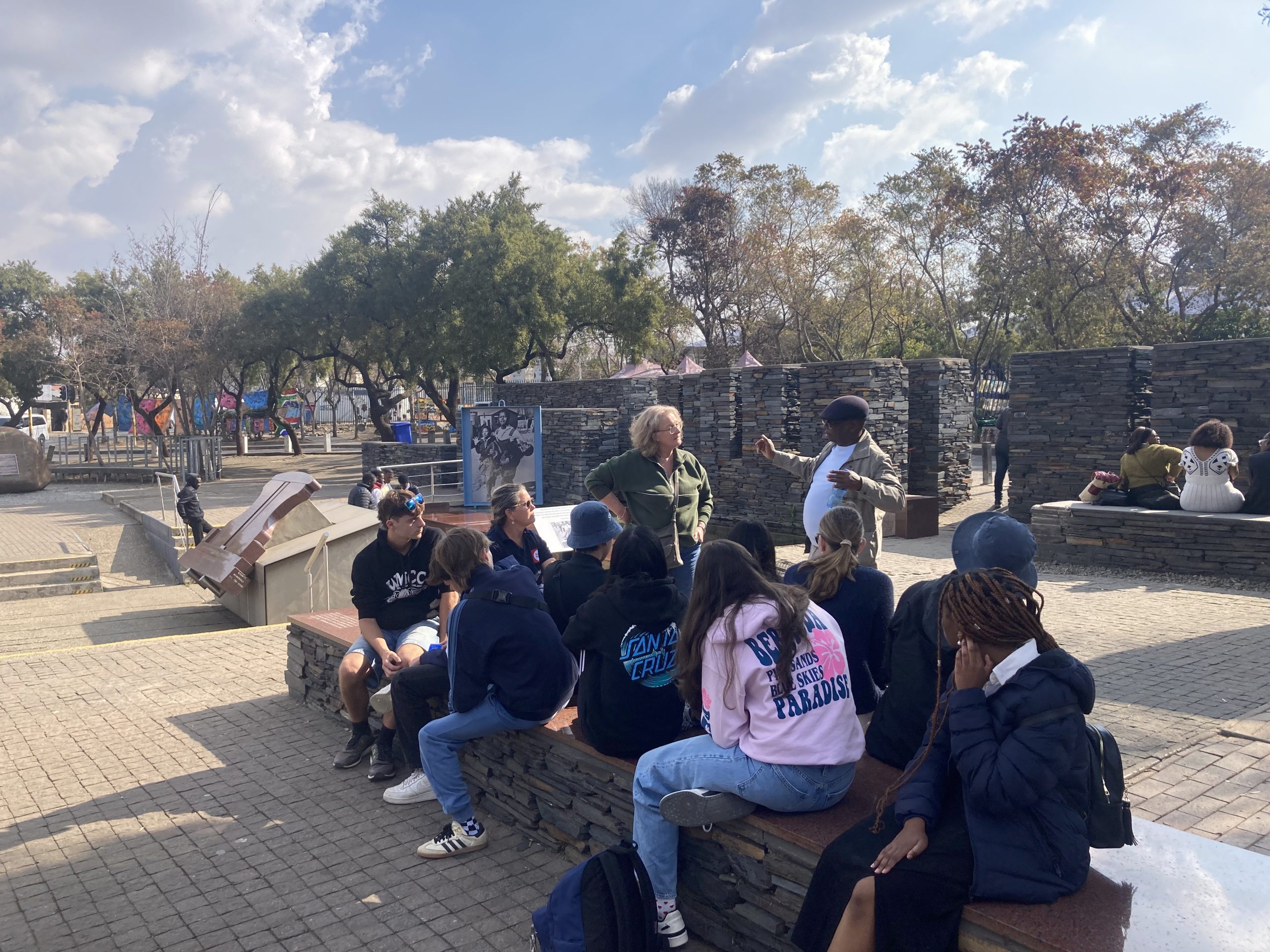
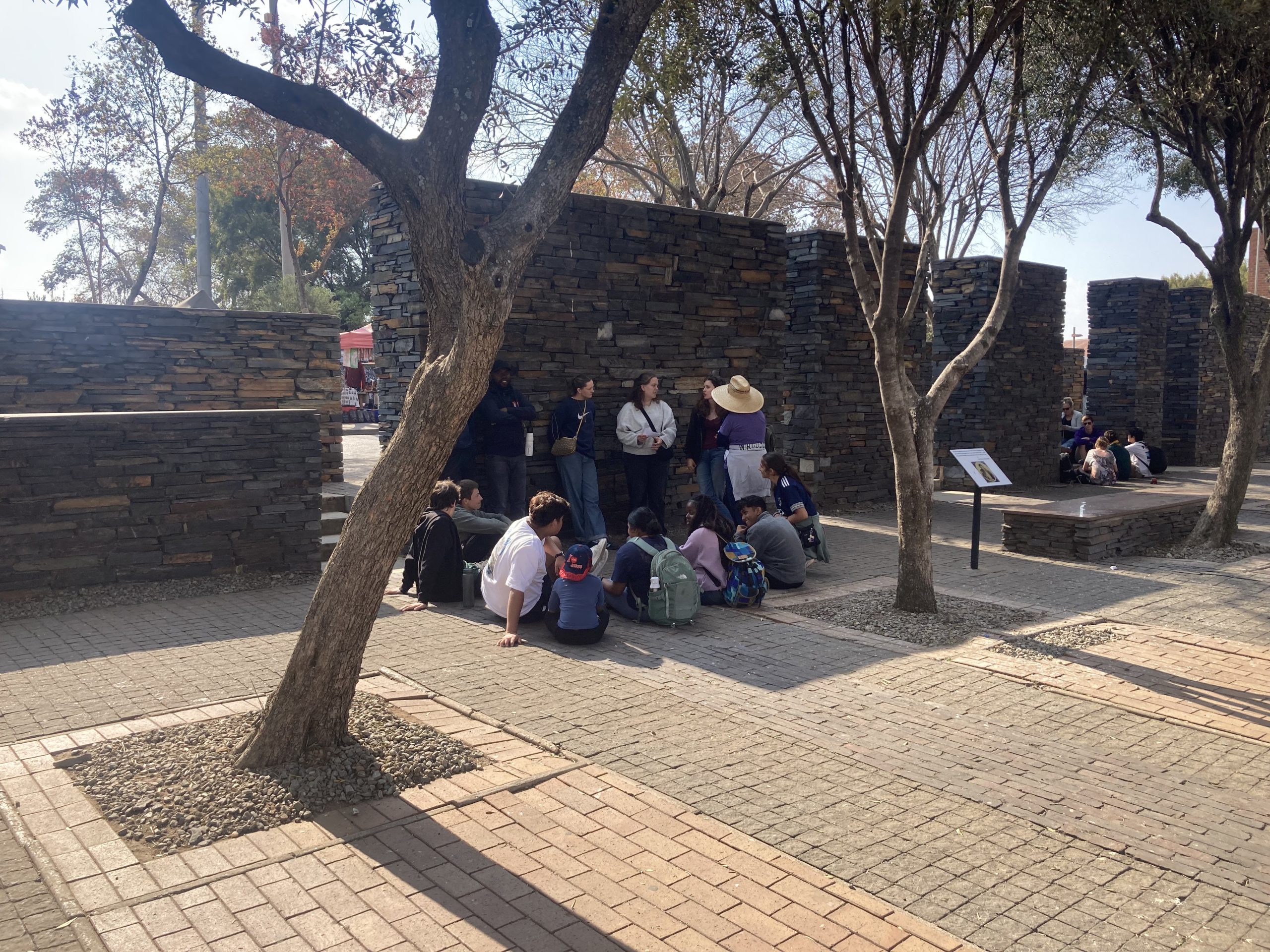
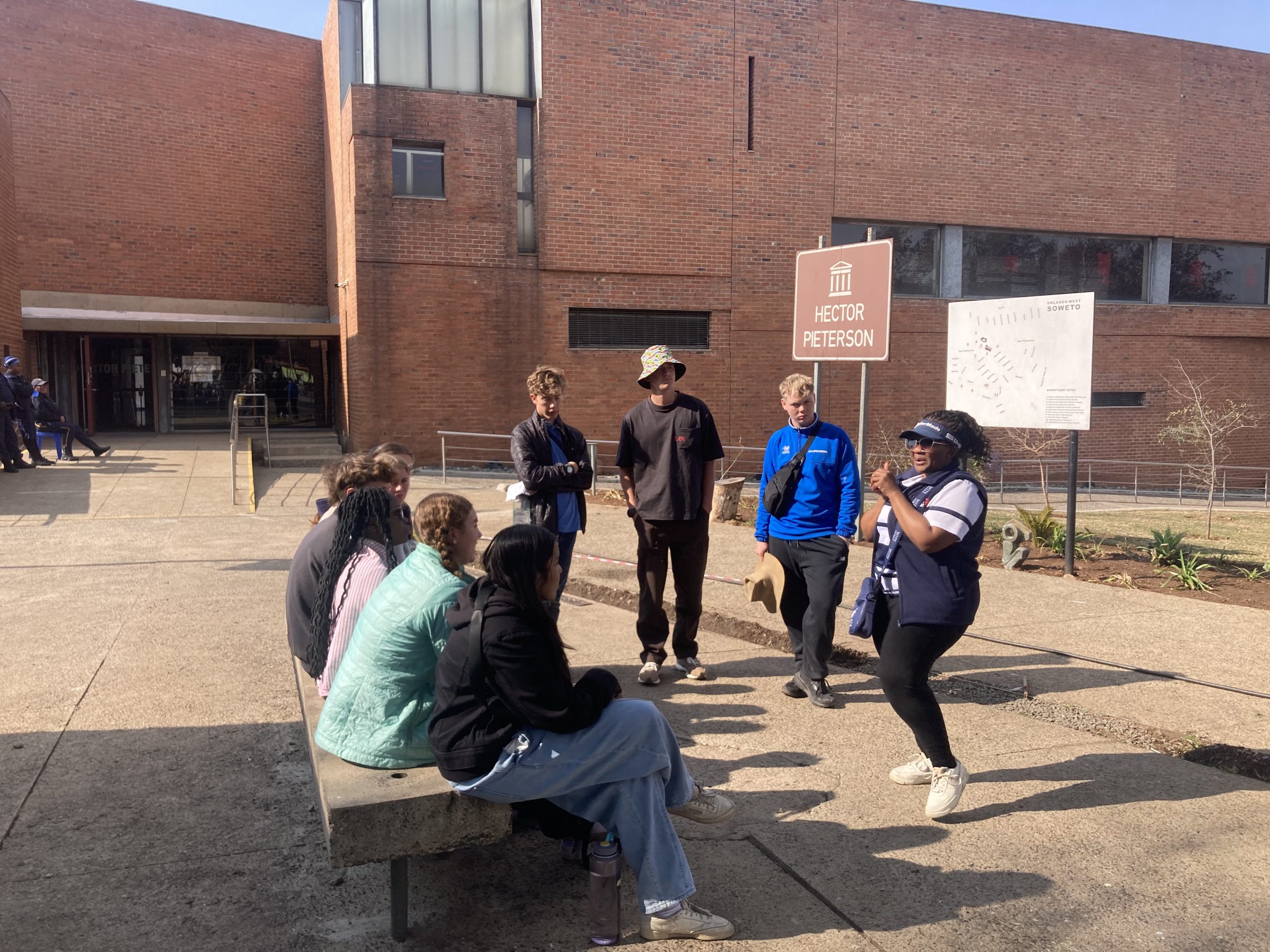
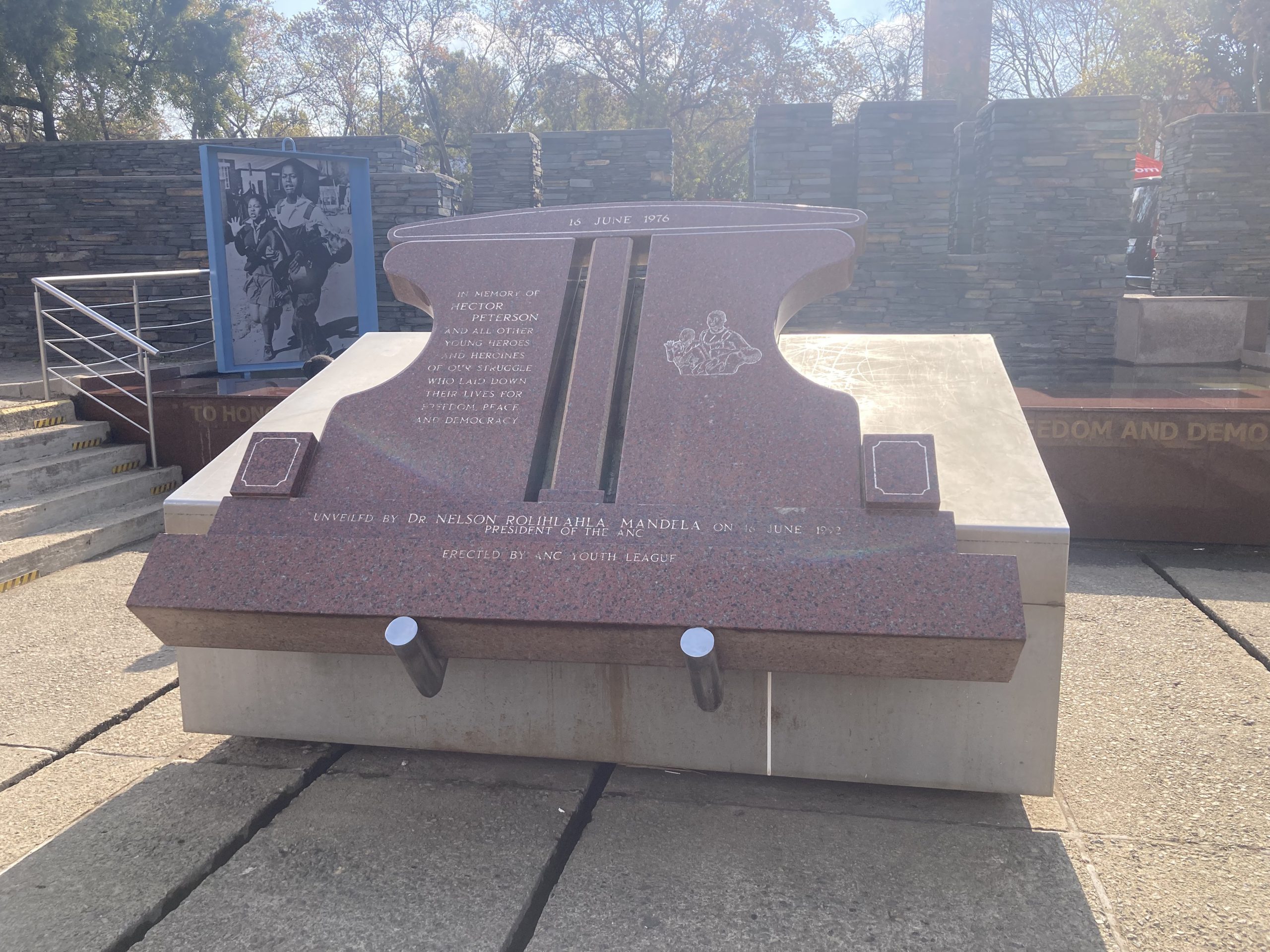
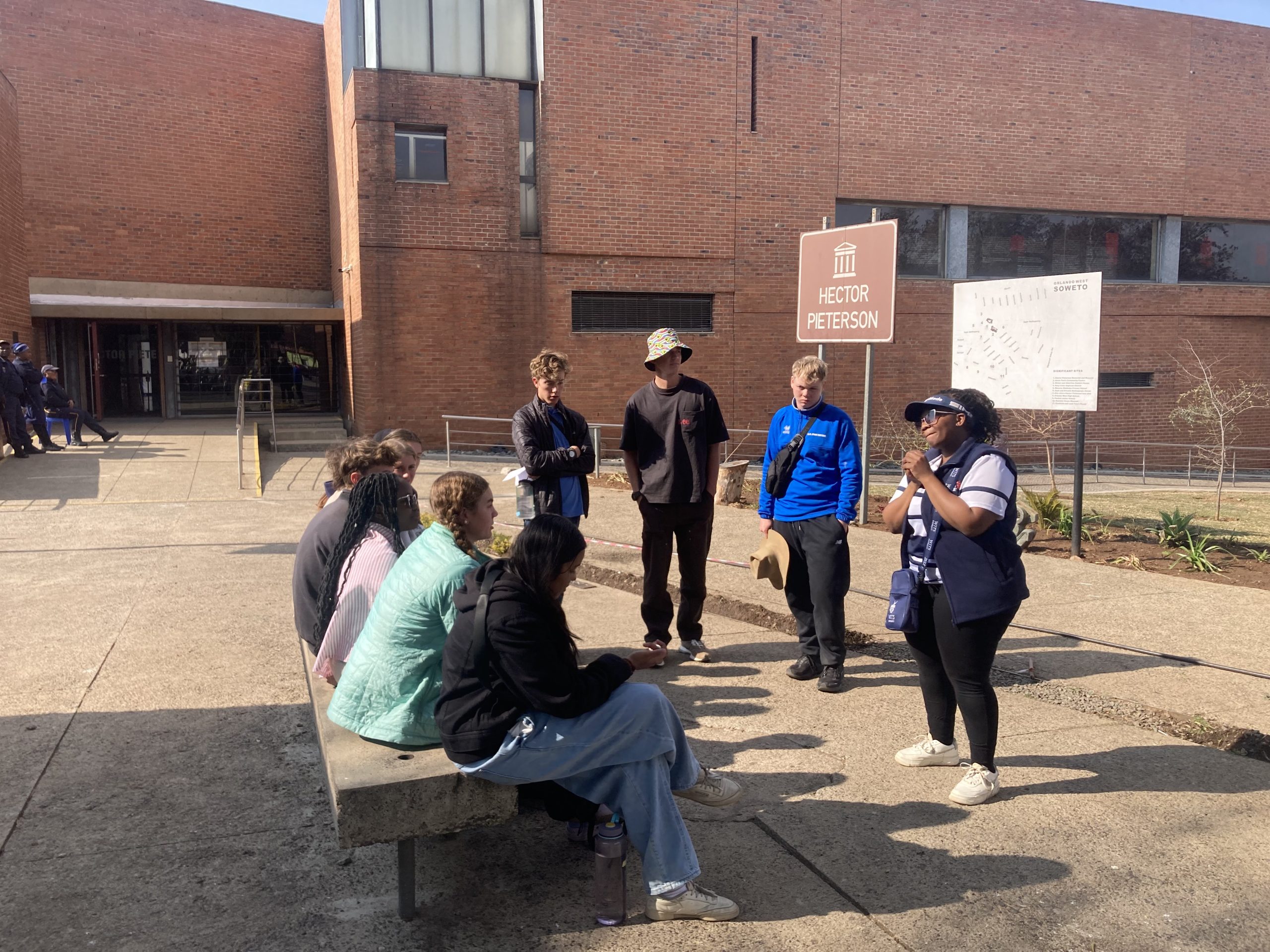
Tebogo Maneli, a history teacher of the college brought in a special guest for us today, her father Letlhage Mochadibane who was part of the protests against the Apartheid regime in Soweto, during his teenage years. He started by giving us a little context about the Apartheid which happened from 1948 to 1994, explaining to us how the system imposed by the White minority impacted and traumatised the Non-Whites, due to the numerous segregation laws and the constant violence during this period. He then brought us all to the Hector Pieterson memorial, where 13 year old Hector Pieterson was the first victim of the Soweto uprising and massacre who was caught on camera in 1976. The picture was Hector being carried by Mbuyisa Makhubo running to the nearest hospital. We were then separated into our Baraza groups which were each joined by a member of the St Sithians Girls’ College. We were able to discuss with them about the Apartheid and the struggle of the Non-Whites and learned about the history of South Africa and why there continued to be so many challenges in this country today.
We then headed over to the Apartheid museum which was a 20 minute drive from Soweto. We were put into two groups and visited the museum for 2h30, in which we saw the struggle and the oppression that Non-Whites had to endure during this period of time. It was very emotional and sometimes hard to watch some of the images and videos, due to the omnipresence of violence during this period. During our stay at the Apartheid museum, there was a section mostly focused on Nelson Mandela and his actions in South Africa and how he managed to end the Apartheid regime. In the eyes of the majority of the population, they saw “Madiba” as a saviour as well as a freedom fighter who led his country by emphasising seven different ideas (pillars): Democracy, Reconciliation, Equality, Diversity, Responsibility, Respect and Freedom. “To be free is not merely to cast off one’s chains, but to live in a way that respects and enhances the freedom of others.” This quote was expressed by Nelson Mandela on July 16 2003, during a speech he delivered in South Africa that marked the launch of “Mindset Organisation”, which was an organisation that focused on improving the education and health of young Africans. It reflects his fight for defending his people during this difficult period.
We then headed to the hotel where we were given our keys to our rooms. It was our final night all together. The moment was filled with emotions as people left to the airport in the evening and the next morning, leaving their new friendships behind. But promises were also made, never forgetting about the friends we made along the way, and mostly never forgetting about this trip, this amazing experience that was able to bring us all together and made us discover new cultures, ways of living, a sense of community, and an incredibly powerful shared experience.
Finally, we also want to express a final quote in which we believe reflects our services for the village of Matlapaneng throughout this wonder experience: “We must use time wisely and forever realize that the time is always ripe to do right” – Nelson Mandela
Elliott and Elliot