Sara Gupta, The Shri Ram School, Moulsari – Kurt Hahn Prize, Highly Commended
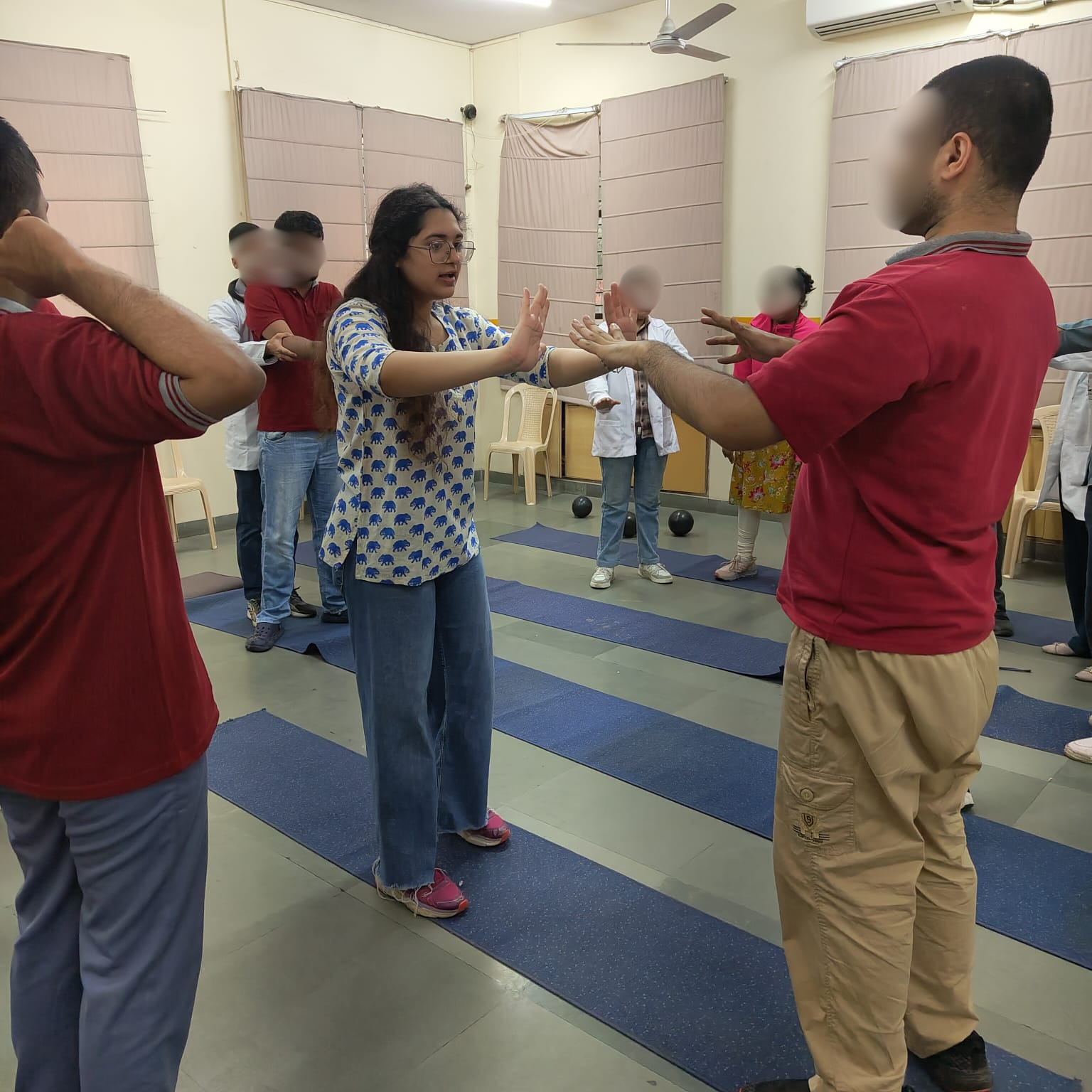
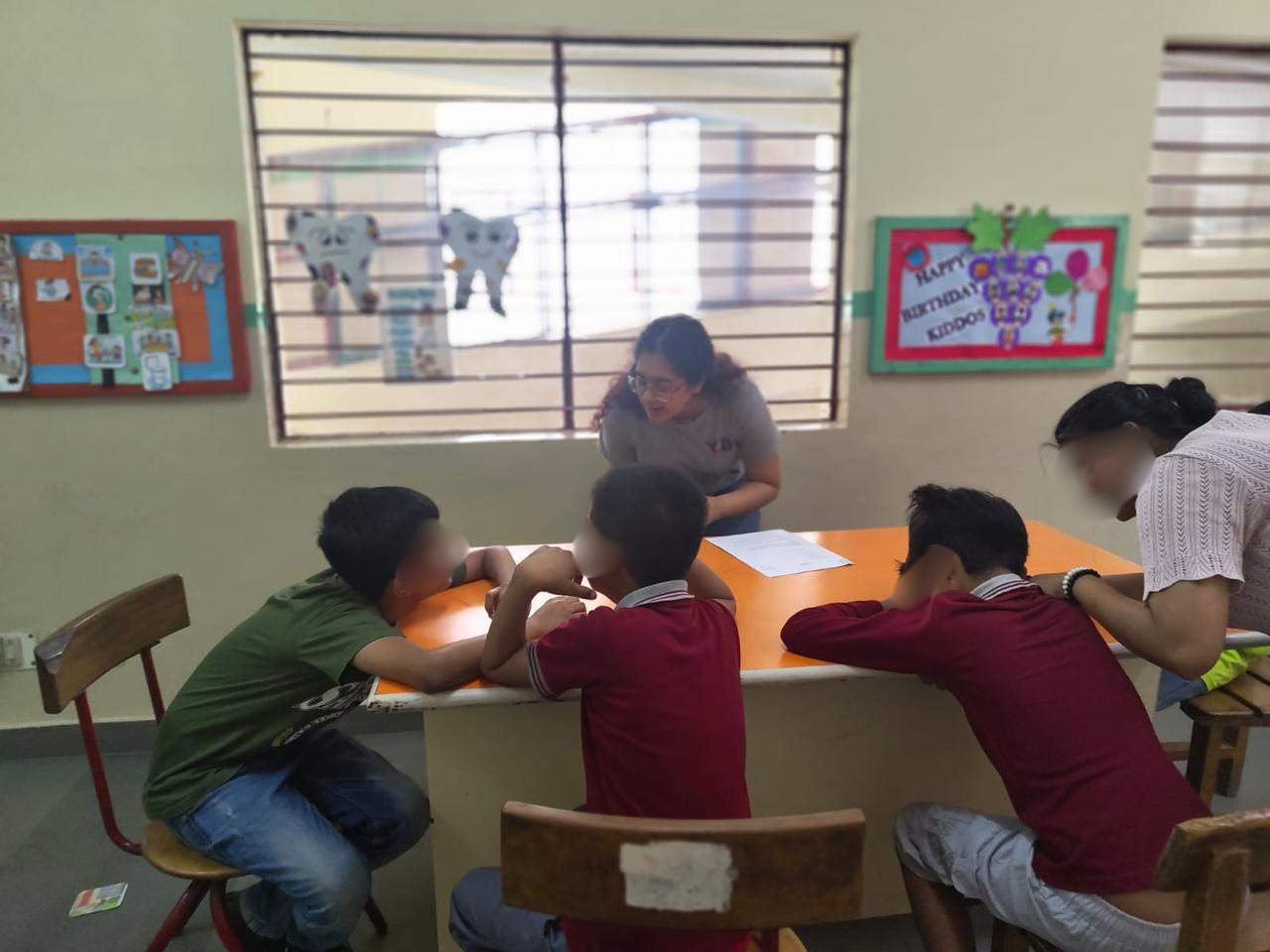
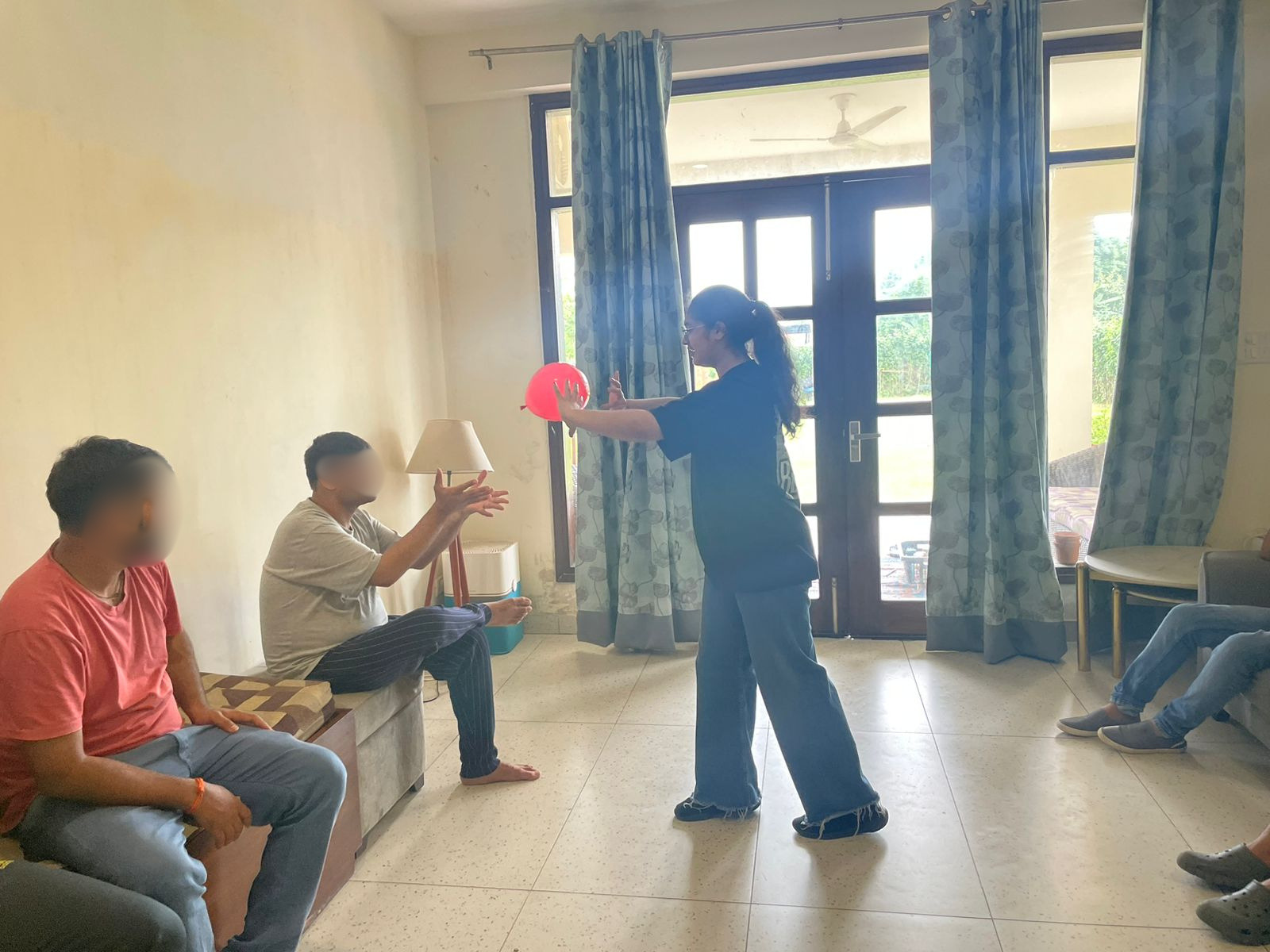
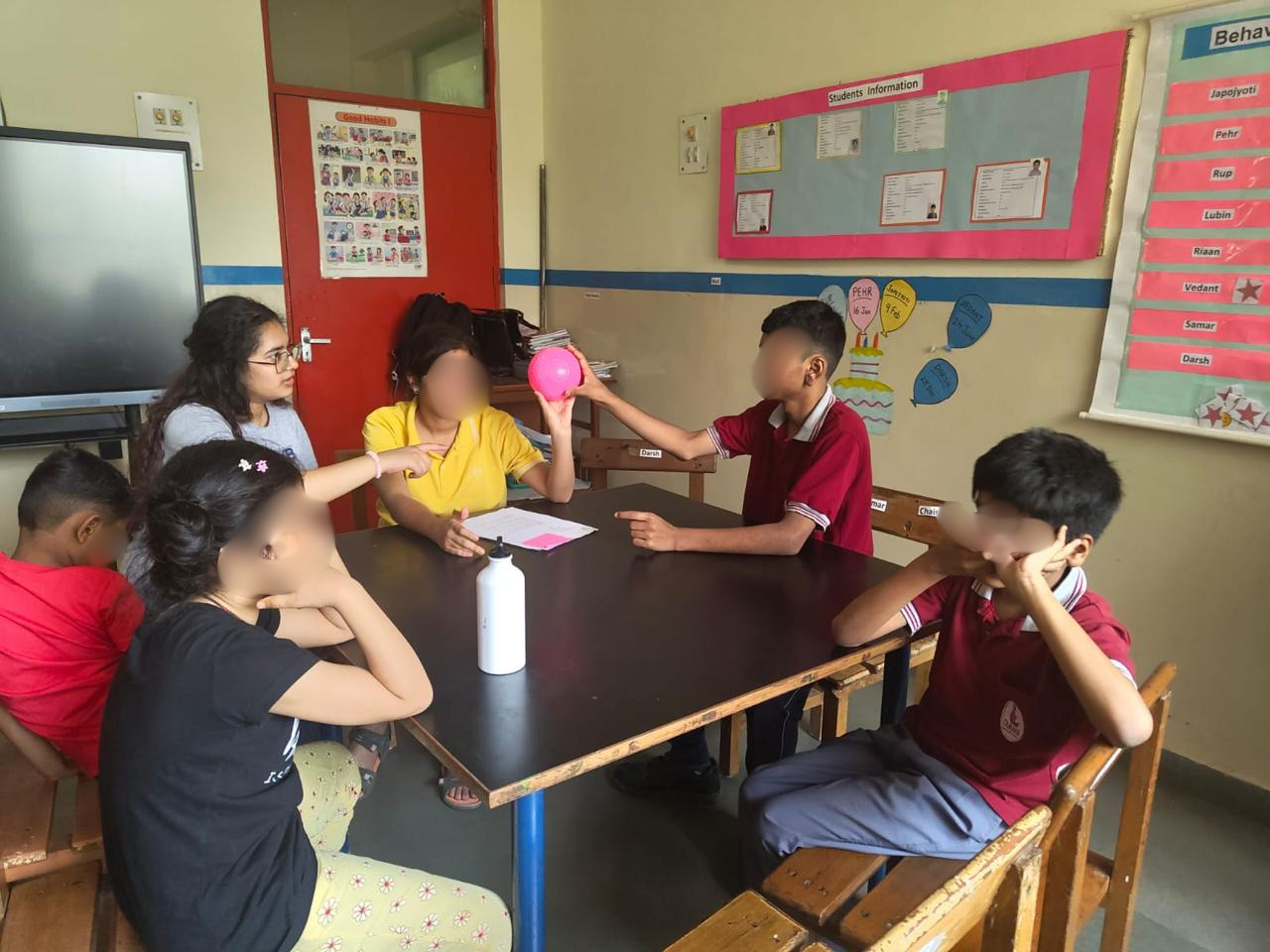
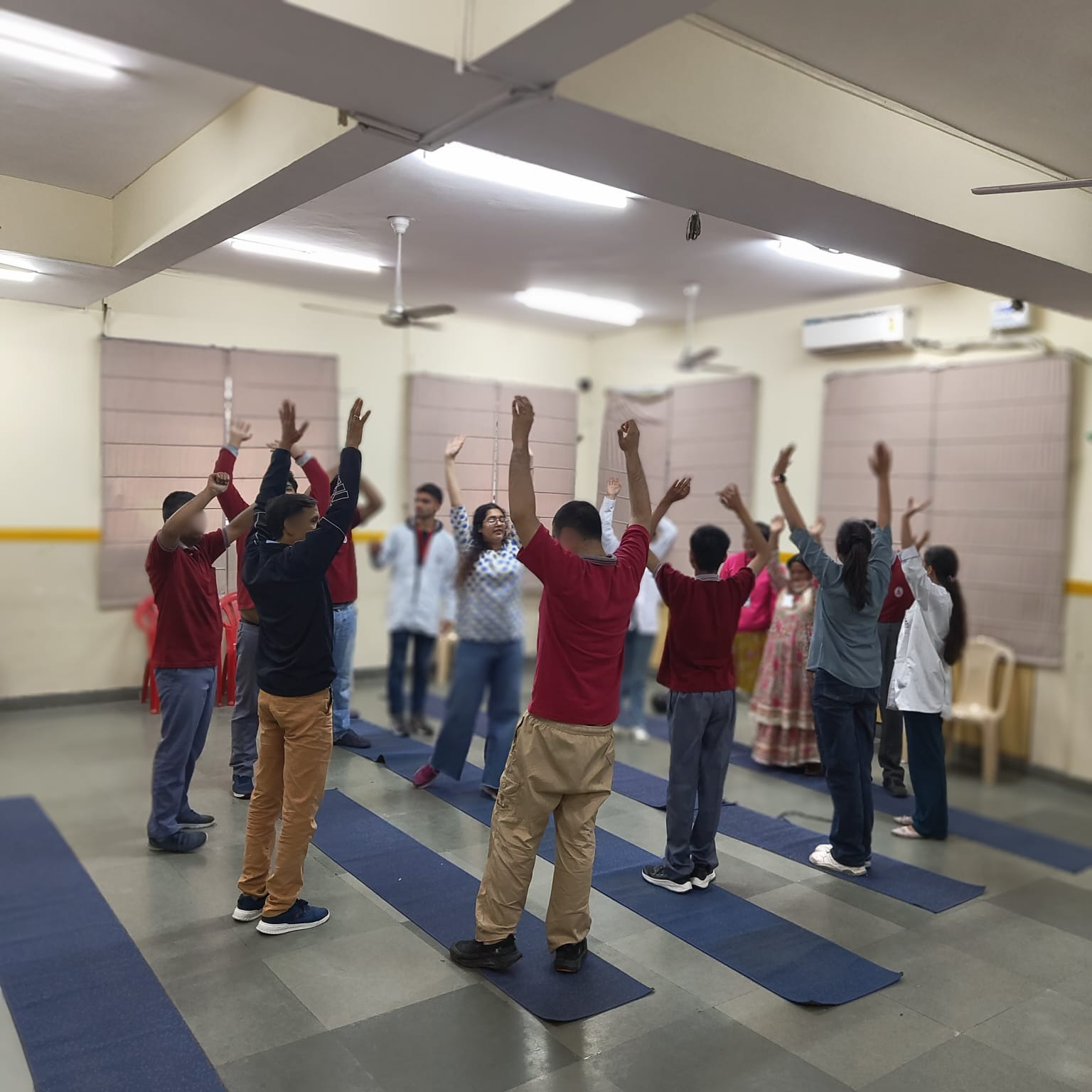
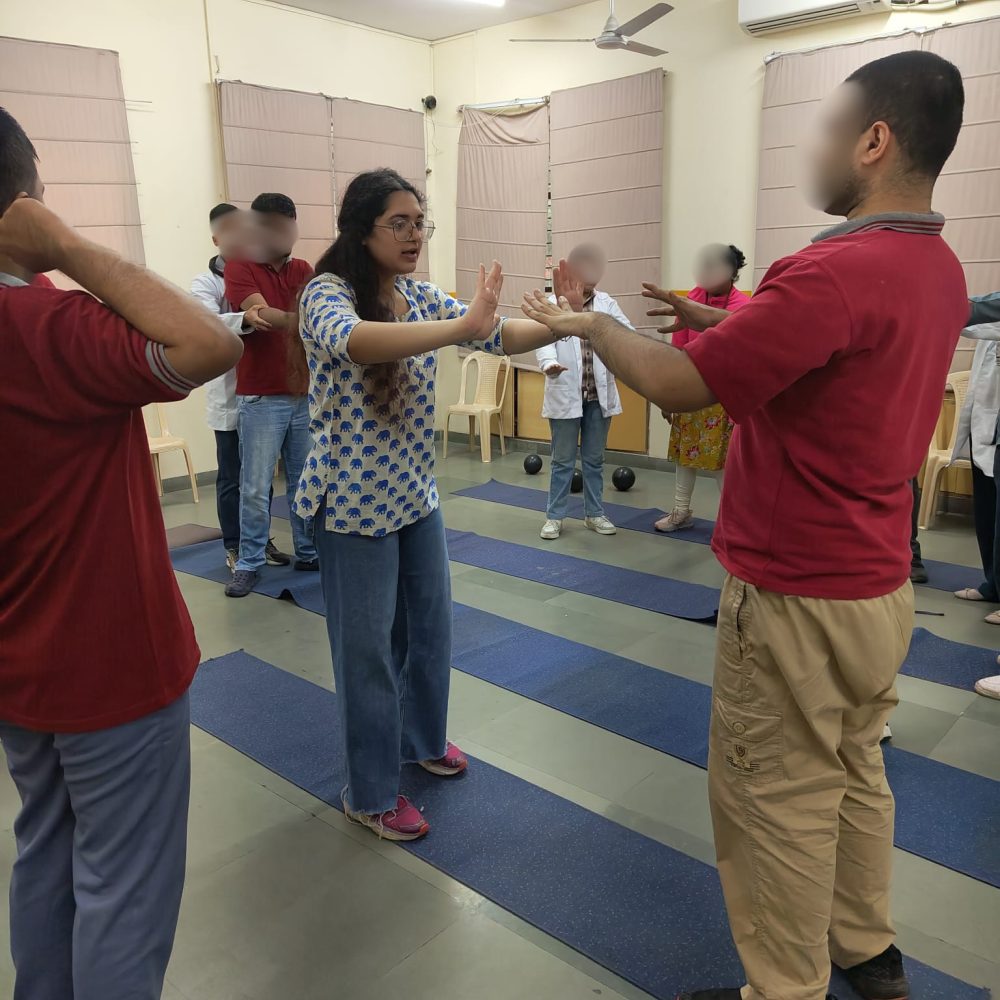
Sara Gupta from The Shri Ram School Moulsari, India, received a Highly Commended recognition in the Kurt Hahn Prize 2026 for her youth-led initiative, ATI, which uses theatre as a tool to support neurodivergent children and young people. Drawing on her lifelong passion for performance, Sara has developed workshops, productions and family programmes that create spaces where every participant can express themselves, build confidence and experience a sense of belonging.
She says:
“Theatre has been a part of my life for as long as I can remember. I have been performing since I was four or five years old, and over the years it has become much more than an activity. Theatre helped me discover myself. It taught me how to express my emotions, how to be vulnerable, and how to connect with people I had never met before.
The idea for ATI came from a moment that completely changed the way I thought about communication and inclusion.
A few years ago, I attended a fundraiser for neurodivergent individuals with my father. During the event, an autistic child unexpectedly hit my father on the head. Rather than focusing on what had happened, I became curious about why it had happened. There had to be something that triggered that reaction.
I later learned that my father’s red pocket square had caused sensory discomfort for the child. That moment stayed with me. It made me wonder whether theatre, with its focus on expression, movement and connection, could help bridge some of these gaps in understanding and communication.
I began experimenting with activities through small workshops, and to my surprise, they worked. What started as an idea gradually became ATI.
ATI (pronounced aa-thee) takes its name from the idea of going “beyond”. It is also a Hindi word meaning “beyond”, which felt especially meaningful to me because ATI is about looking beyond labels, diagnoses, and assumptions. Through theatre, ATI aims to help neurodiverse individuals discover, express, and celebrate their unique strengths and potential. For me, theatre has always been a platform for expression and self-discovery, and I wanted to create opportunities for others to experience that same sense of confidence, belonging, and freedom. Ultimately, ATI hopes to build a society that is more understanding, inclusive, and accepting of differences, because when more people are given the opportunity to thrive, everyone benefits.
Today, ATI is built around several programmes. The core programme is a 21-day theatre experience for neurodivergent children that culminates in a stage production. Alongside this, I run parent-child theatre workshops designed to strengthen family connections through shared creative experiences. I have also developed skill assessment tools to help track growth over time and am exploring ways to make theatre-based learning more accessible through digital and technology-supported approaches.
One belief sits at the heart of everything I do: everyone deserves a place on stage.
When I approached some schools about running productions, I was occasionally advised to work only with students who were considered “easier” to include. Some children were described as being too severe or too challenging to participate. I never agreed with that perspective. I believe that every individual, regardless of where they are on the spectrum, deserves the opportunity to belong, perform and be seen.
Building ATI has not been without challenges.
One of the biggest lessons I learned was patience. Establishing trust with neurodivergent children takes time. Unlike many other settings, genuine connection cannot be rushed. Children quickly recognise whether someone is truly invested in them or simply going through the motions. During my earliest workshops, I was nervous and uncertain, but I gradually learned that meaningful progress begins with consistency, empathy and authentic relationships.
I also faced scepticism from some parents. Before one production, several parents questioned whether theatre was really an effective way to support their children. Those conversations were difficult because I cared deeply about what I was trying to achieve.
Then the performance arrived. Watching the children step onto the stage with confidence, joy and pride was incredibly powerful. Afterwards, many of those same parents approached me with a completely different perspective. They had seen their children shine in ways they had not expected. Hearing their encouragement and seeing their pride remains one of the most rewarding moments of this journey.
While those large moments matter, it is often the smaller ones that stay with me the most.
I remember a boy named Mandip from one of my earliest programmes. During the first few sessions, he would barely look at me. We had very little interaction. Then, after several weeks, something changed. Every time he left a session, he would give me a high five and say, “Sara Didi has come.”
Those simple moments meant more to me than any statistic or milestone. In other programmes, children began greeting me with hugs or excitement when I arrived. Those gestures showed me that they felt comfortable, valued and connected. They reminded me that impact is often measured in trust, not numbers.
Receiving recognition as a Highly Commended recipient of the Kurt Hahn Prize feels both humbling and motivating. When I first learned about the award, I was inspired by the stories of young people creating meaningful change in their communities. I never imagined I would be recognised alongside them.
For me, this recognition is not simply about ATI. It is a reminder that ideas rooted in empathy can grow into something larger than we initially imagine. It reinforces my belief that every child deserves opportunities to express themselves, to belong, and to be celebrated for who they are.
As ATI continues to evolve, I hope to expand its reach, develop new resources, and continue exploring how theatre can help create more inclusive spaces. Most importantly, I hope to keep building environments where every young person feels seen, heard and valued.
Because sometimes the greatest impact begins with something very simple: giving someone a place on the stage and the confidence to step into the spotlight.”
Four steps to leading like Sara
- Start before everything feels perfect
Your first version does not need to be flawless. Build it, learn from it, and improve as you go. - Lead with genuine connection
Real impact comes from relationships. Take time to earn trust before expecting results. - Believe everyone deserves a place to belong
Inclusion works best when opportunities are created for everyone, not just those who seem easiest to support. - Celebrate small signs of progress
Sometimes a smile, a high five, or a moment of confidence tells you more about your impact than any metric ever could.