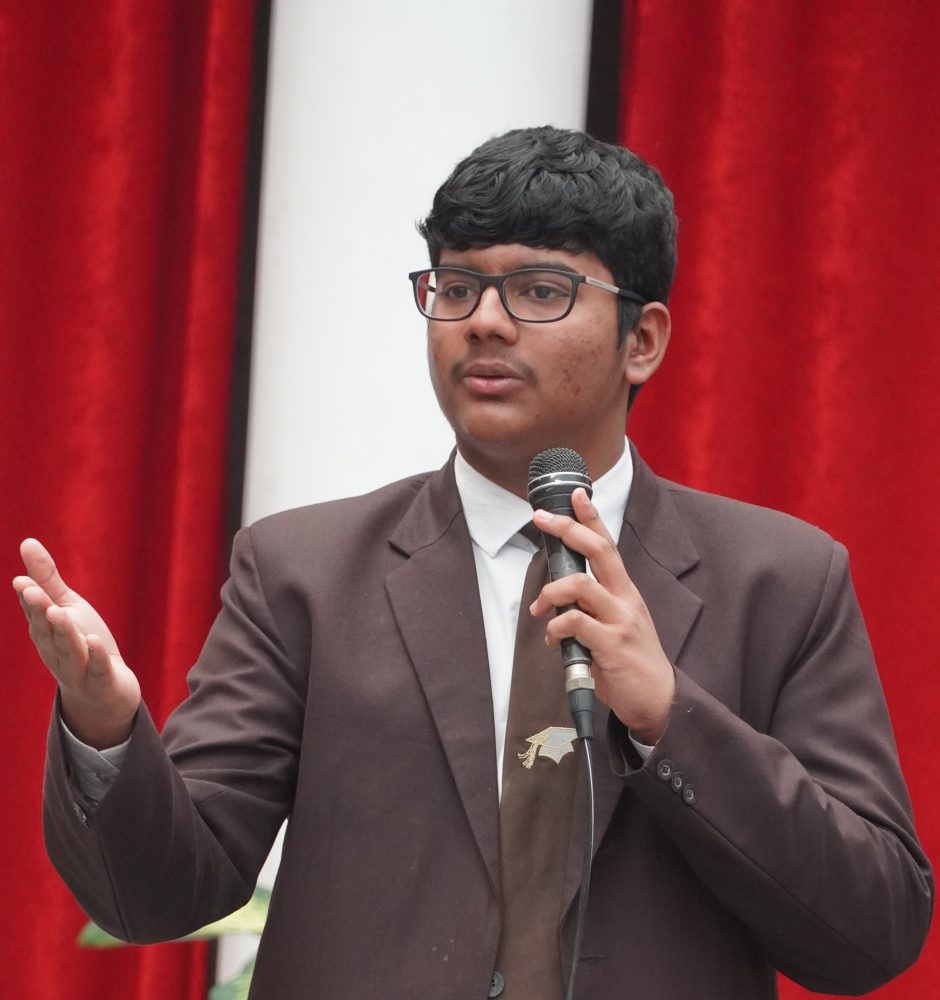
Koustabh Gupta, Welham Boys’ School – Kurt Hahn Prize, Highly Commended
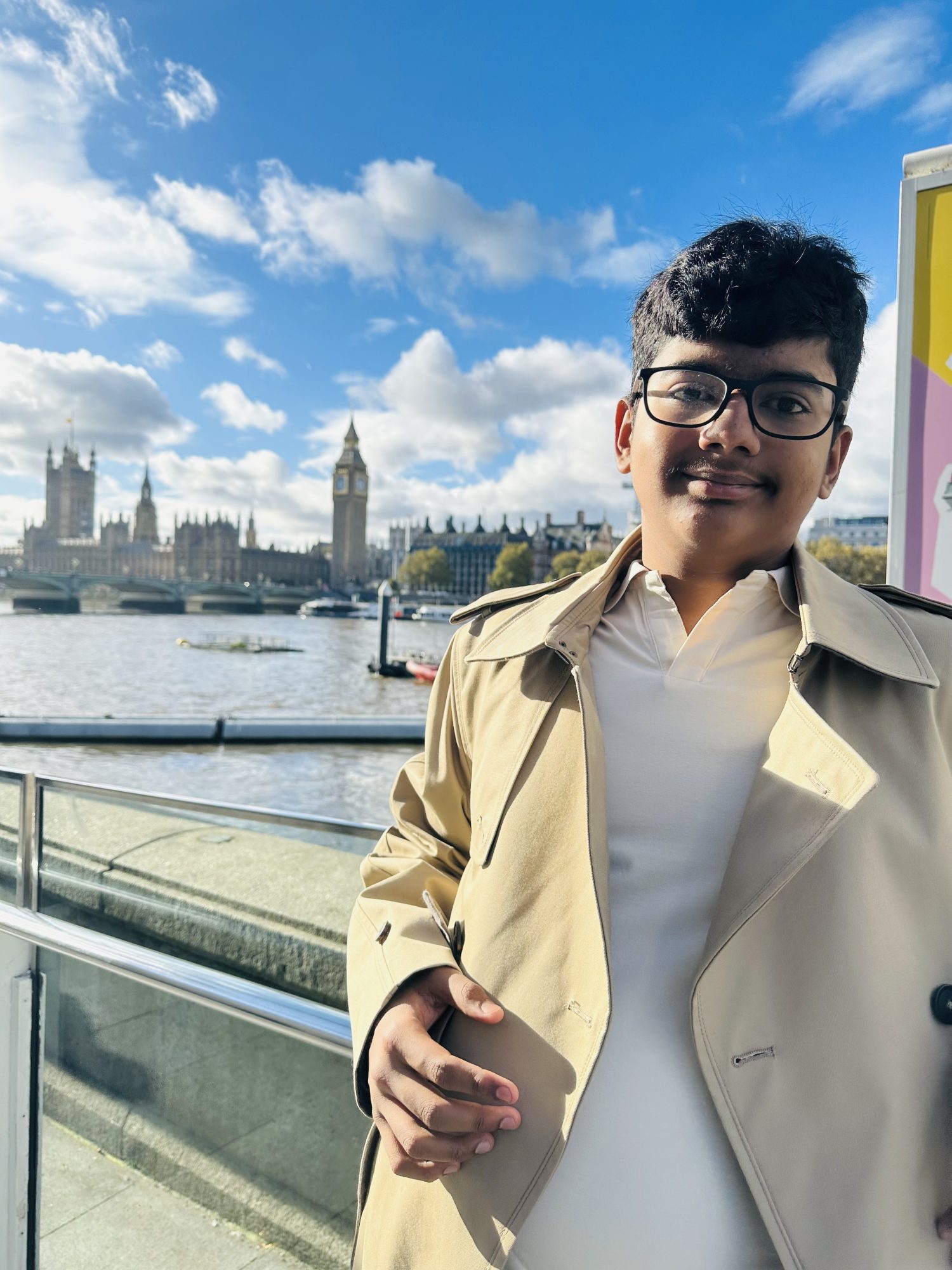
Koustabh Gupta, from Welham Boys’ School in India, has been recognised as Highly Commended in the 2026 Kurt Hahn Prize for his sustained commitment to improving menstrual health, education and opportunities for girls from underrepresented communities. Through projects including Roshni Ki Udaan and his non-profit initiative, The PostModern, he has worked alongside students, NGOs and local communities to make menstrual healthcare, climate education and experiential learning more accessible. Reflecting on his journey, Koustabh shares what inspired his work, the lessons he has learned about leadership, and why creating change has always mattered more to him than receiving recognition.
“In rural India, I saw an increasingly high correlation between girls facing menstrual stigma and girls dropping out of school. Many were dealing with harassment, taboos and a lack of access to basic menstrual healthcare. Rather than finding solutions, society was allowing these barriers to force girls out of education.”
“I saw women close to me having to sacrifice opportunities and ambitions. Seeing my own mother face those challenges stayed with me. Those experiences, together with the realities I was seeing around me, convinced me that I wanted to contribute to meaningful change through grassroots initiatives. That became the starting point for Roshni Ki Udaan and later my non-profit, The PostModern.”
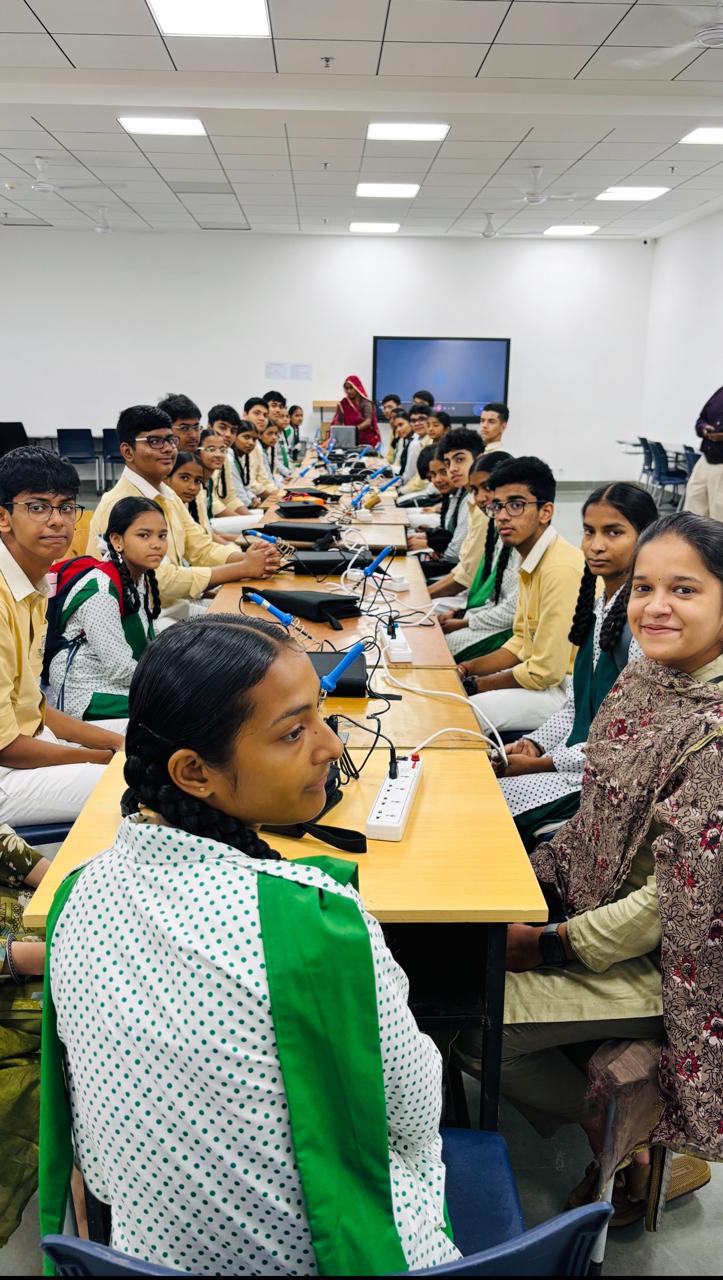
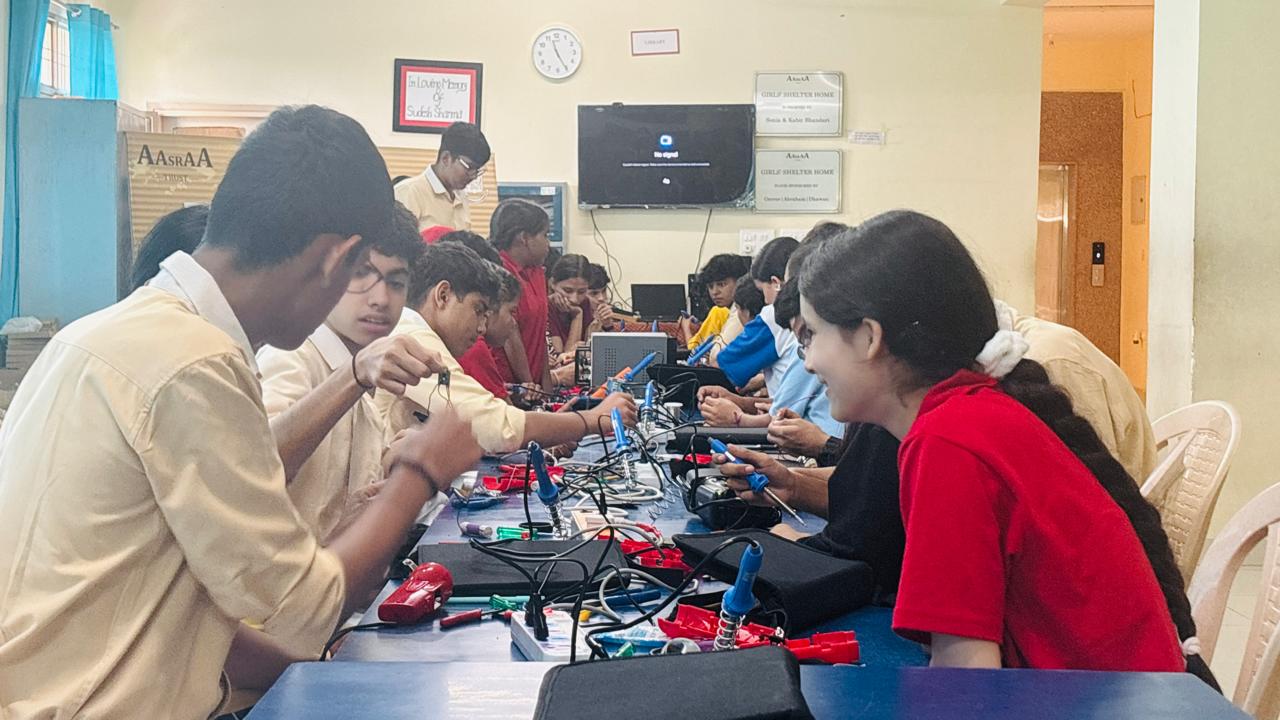
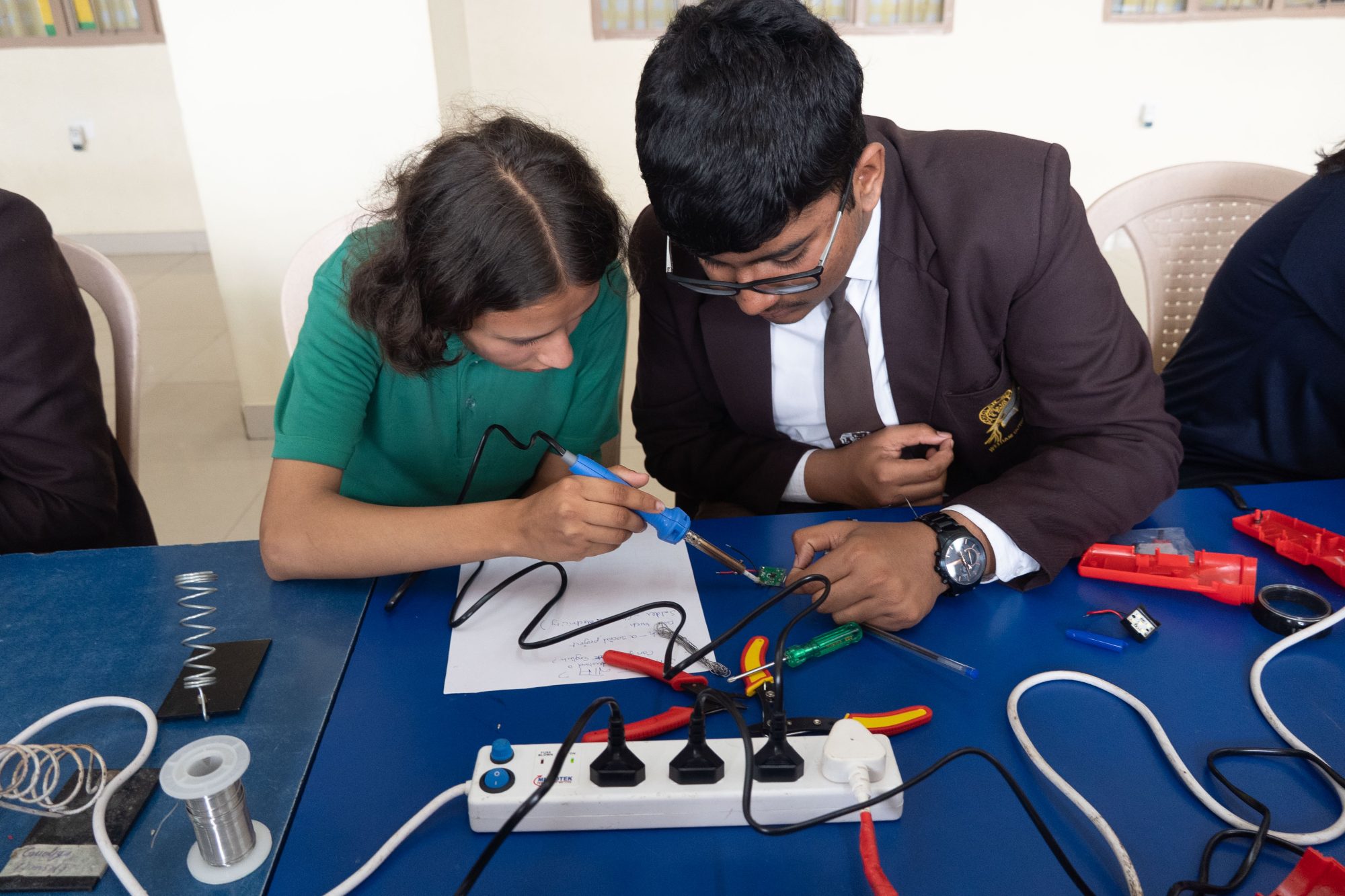
“Our goal has never simply been to distribute resources. We wanted to empower girls to continue their education with dignity. Working alongside Bindi International and local organisations, students from Welham Boys’ School collaborated with girls from the Aasraa Trust to manufacture sanitary pads and assemble solar torches together.”
“For me, that partnership was important. The girls were not simply beneficiaries of the project. They became producers as well, creating something that would benefit both themselves and others in the long term.”
“As the project developed, we expanded beyond menstrual healthcare to include climate education, working with hundreds of students to assemble solar torches while learning about sustainability and environmental responsibility.
One experience has stayed with me more than any other. During a workshop at the Aasraa Trust in Dehradun, some of the children were deaf, but despite all communication barriers that persisted, my friends and I assembled torches with them, fostering inclusivity within our outreach efforts. In such moments of inclusivity and empathy, my friends and I found the true spirit of community outreach.
We believed everyone should participate. We found our own way to communicate by writing on paper instead of speaking, guiding each step of the assembly process through written instructions. None of us knew sign language, but we discovered that barriers can often be overcome if both sides are willing to work together and find common ground. Inclusion is not about making exceptions. It is about making sure nobody is left behind.
The project has not been without challenges. Building partnerships with NGOs and schools took time. As a young person, I often found that people were hesitant to trust someone my age with delivering education on subjects like menstrual health. There were also practical barriers, from securing permissions to finding ways of communicating with different communities.
But every challenge became something to solve rather than something that stopped us. We kept trying, kept communicating and kept finding ways forward.
I used to think leadership meant supervising people or directing a project from the outside. Instead, I discovered that leadership means working alongside others. It means recognising a problem, proposing a solution and then building something together.
Working with younger students also taught me that leadership is not about how well I explain something. It is about what the other person understands. I learned to communicate in ways that made sense to them rather than focusing on what I wanted to say.
Being recognised as Highly Commended in the Kurt Hahn Prize is something I am genuinely grateful for. But if I’m honest, the recognition has never been my motivation. I applied because I wanted to share the journey. The awards that have come along the way have simply happened. What has always mattered most to me is creating meaningful change in my community. I enjoy making the change far more than receiving the award afterwards.
Koustabh’s advice to other young changemakers
1. Start with the problem you genuinely care about. The projects that last are usually the ones connected to something personal that you truly want to change.
2. Work with people, not for people. The strongest solutions come when communities become active participants rather than passive recipients.
3. Don’t let rejection stop you. Whether you’re approaching schools, NGOs or partners, keep communicating and keep trying. Progress often comes after persistence.
4. Choose yourself. If someone refuses to choose you for all your hard work, choose yourself louder, believe in your purpose, and start making that change yourself.