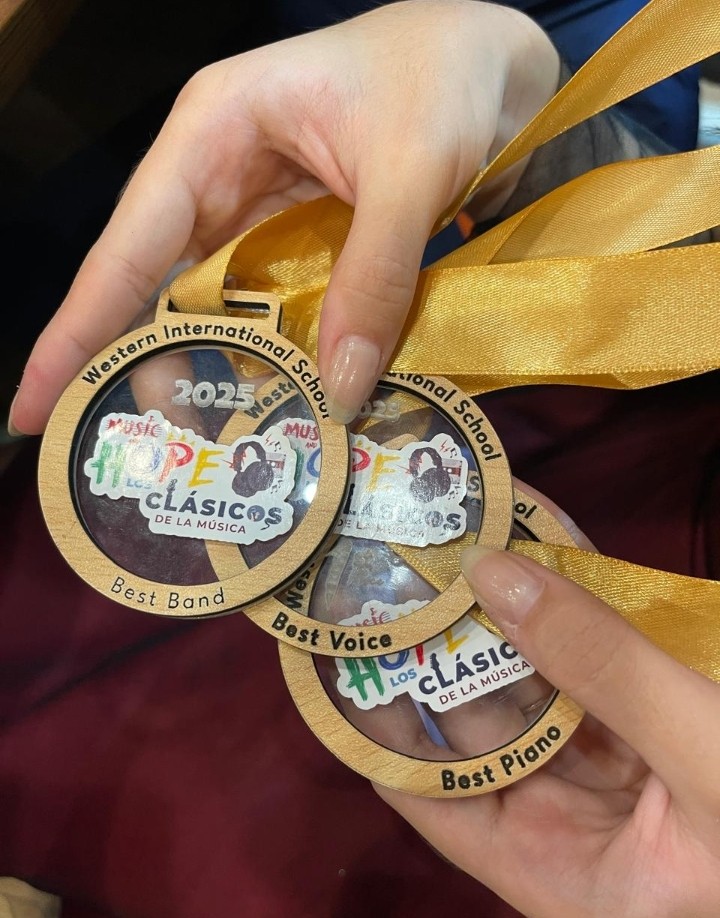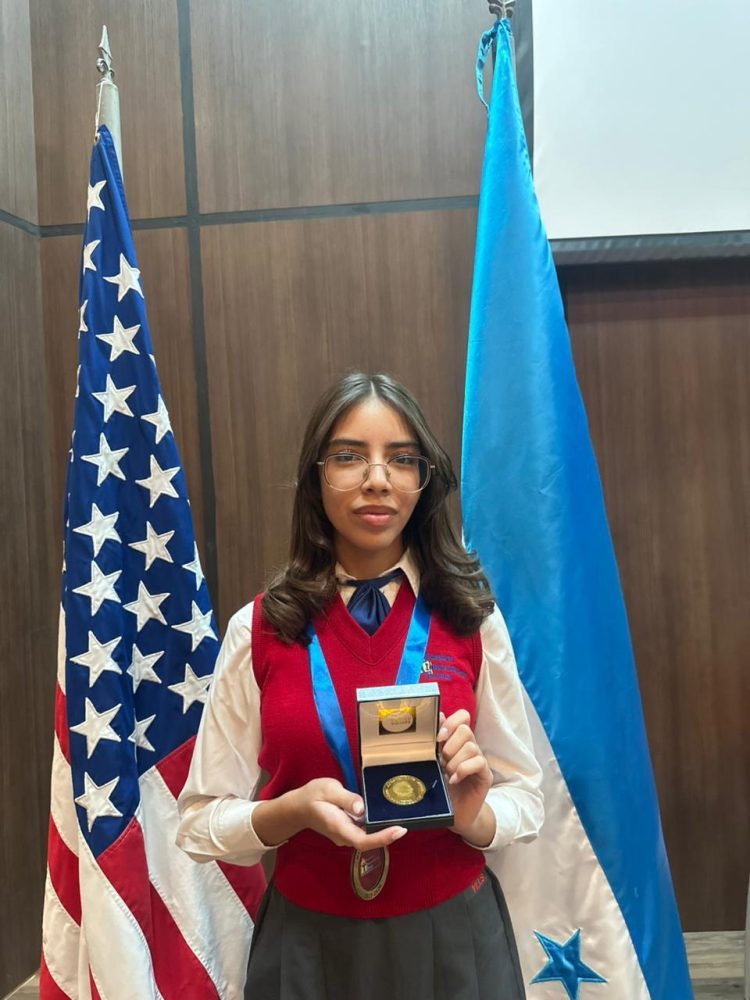
King Constantine Medal Story: Joannie Contreras, Western International School, Honduras
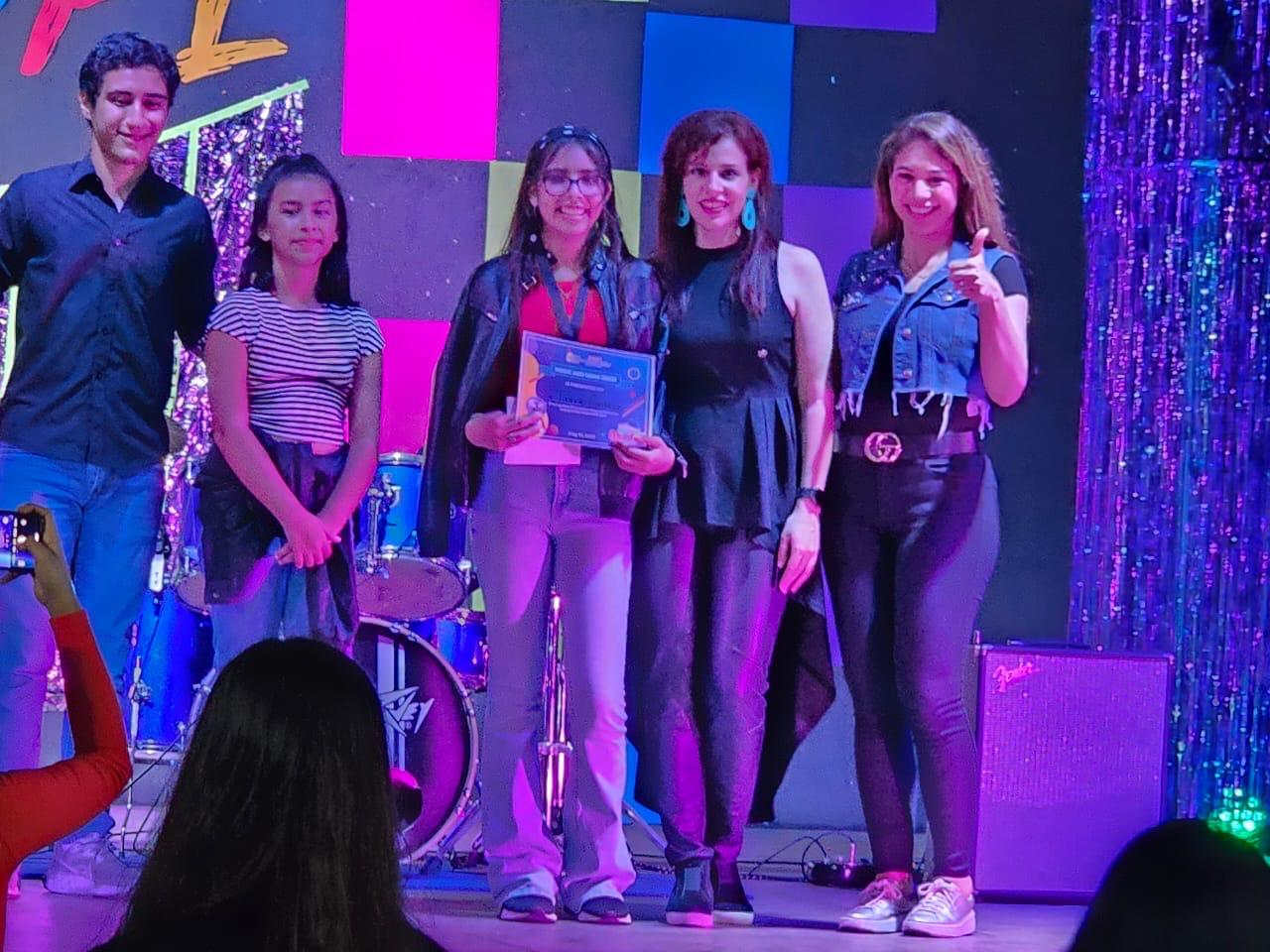
When Western International School (WIS) awarded its first King Constantine Medal, the honour went to Grade 11 student Joannie Contreras. Recognised for her commitment to Service, Leadership and living the Round Square IDEALS, Joannie has supported causes ranging from the Children’s Cancer Foundation to community fundraising initiatives in Honduras. Here, she reflects on the experiences that shaped her and what service means to her today.
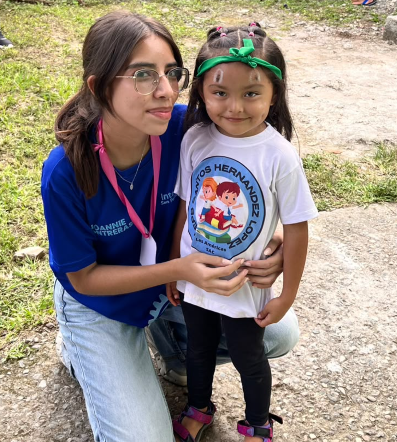
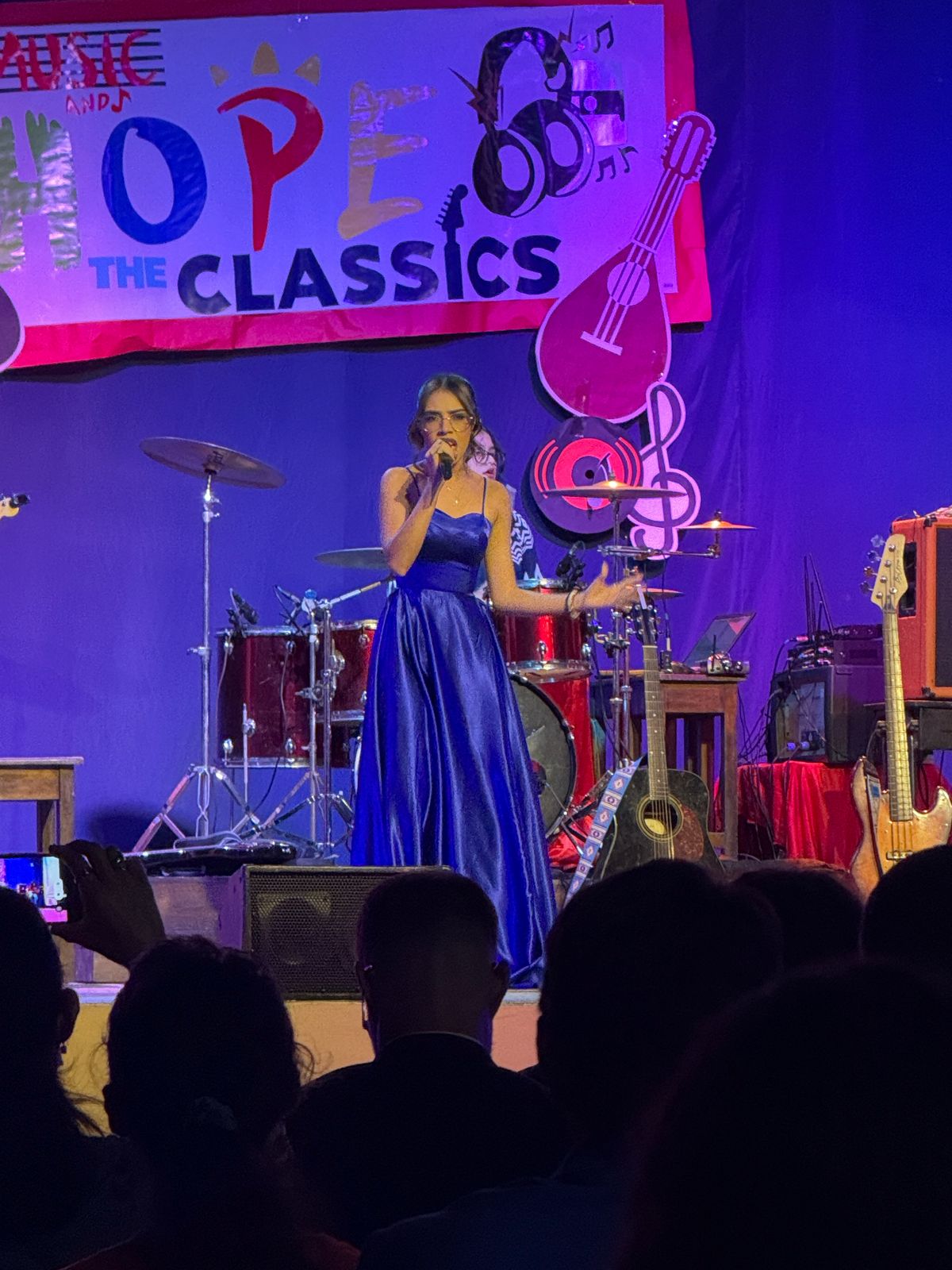
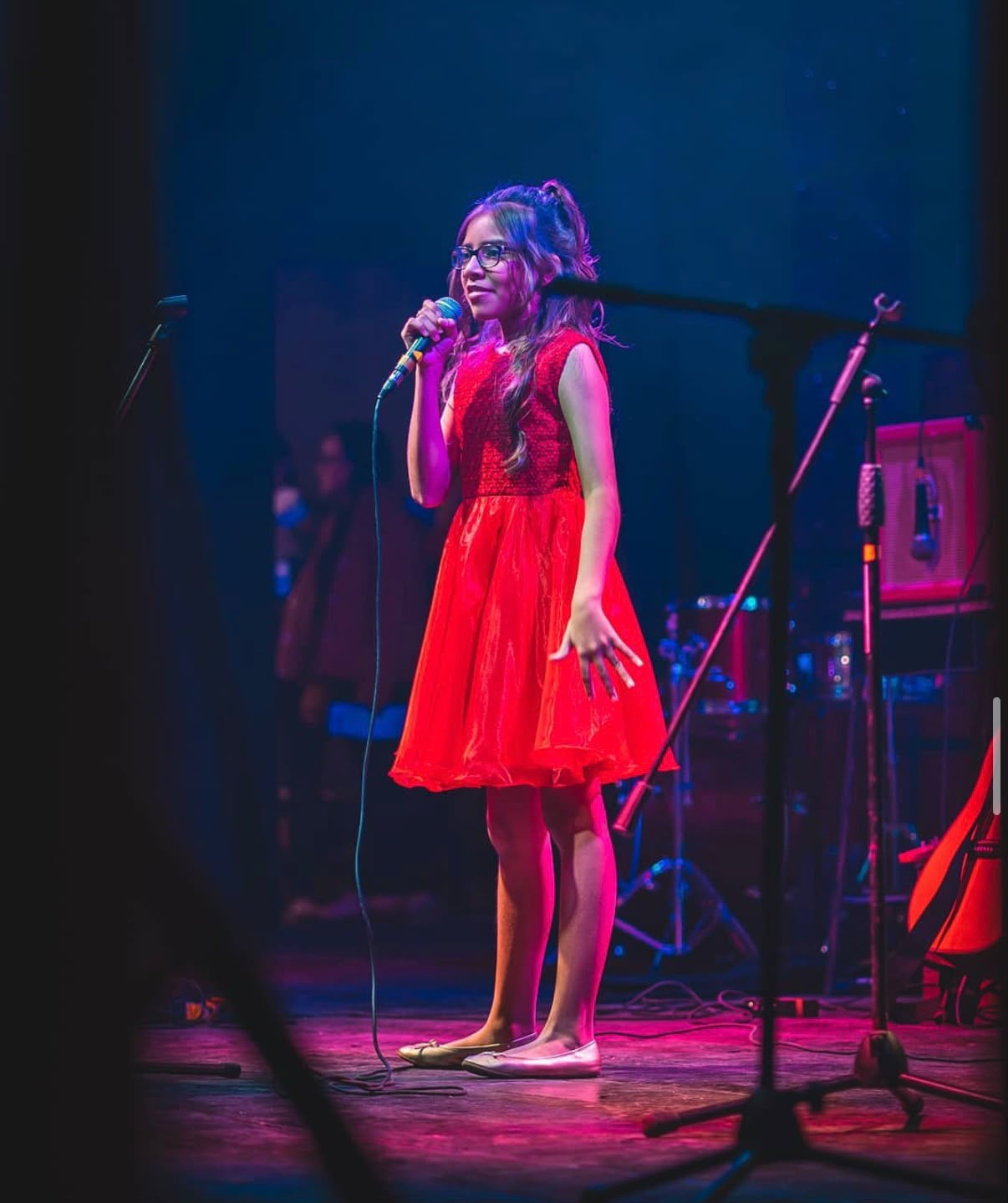
“One of the experiences that has had the biggest impact on me is Music and Hope, an event WIS has held for as long as I can remember. Students use their musical talents to raise money for causes they care about, and I first participated when I was in fourth grade after being selected from around 30 students who auditioned. Without hesitation, I chose the Children’s Cancer Foundation.”
“I had visited the foundation as a child and, although I was too young to fully understand everything the children were going through, I remember promising them I would come back. Years later, music gave me a way to keep that promise.”
“I continued participating in Music and Hope and, the following year, raised around 15,000 lempiras through audience sponsorships. After COVID-19, I returned and found both familiar and new faces. It reminded me that even when time passes, the impact of showing up can remain”.
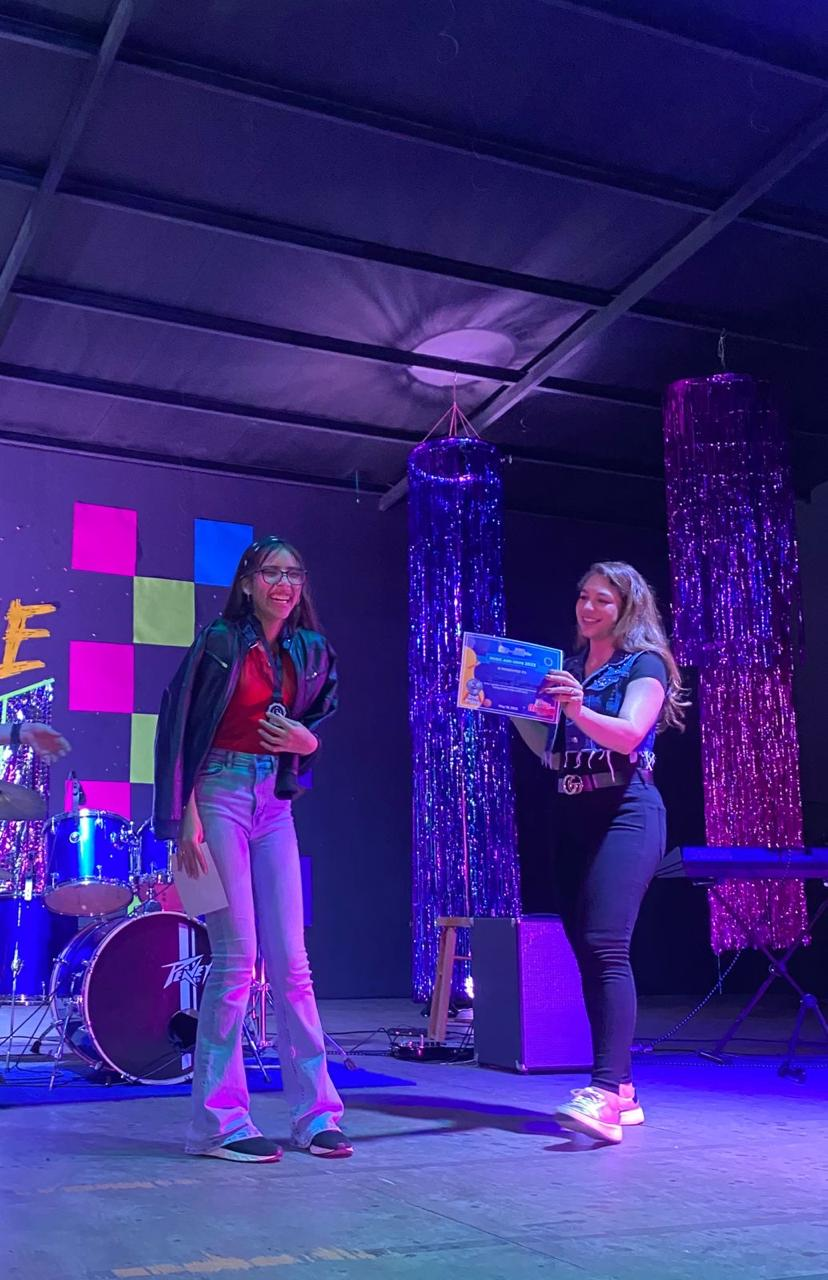
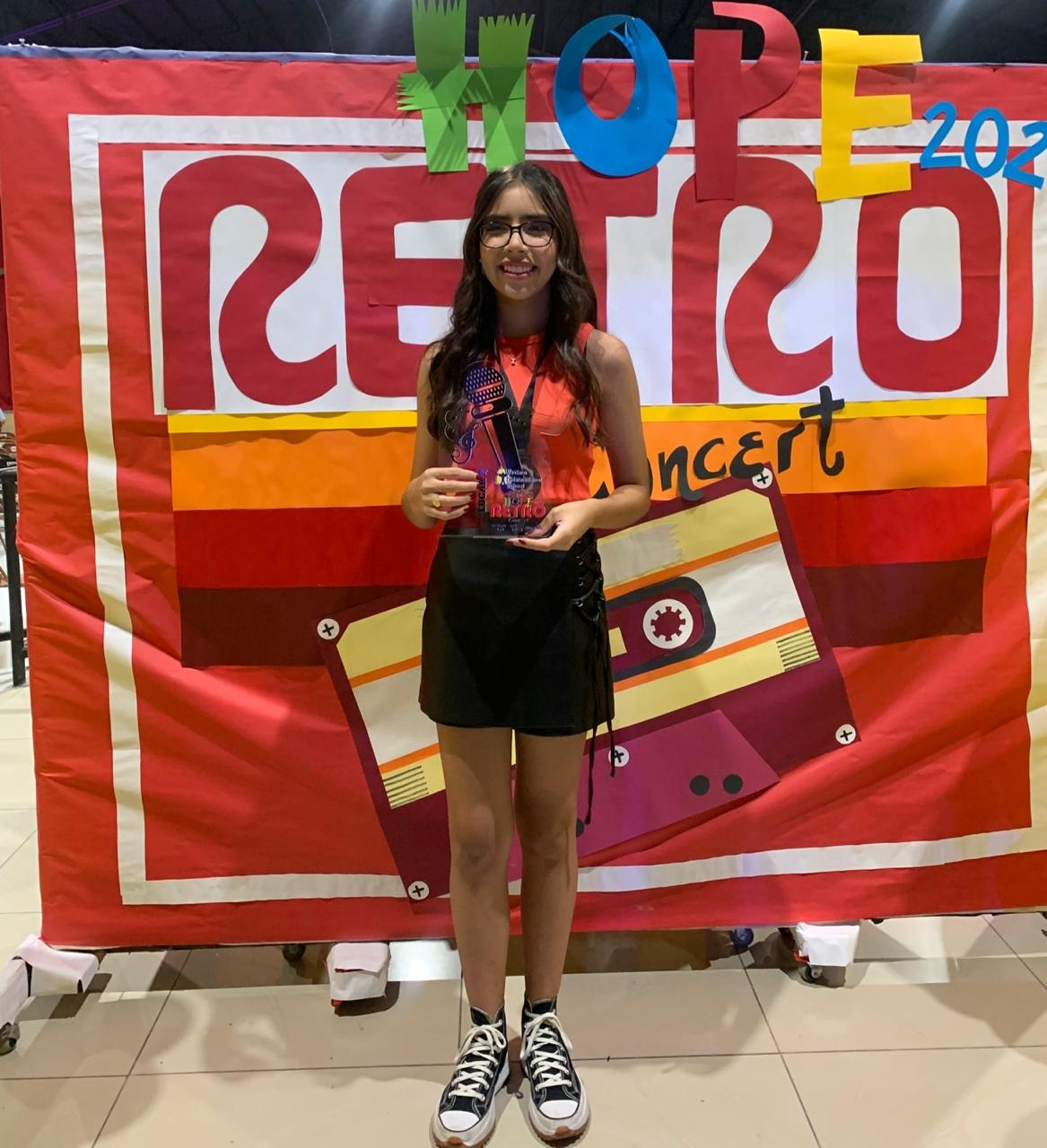
“Years later, Service became personal when fundraising efforts were organised for an elementary school teacher who had made a meaningful impact on me. He urgently needed heart surgery and could not afford it. My classmates and I organised fundraisers, and I decided to use music once again to contribute in the way I knew best. I rehearsed, built a band and gave everything I had to the performance. While singing, I thought about the Children’s Cancer Foundation, nursing homes, animal shelters and every other cause I had served. In that moment, I realised why I loved music. Not simply because I could perform, but because I could turn something I love into something that helps someone else. I placed first in the first round and second in the finals, but the result mattered far less than knowing our efforts helped make my teacher’s surgery possible.”
“Music and Hope taught me that Service does not always require having more. Sometimes it means giving what you already have with purpose.”
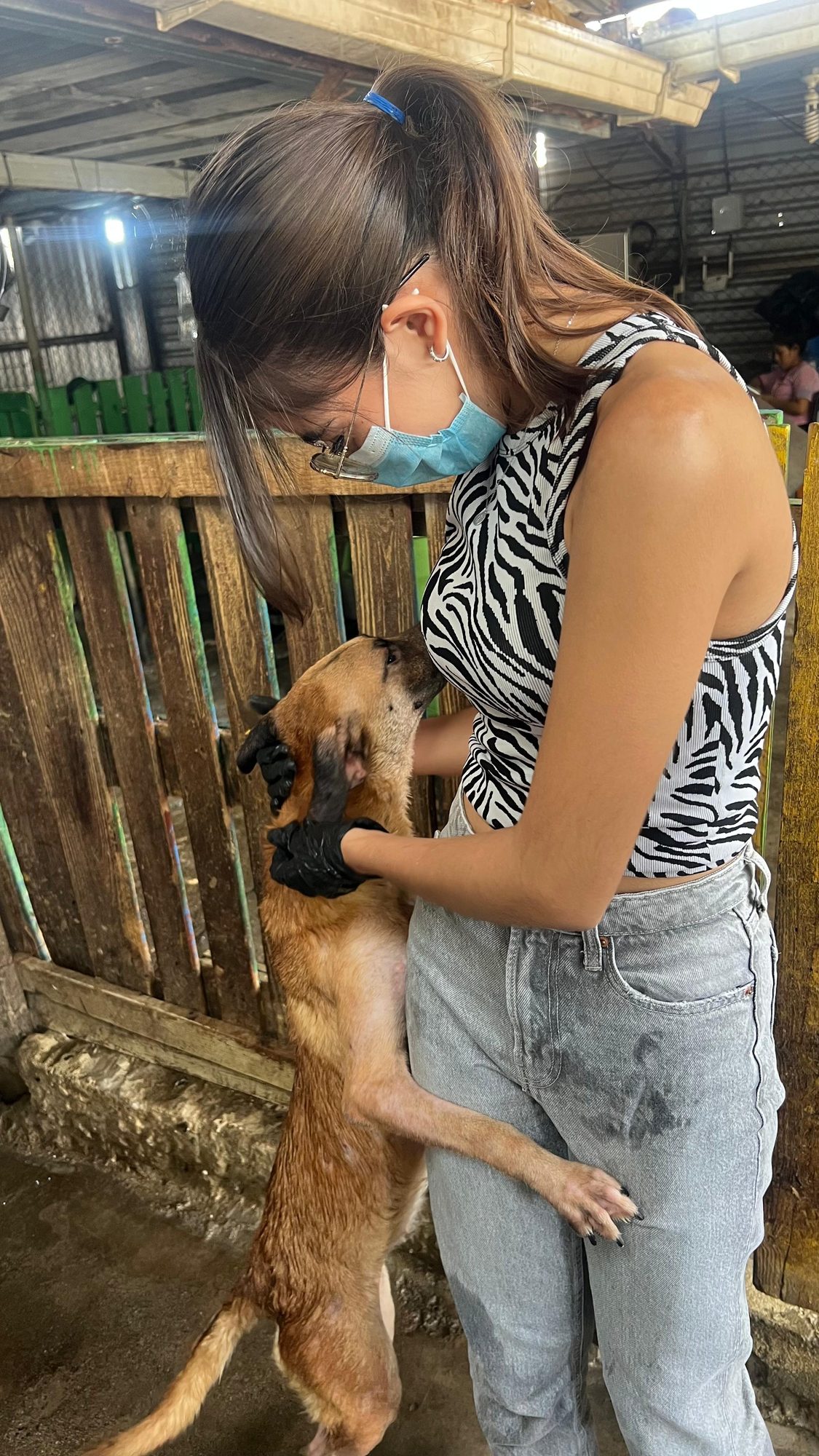
“For as long as I can remember, people have told me that I am emotional and sensitive. I have never taken that as an insult. If anything, I think it is one of the reasons I care so much. Since I was little, I have never been able to look at something that hurts someone else and feel nothing. Even before I understood the complexities of real life, I could sense when someone was being overlooked or when something important was not being treated as if it mattered. That feeling has stayed with me. It has grown into a principle I automatically follow: if I have the ability to help, how could I choose not to?”
“When I first met the children at the Children’s Cancer Foundation, I was too young to understand their circumstances, but I understood that they deserved to be cared for. The same feeling returned when my teacher needed emergency heart surgery. I could not simply know that someone who had once cared for me was struggling and remain still.”
“Leadership is another idea that has changed for me over time. A leader will never have the word “leader” written on their forehead. I have been told that I am one, but I have never really lived through that label. I was always seen as shy, quiet and simply smart. Over time, I learned that intelligence is not what makes a true leader. Emotional intelligence is. A leader does not mandate; they inspire and lift others. Leadership is not about being above people or standing in the spotlight. A leader can be right in the middle of the crowd because leadership is not defined by distance from people, but by connection to them.”
“I used to think Leadership was something you were either born with or you were not. Now I see it differently. Leadership develops through your values, your principles and the way you treat the people around you. The goal is not simply to lead people towards a result. It is to leave them more capable of leading themselves and others. That is the win-win of leadership: while you work together toward something greater, you are also creating more people who can carry it forward.”
“One of the greatest challenges I have faced is anxiety. I have always been a perfectionist, an overthinker and an overachiever. I care deeply about almost everything, and for a long time I thought that was something I needed to fix. When I was 13 or 14, the pressure and emotions I kept to myself turned into frequent panic attacks. The hardest part was not the panic itself. It was being ashamed of it. I could not understand how the girl who was supposed to have everything together could suddenly feel so out of control. I had made perfection my identity until anxiety forced me to realise that I had confused achievement with worth. Slowly, I returned to the parts of myself that existed before the grades: music, drawing, friends, family and all the little things that reminded me who I was.”
“My anxiety did not disappear when I fought it. It changed when I stopped seeing it as something that made me less of a person. I am emotional. I overthink. I care deeply and I always strive for more. Those same traits can exhaust me, but they are also what make me care enough to serve, create and keep going. I learned that overcoming something does not always mean getting rid of it. Sometimes it means learning how to carry it without letting it define you.”
“Receiving the first King Constantine Medal ever awarded at WIS was deeply unexpected. Of course I felt honoured. A part of me was simply happy and proud to make my family, friends and teachers proud too. But what touched me most happened after the ceremony.”
“Younger students started stopping me in the hallways to ask how they could help their communities and how I had started doing these things myself. That was when I realised the medal had become more than an award. It had made my actions visible to people who now believed they could make a difference too.”
Four things to consider when taking action:
- Start with what you already have. You don’t need special resources or influence to make a difference. For me, it was music. Service does not always require having more. Sometimes it means giving what you already have with purpose.
- Let gratitude lead to action. When you become aware of the opportunities and privileges you have, you begin to notice where others may need support. We are often taught to seek more to become better, but sometimes giving to someone who has less is what makes us better.
- Remember that small actions matter. Service is not only about large projects or fundraising campaigns. Sometimes it is making someone smile, listening to them, or helping them feel seen. You never know what someone is carrying silently or how much a single act of kindness can mean.
- Don’t wait for someone else. Never convince yourself that you are too young, too small, or that your contribution is insignificant. There are more than eight billion people in this world, and there will always be something that needs caring for. If not you, then who? And if not today, then when?