RS Conference 2026: Singapore International School, India
- School: Singapore International School, India
- Location: India
- Theme: Environment – Sustainability, Conservation & Community Action
- Age Group: 12-14 Years
- Date: 18-22 February 2026
One Earth, One Responsibility, One Goal
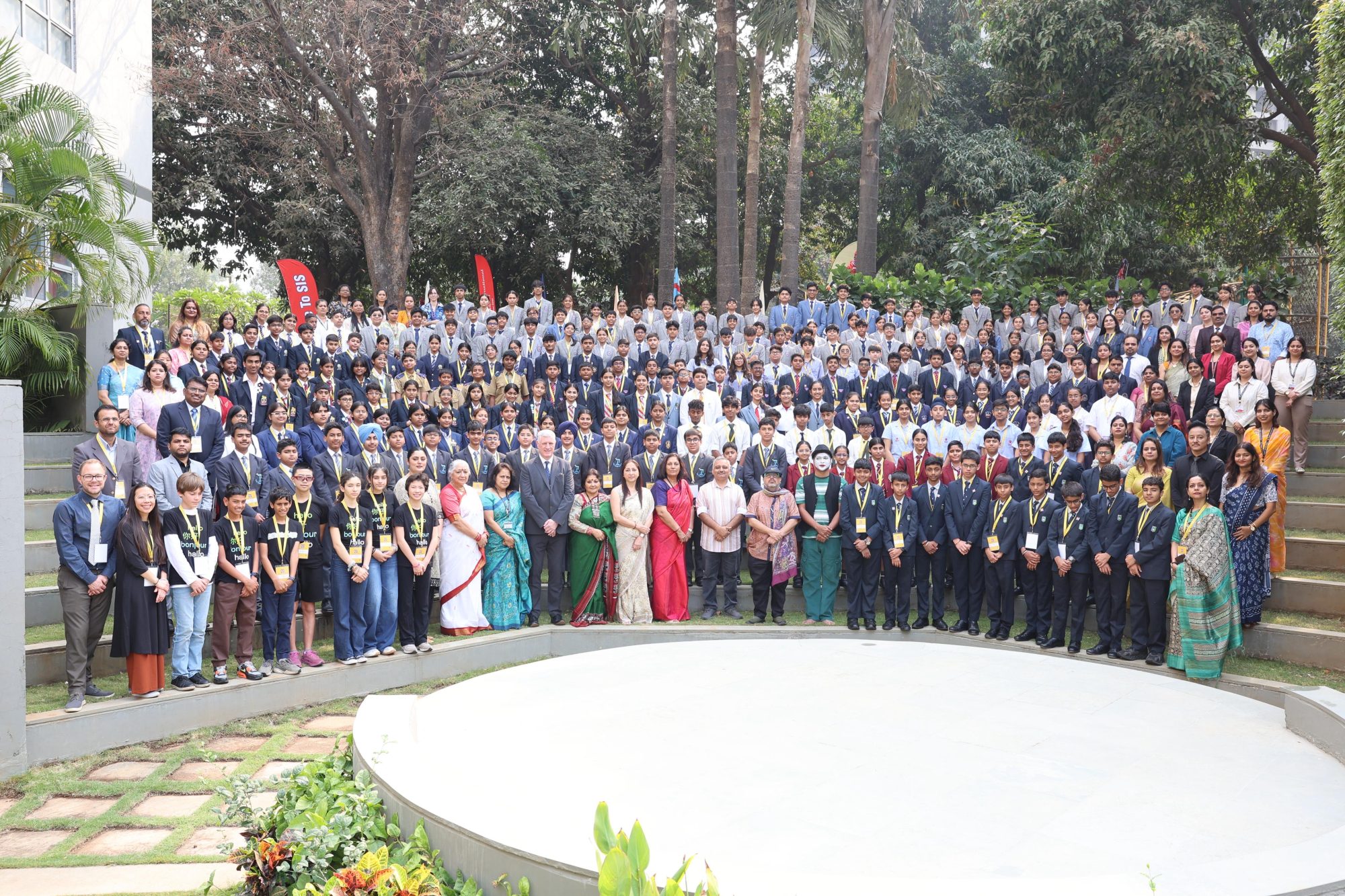
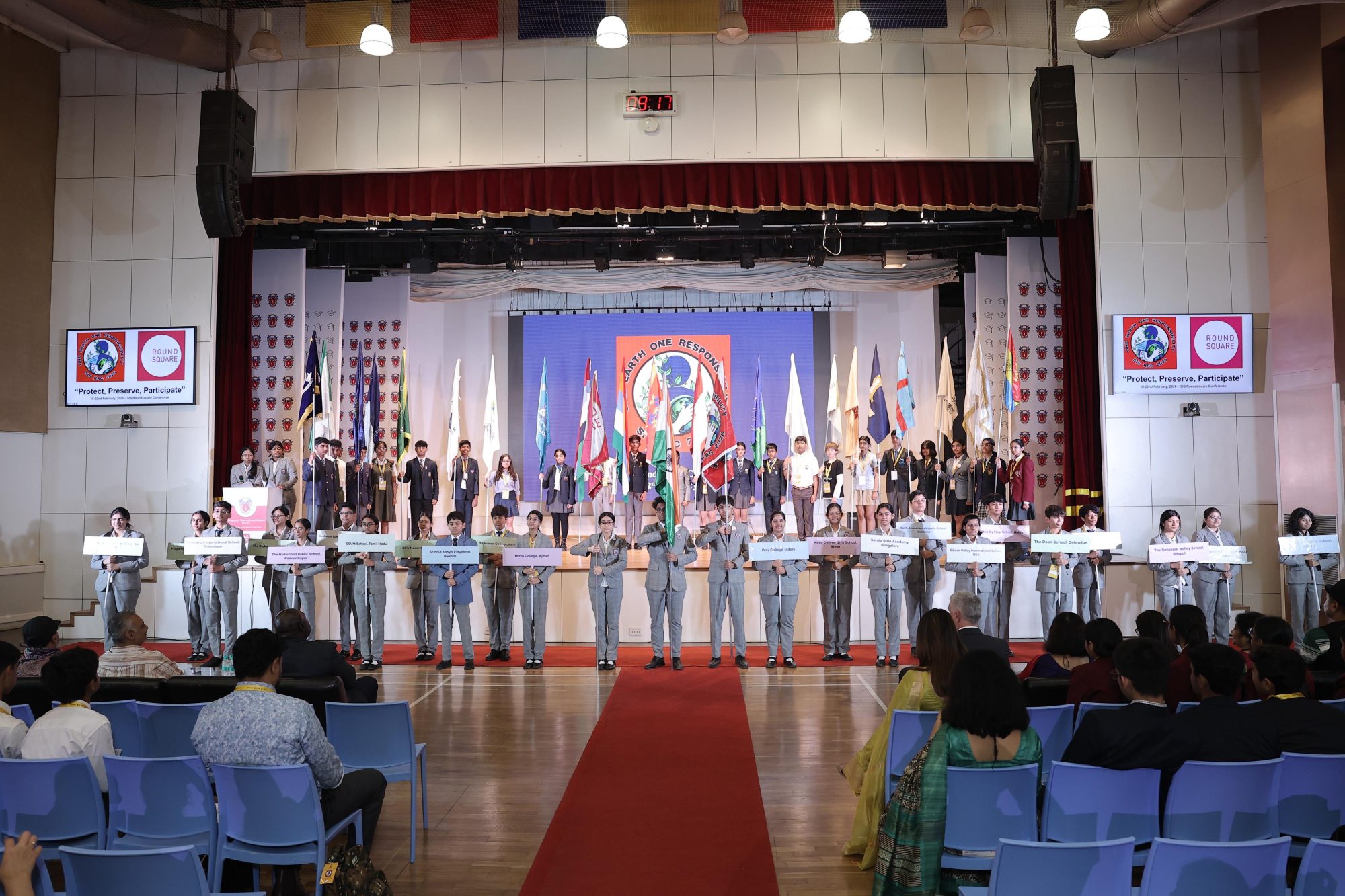
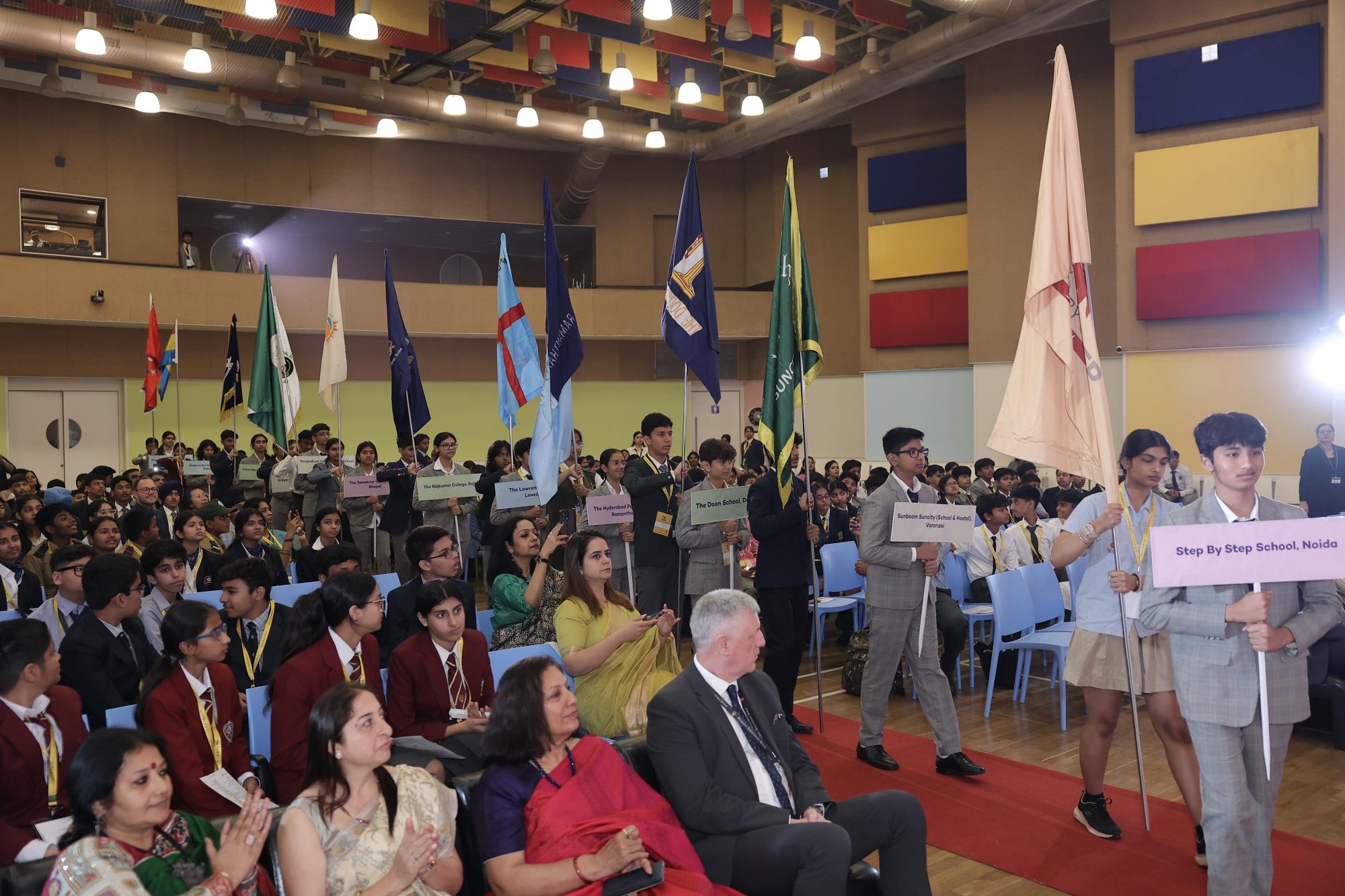
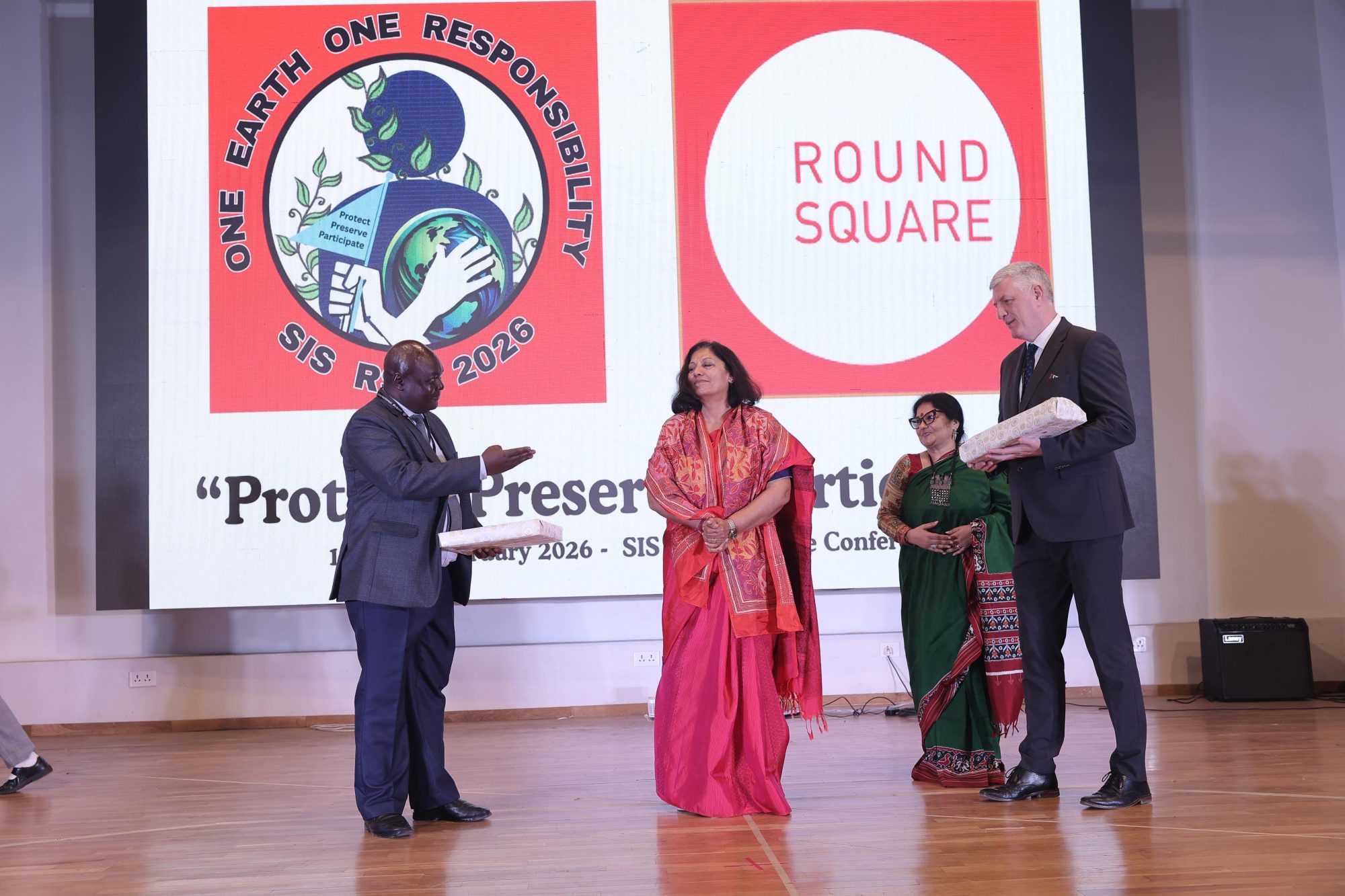
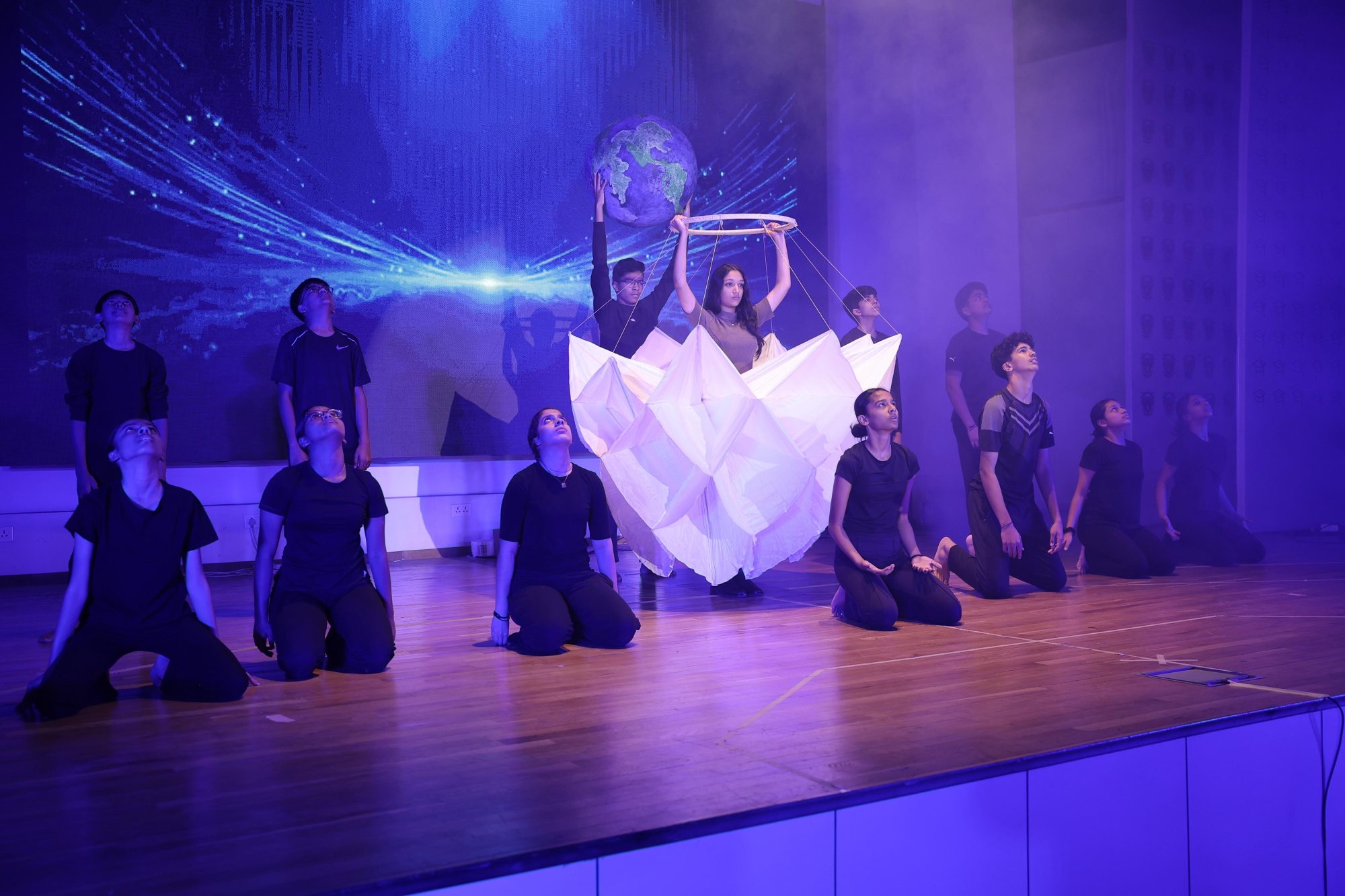
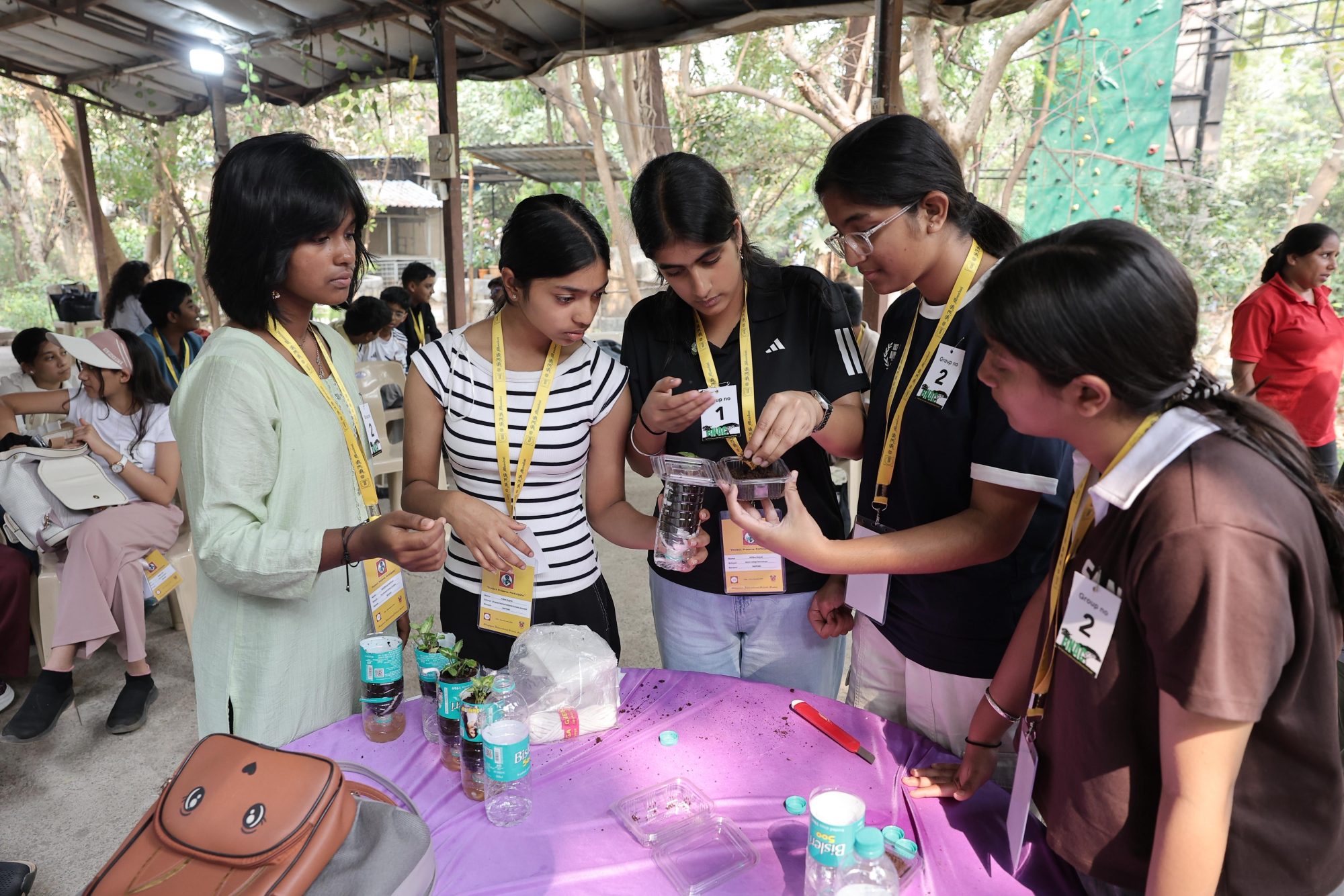
In February 2026, Singapore International School hosted a Round Square Conference centred on environmental responsibility. Over four days, students engaged in dialogue, creative problem-solving, service, and experiential learning designed to connect sustainability with personal and collective responsibility.
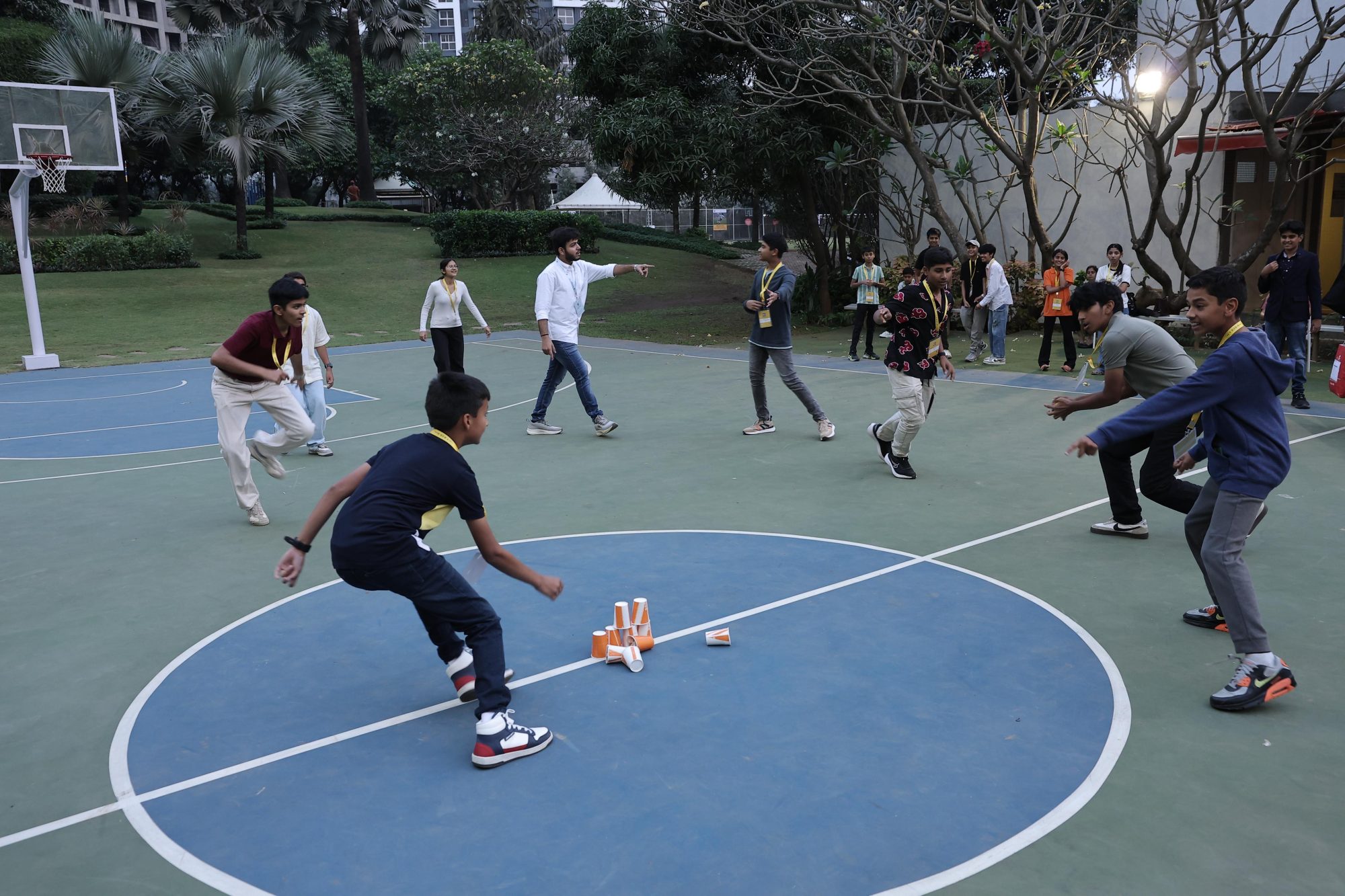
The conference began with campus orientation and structured ice-breakers to help delegates build rapport before formal proceedings commenced. Establishing this early sense of community proved important once students moved into more demanding discussions and leadership roles.
Student Leadership in Baraza
Baraza groups were a central feature of the programme. Students facilitated conversations among peers from different schools and cultural contexts, exploring themes raised by keynote speakers and linking them to practical action.
One Baraza Leader reflected:
“Leading a Baraza made me realise that leadership is not about speaking the most, but about listening deeply. When students from different countries shared their perspectives on sustainability, it changed the way I see my own responsibility.”
Students also balanced visible leadership with operational responsibilities. As one organiser noted:
“The biggest challenge was coordinating behind the scenes while also participating in sessions. But seeing everything come together in the end was incredibly rewarding.”
Keynotes and Creative Upcycling
The keynote sessions provided intellectual framing for the conference theme. Mr Subhajit Mukherjee, widely known as the “Green Man of Mumbai” for his work in water conservation and urban environmental advocacy, focused on water security. His statement, “If there is blue, there is green,” referred to the relationship between water availability and ecological health. Without sustainable water systems, vegetation, agriculture and biodiversity cannot be sustained. He encouraged students to consider how daily consumption habits affect long-term environmental stability.
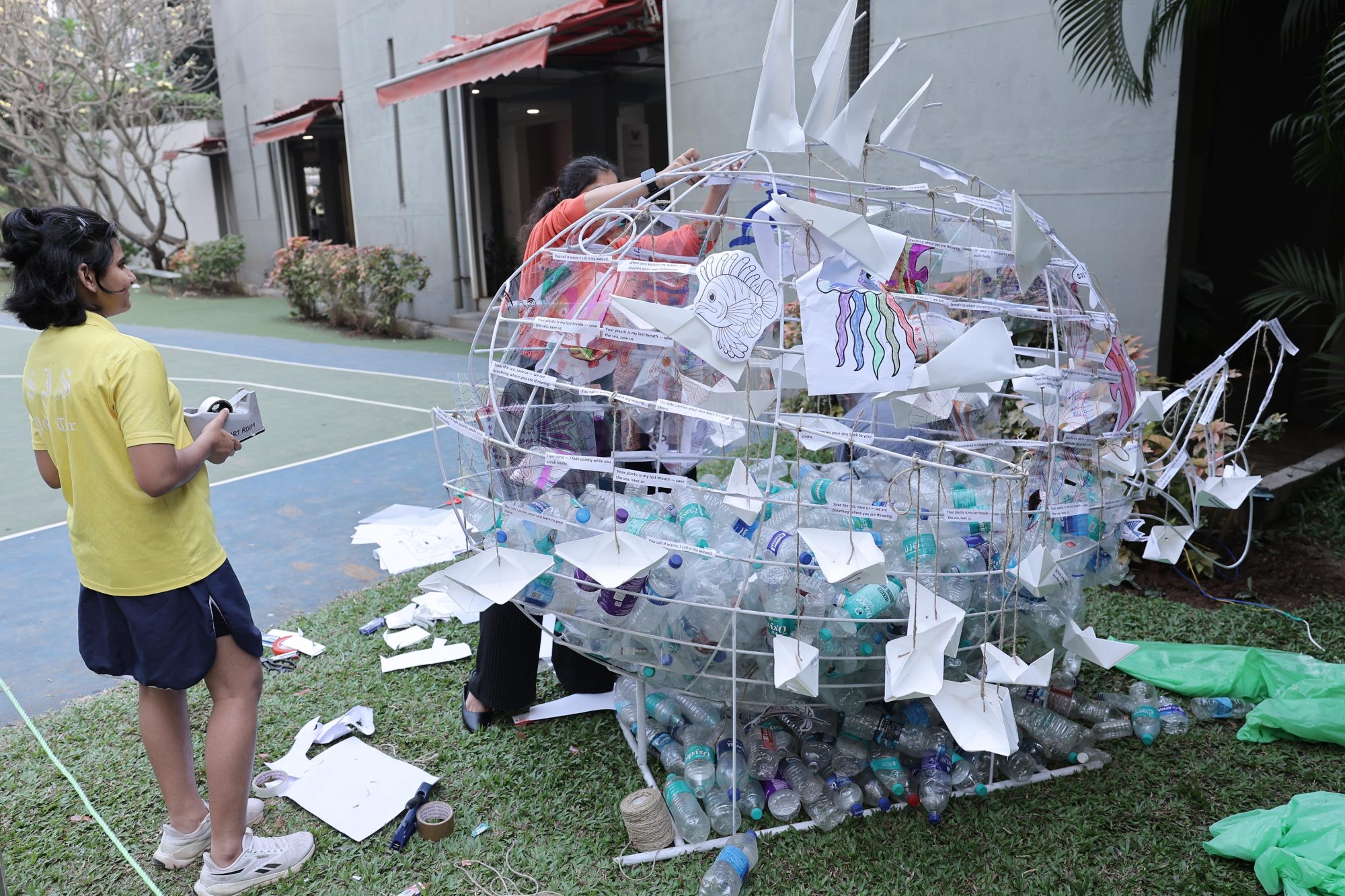
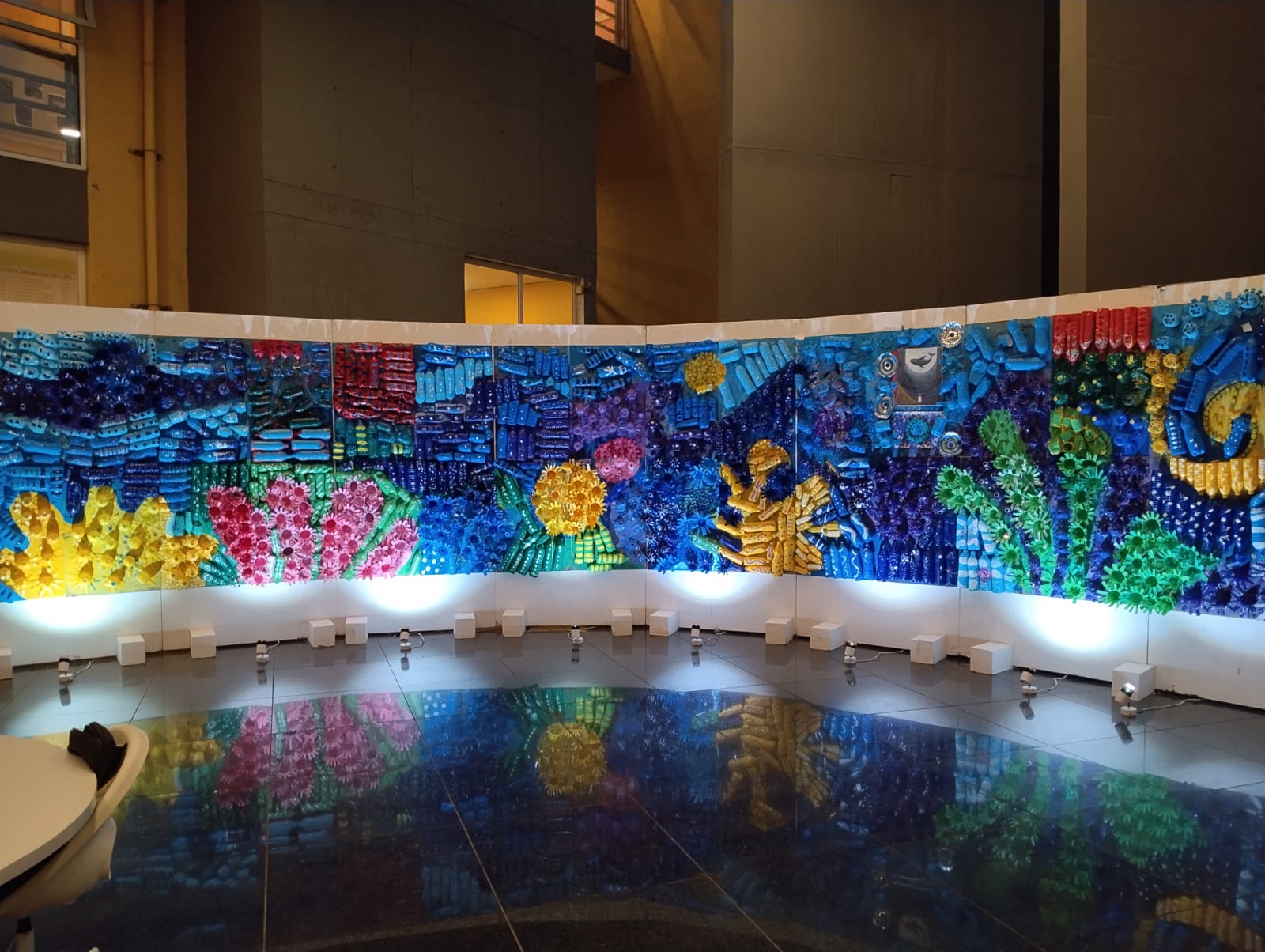
A defining feature of the conference was the creation of Octet Seascape, a large-scale installation constructed from over 5,000 upcycled PET bottles. Developed collaboratively, the eight-panel mural depicted marine biodiversity from phytoplankton to apex predators, with embedded plastic bottles symbolising the intrusion of waste into fragile ecosystems.
More than an art project, the installation functioned as an experiential learning process. Students transformed discarded materials into a visual argument for conservation. The work highlighted mangroves, coral reefs, seagrass meadows, kelp forests and marine mammals, drawing attention to interconnected ecosystems.
The message was deliberate: in protecting oceans, we protect ourselves.
Organisational Learning at Scale
Behind the student-facing programme, hosting required significant coordination across operations, academics, logistics, hospitality and external partnerships.
Despite detailed preparation, organisers noted the dynamic nature of the process. Session timings required adjustment. Transitions needed recalibration. Logistical demands shifted in real time.
One of the most important institutional insights was that flexibility is as important as planning. Hosting strengthened inter-departmental collaboration and deepened understanding of student agency at scale.
Several elements worked particularly well:
- Student-led Barazas that created psychologically safe spaces for dialogue
- Clear alignment between service activities and the conference theme
- A culture of hospitality that ensured delegates felt welcomed and valued
Looking ahead, organisers identified refinements for future conferences:
- Building additional buffer time between sessions
- Creating more informal spaces for organic student interaction
- Introducing structured end-of-day student reflection circles to capture learning in the moment
These reflections offer practical guidance for schools preparing to host.
Four takeaways for leading a Round Square conference
1. Student Leadership Thrives with Responsibility
When students are given meaningful roles—such as facilitating Baraza discussions or mentoring peers—they develop empathy, courage, and cross-cultural understanding. As one student reflected, “Leadership beyond borders begins with empathy, not authority.” Clear roles and ownership empower students to lead confidently while learning collaboratively.
2. Experiential Learning Makes Themes Tangible
Immersive activities, such as field visits and structured reflection, turn conference themes into lived experience. Encounters with local environments and communities help students connect values to action. As a delegate noted, “This conference showed me that warriors beyond frontiers are those who build bridges, not walls.”
3. Thoughtful Planning Supports Flexibility
Well-defined roles, structured domains, and early logistical preparation enable smoother execution and allow schools to adapt to challenges. Vice Principal Keyuri Gohil emphasised, “Hosting the conference taught us flexibility as registrations continued until the last moment.” Strong planning underpins both student learning and operational success.
4. Hosting Strengthens School Systems and Culture
Beyond immediate logistics, hosting a conference reinforces teamwork, decision-making, and institutional resilience. Principal Yash Saxena advised, “Define the theme based on your strongest Round Square pillar… The better the planning, the smoother and more effective the execution.” Hosting becomes a catalyst for holistic development across the school community.