Siddhartha Manaktala, Pathways World School, India – Highly Commended, Kurt Hahn Prize
Siddhartha Manaktala of Pathways World School, India, was Highly Commended in the Kurt Hahn Prize 2026 for EyeSpy, an AI-powered platform designed to make eye health screening more accessible. Inspired by his grandmother’s experience and driven by a desire to address preventable blindness, Siddhartha combined a passion for technology with direct service in local communities. Along the way, he discovered that creating change is not a solo endeavour, but a journey built on resilience, collaboration and belief in a purpose worth pursuing.
“EyeSpy started with a question I couldn’t stop thinking about. My grandmother was diagnosed with diabetic retinopathy. Because it was detected early, doctors were able to prevent the disease from progressing and she didn’t lose her sight. I remember the relief we all felt. Afterwards, I kept asking myself how many people in India ever get access to that same opportunity for early screening.”
“As I researched the issue, I realised the problem wasn’t that treatment didn’t exist. The problem was access. Millions of people live with undiagnosed vision problems because of cost, distance, awareness and the lack of healthcare infrastructure. At the same time, I was interested in computer science and thinking about a Personal Project. More than 650 million people in India have access to smartphones, so I started asking whether technology could help bridge that gap.”
“The challenge was that I wasn’t a biology student. I hadn’t studied biology since eighth grade. I had no medical background and no experience with machine learning. There I was, a high school student deciding that these were problems I would somehow solve along the way.”
“I taught myself machine learning through online resources, YouTube tutorials, documentation and a lot of trial and error. Building the technology was difficult, but one of the biggest challenges was finding people who believed in what I was trying to do. I needed doctors to help me understand which diseases could realistically be detected and I needed support to access medical data and test the application.”
“I ended up writing around 200 cold emails to different hospitals, doctors and research institutes across India. Most never replied. Some people were sceptical of the AI aspect of the project. Others simply didn’t believe a student could build something useful in this area. There were many moments when people told me the idea wasn’t going to work.”
“In the end, I received one response. Luckily for me, that response came from the LV Prasad Eye Institute, the largest ophthalmology research institute in India and one of the leading institutes in the world. I had written to many different people there and, I think, they became curious. They invited me onto a call so they could understand whether I was genuinely trying to create something that would benefit society.”
“Those conversations led to an invitation to spend five days at their campus. That experience changed everything. I met ophthalmologists, researchers, innovators, software engineers and management experts. They challenged my thinking, offered feedback and helped me see flaws in my approach that I hadn’t recognised myself.”
“People often look at projects like EyeSpy and see one person behind them, but that isn’t really how it works. EyeSpy would not be where it is today without the support of Pathways, my mentors, the doctors who gave their time, and everyone at LV Prasad Eye Institute who was willing to share their expertise. The project became stronger because other people believed in it and helped shape it.”
“One of the biggest lessons was learning not to give up. The number of times the model failed, the number of times people said no, and the number of times I was told the idea wouldn’t work was huge. There were long periods where it felt like I was working incredibly hard without making any real progress. But I genuinely believed the project could help people, and that belief kept me moving forward.”
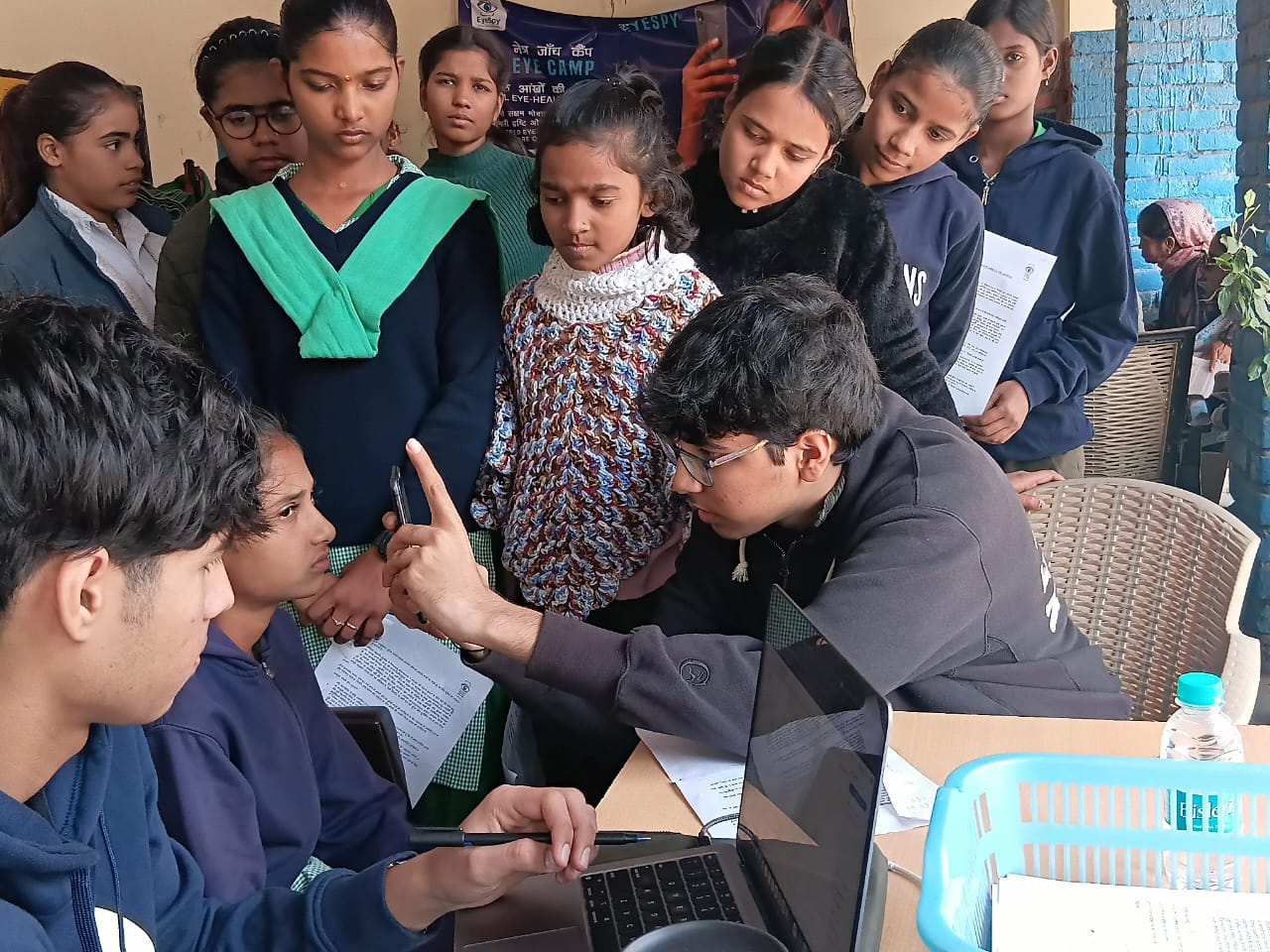
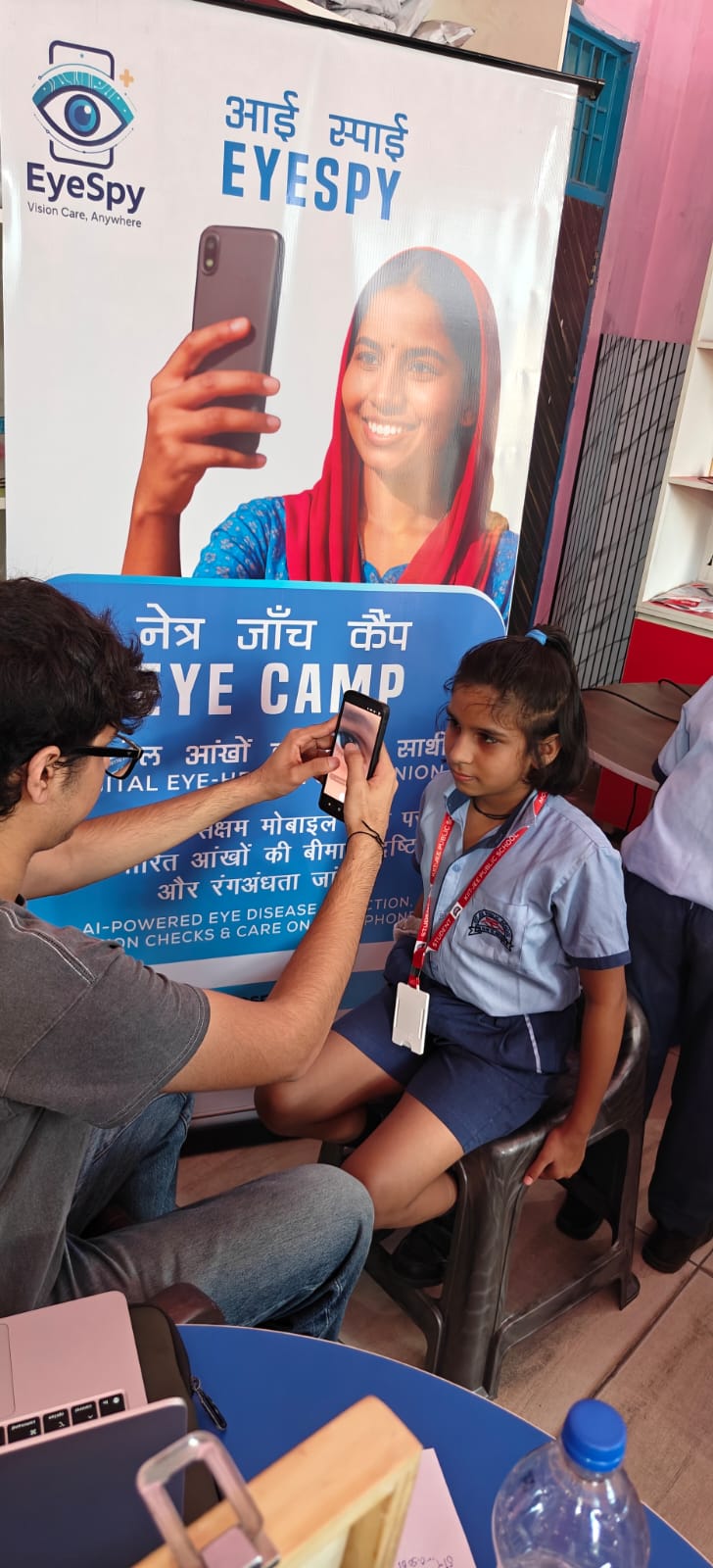
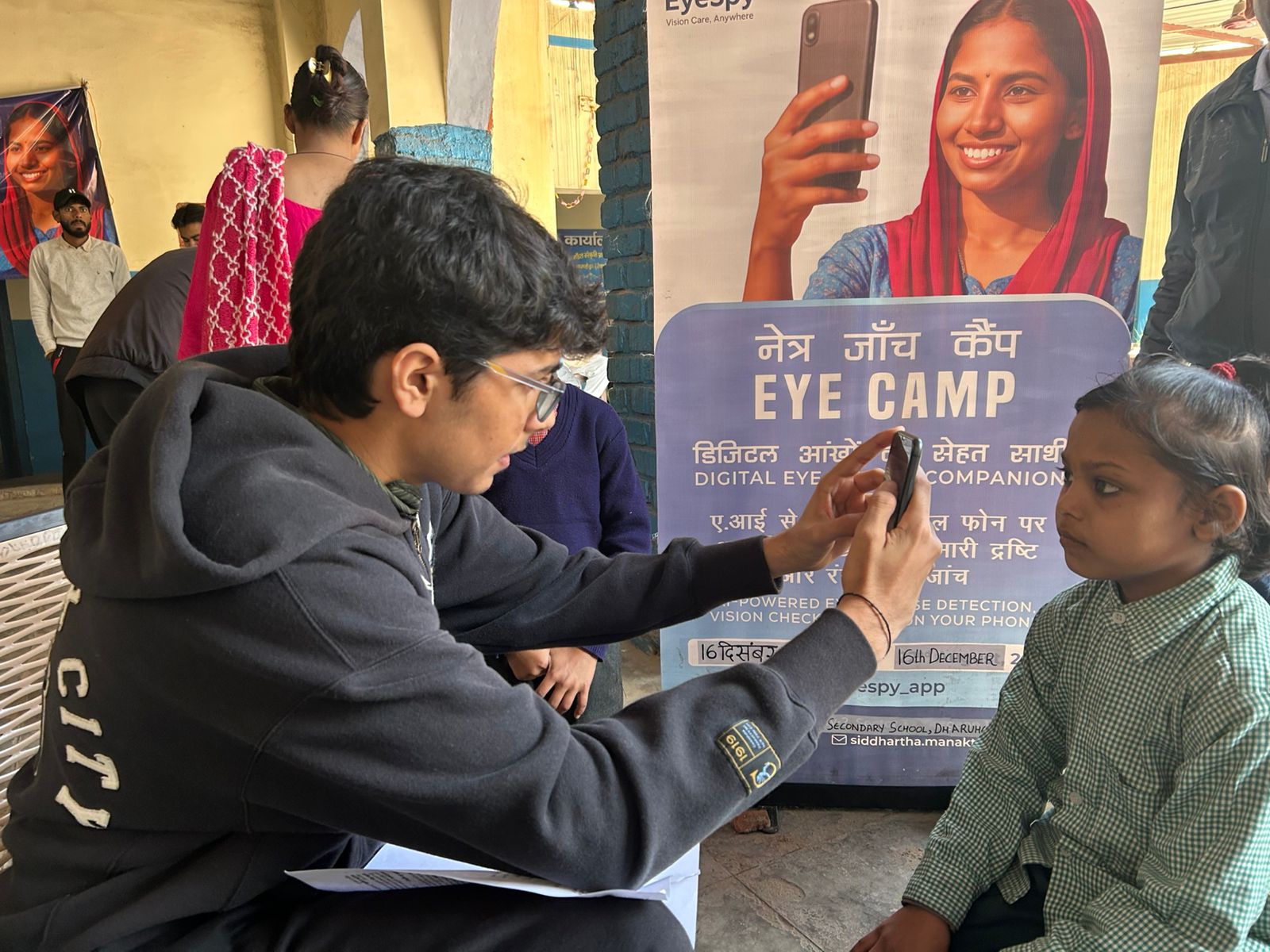
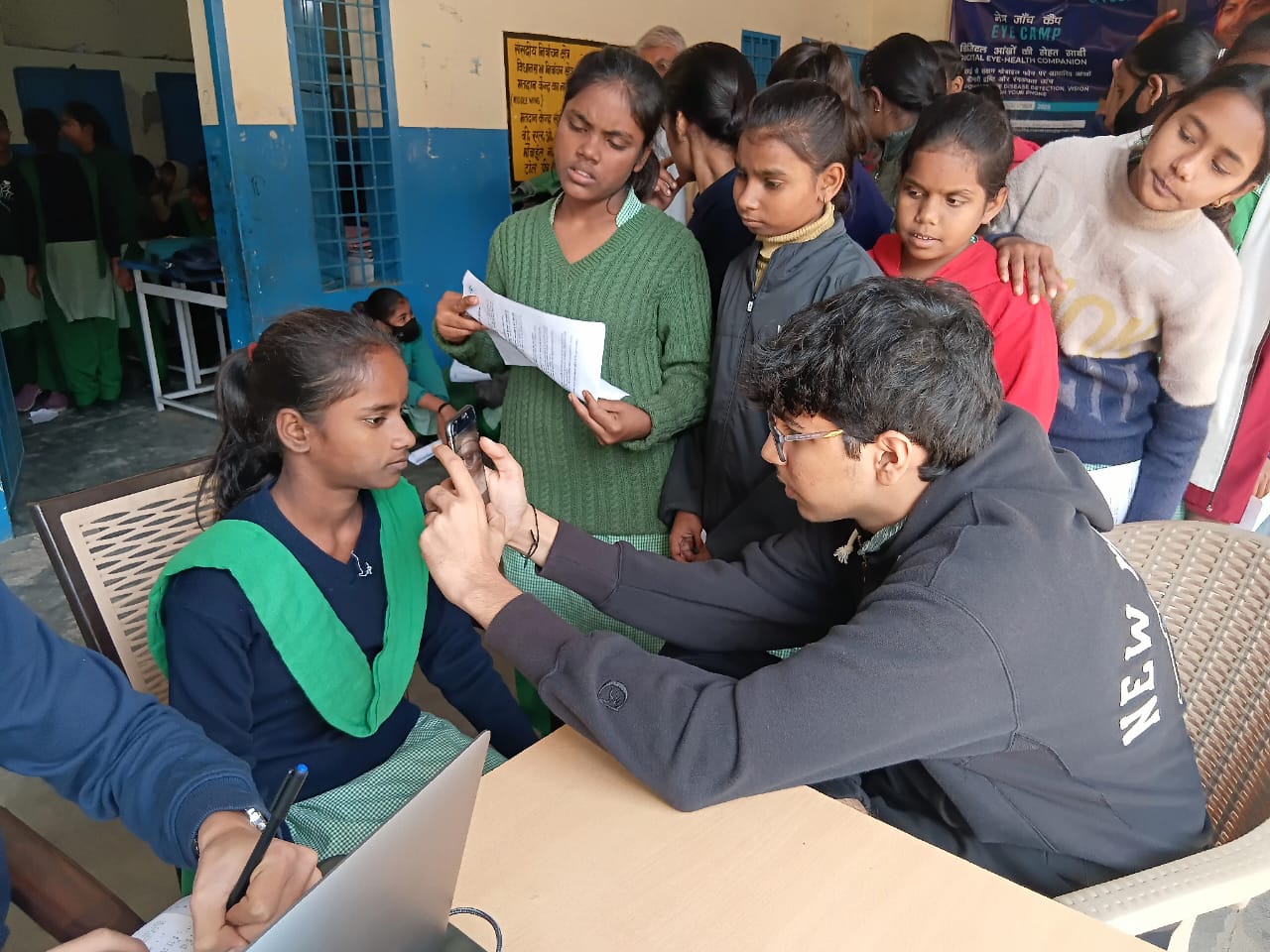
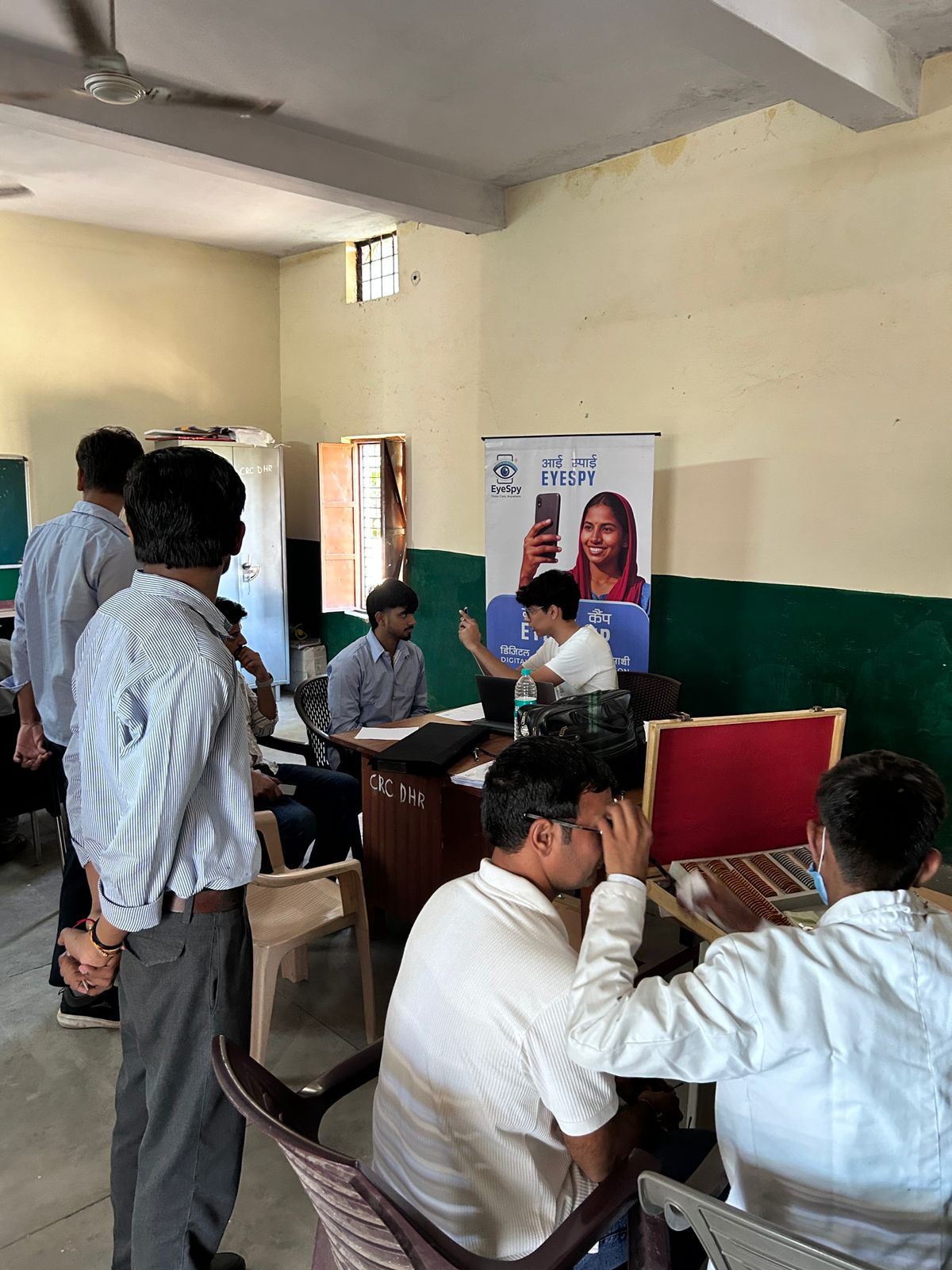
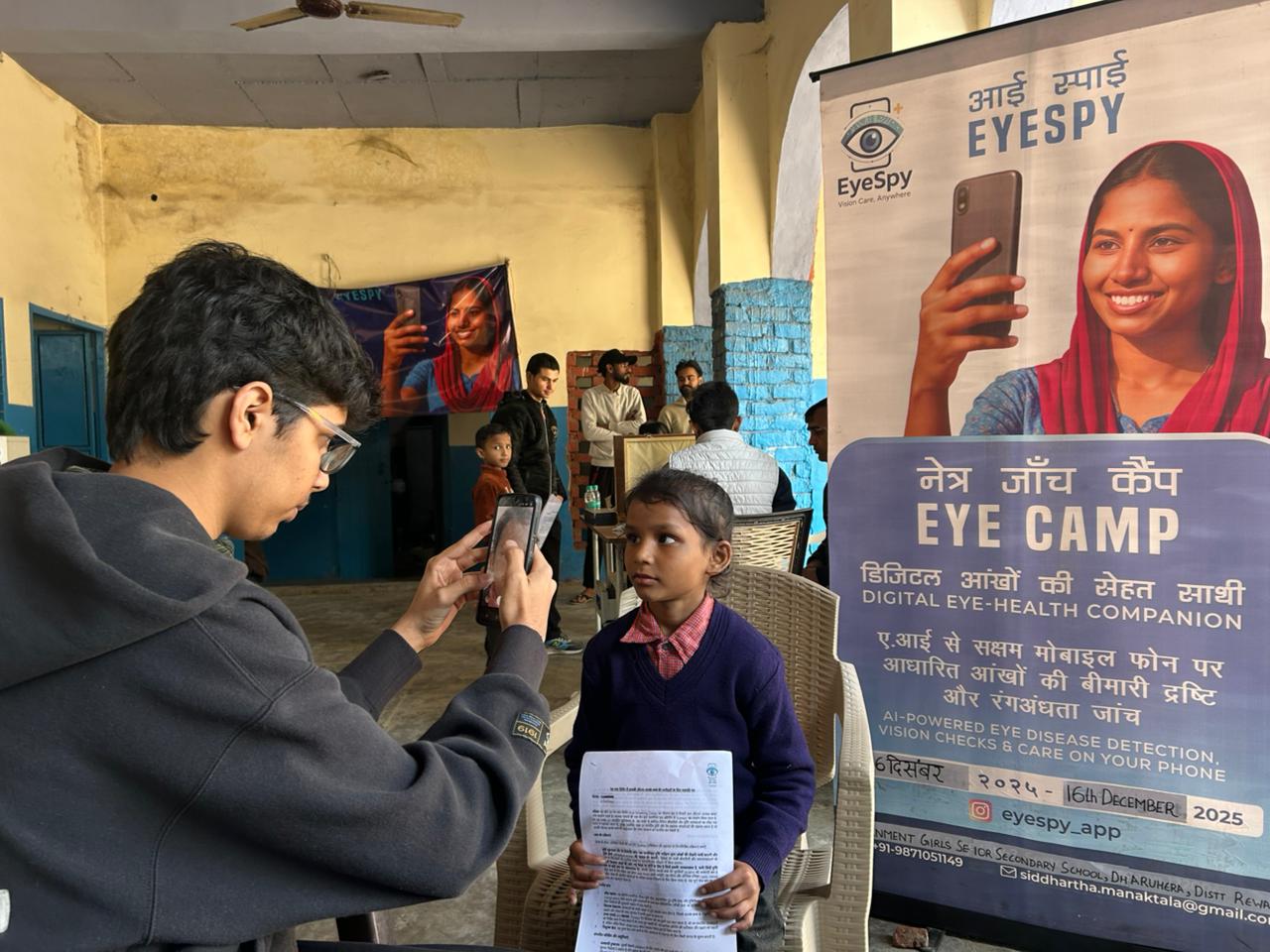
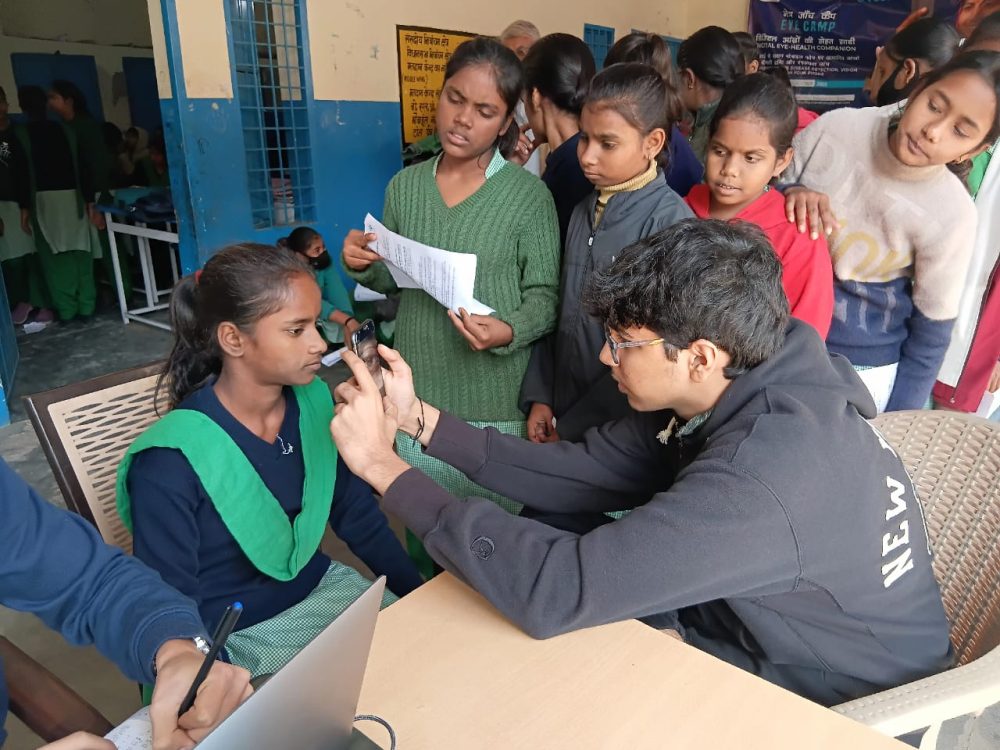
“My grandmother’s experience was always part of that motivation, but so were the people I met through the project. Across the eye camps I conducted, I saw firsthand how many people needed support. Many had never had an eye examination before. Some needed glasses, some had eye diseases, and many simply didn’t know where to go for help.”
“When I started organising eye camps in suburban and rural communities, the project stopped being just about technology. It became about people. I met students who had spent years struggling to see clearly in classrooms. I met workers who knew something was wrong with their eyesight but couldn’t afford regular check-ups. I met families navigating social stigmas around wearing glasses. Those conversations made the problem real in a way that statistics never could.”
“The camps also changed my understanding of leadership. People often think leadership means one person making decisions for everyone else. I don’t see it that way. I think true leadership is helping people move in a direction they need to go and enabling them to take action themselves.”
“Some of the doctors who worked with me at the camps initially came because I asked for help. Once they saw the need in the communities we were serving, many became motivated to continue volunteering and supporting similar initiatives themselves. For me, that was one of the most meaningful outcomes. The project was creating impact beyond what I could do as an individual.”
“Being Highly Commended in the Kurt Hahn Prize is obviously a huge personal achievement, but what it means to me goes beyond recognition. It gives me credibility. As a student, it helps me approach doctors, research institutes, schools and organisations and show that the work has been validated. It opens doors that might otherwise remain closed.”
“EyeSpy is still evolving. We’re working on new features, improving accessibility and expanding language options so more people can use the platform. But the most important thing I’ve learned is that technology on its own doesn’t create change. Real change happens when technology, people and purpose come together.”
“If I could offer one piece of advice to another student starting a passion project, it would be this: find something you genuinely care about and then take that bet on yourself. Believe that you can achieve something worthwhile, even when there are challenges and even when other people doubt you. That belief in yourself is often the difference between giving up and pushing through.”
“Round Square to me means embracing your best self. I think it means going ahead and accepting other cultures, interacting with different people. pursuing your passion, giving back to society. The Round Square IDEALS truly help you as a student become your best version and help you discover yourself as well. You learn new things about yourself. You learn new things about the world. I think that truly makes you into your best version.”