A King Constantine Medal Story: Teodor Matricala, Paradis International College, Romania
Teodor Matricala, from Paradis International College in Romania, has been awarded his school’s 2026 King Constantine Medal in recognition of his commitment to service, leadership and international understanding. From helping to organise his school’s first Round Square Conference to leading the Round Square Committee and launching Robotics Without Borders, Teodor has focused on creating opportunities for others to connect, contribute and lead.
“My involvement in Round Square did not begin with one defining moment. It grew gradually through experiences that changed the way I saw leadership, service and international collaboration.”
“At first, I was simply curious. I watched older students at my school returning from Round Square conferences full of stories, new ideas and friendships from around the world. I wanted to understand what made these experiences so meaningful.”
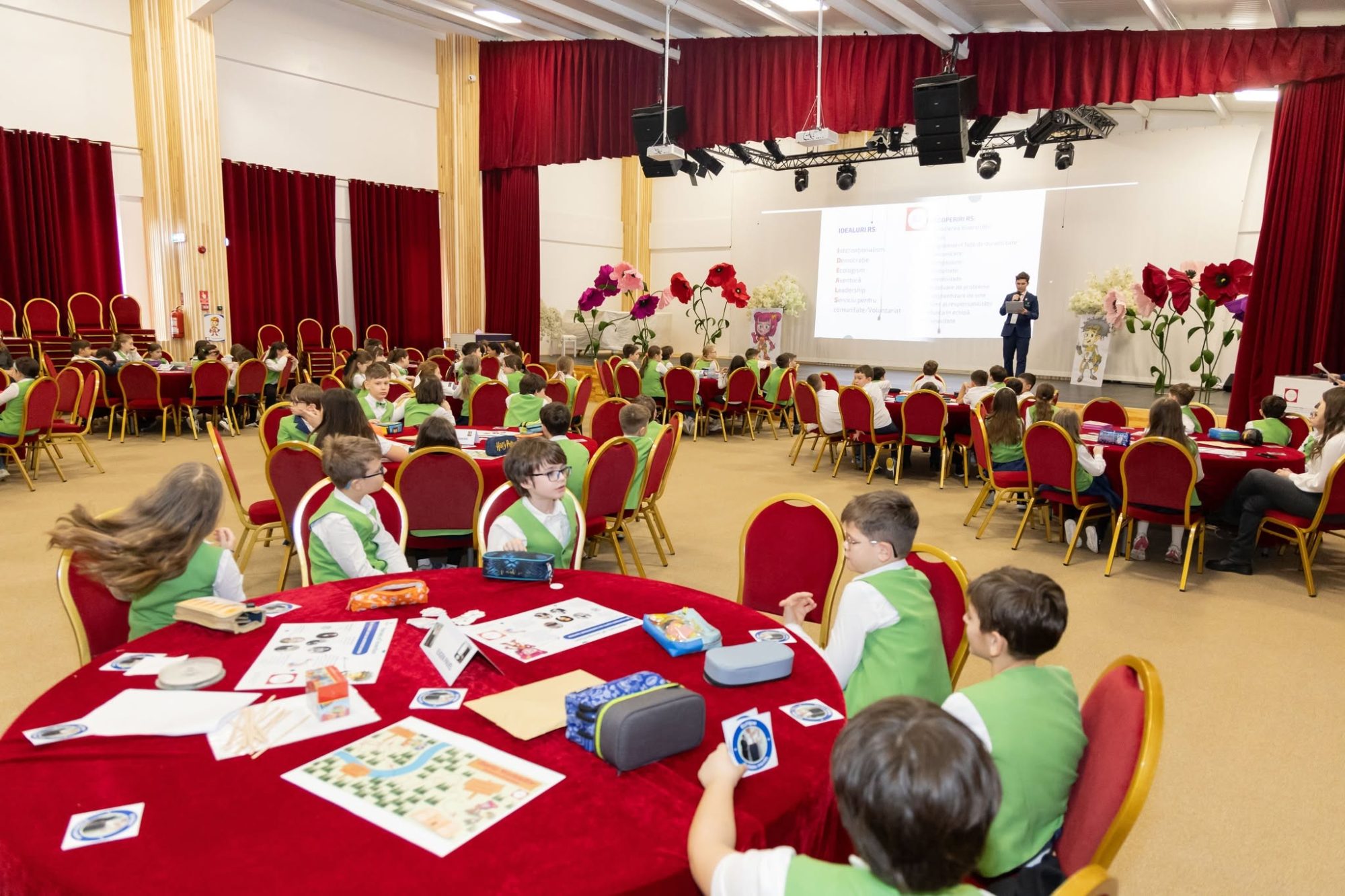
“My first opportunity came in June 2024, when I helped organise A Mountain of Science, the first Round Square Conference hosted by Paradis International College. It was my first real experience of the Round Square community. I saw students from different countries learning from one another, sharing ideas and working together with a natural sense of openness and respect.”
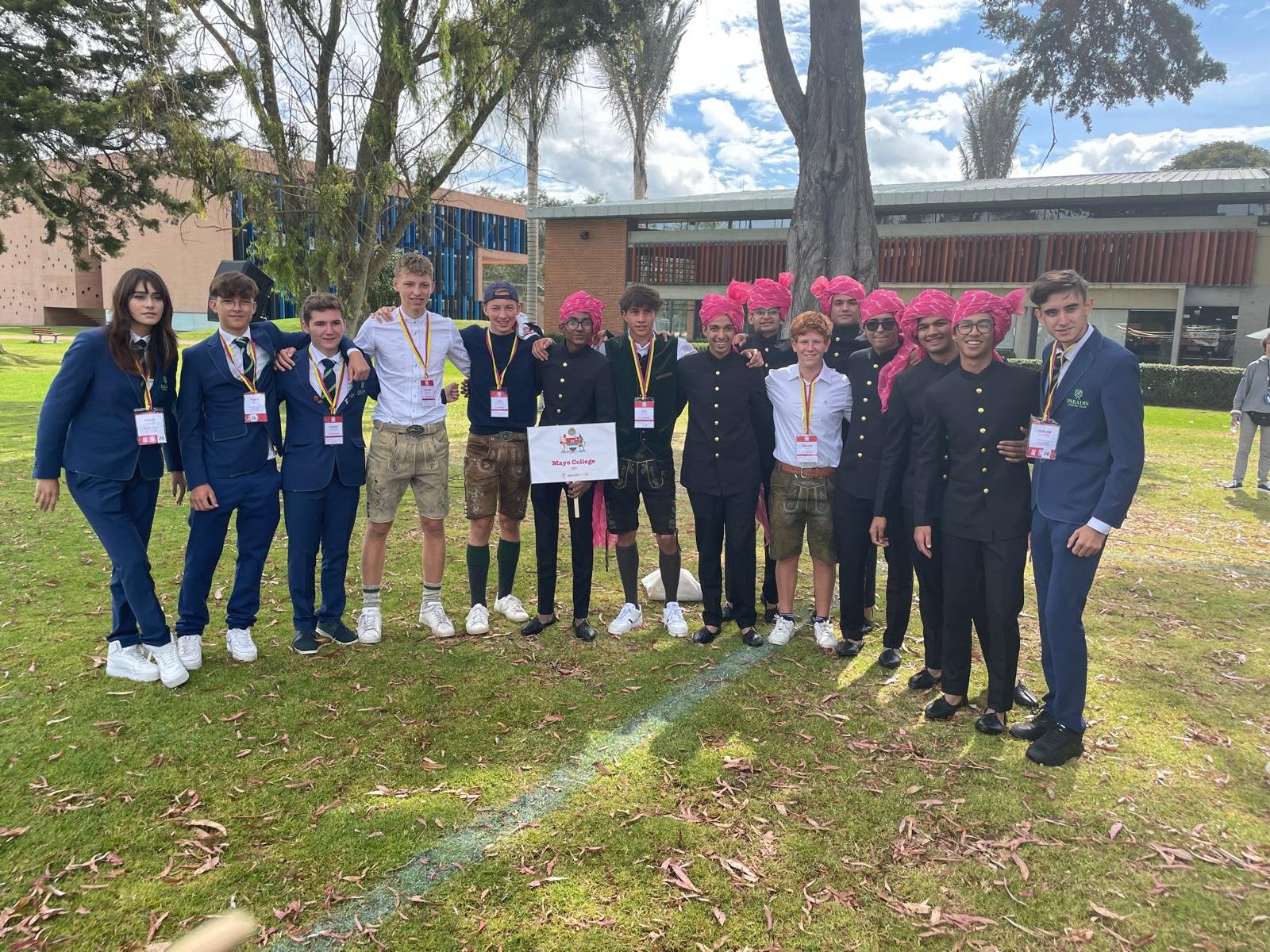
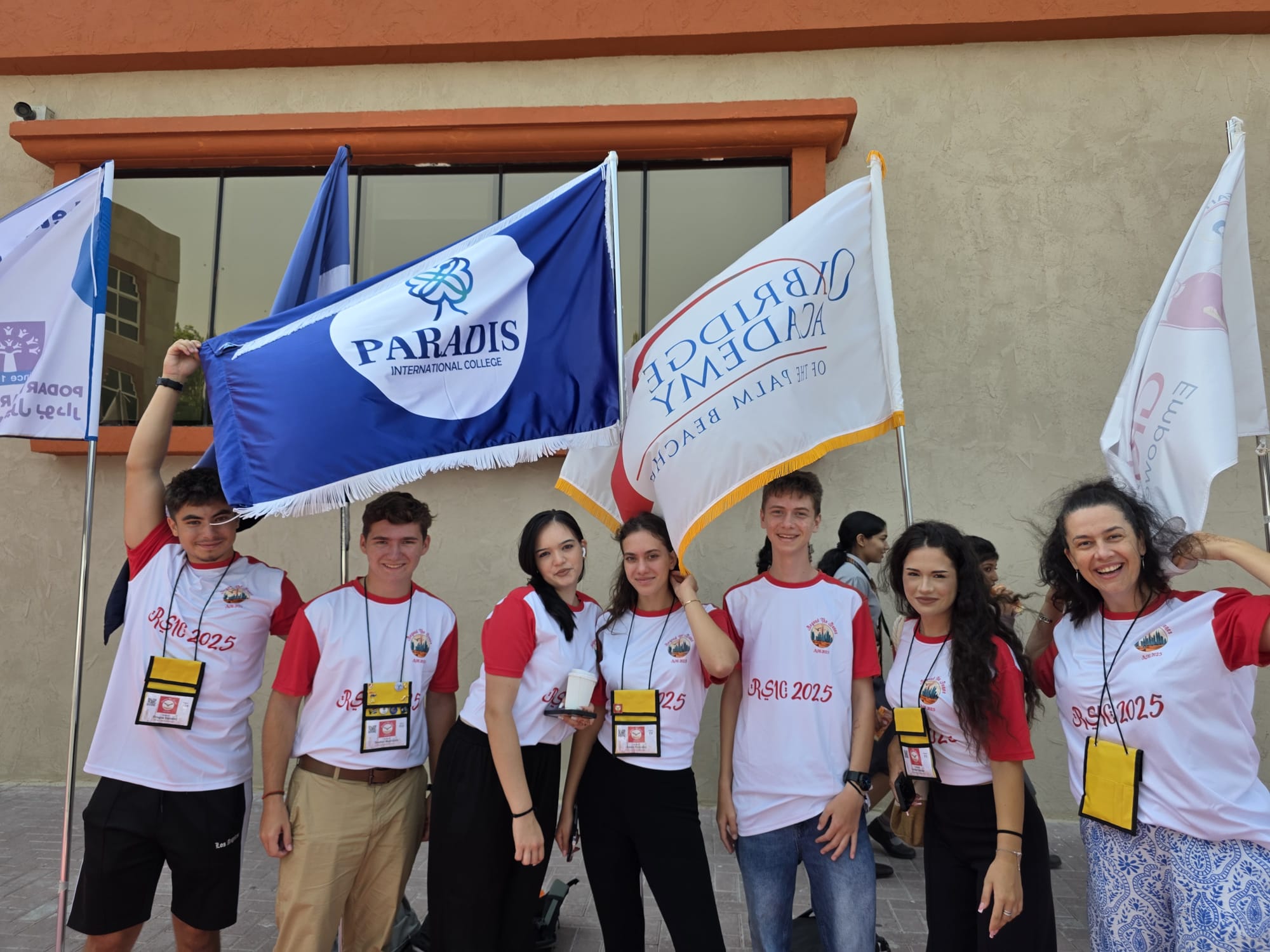
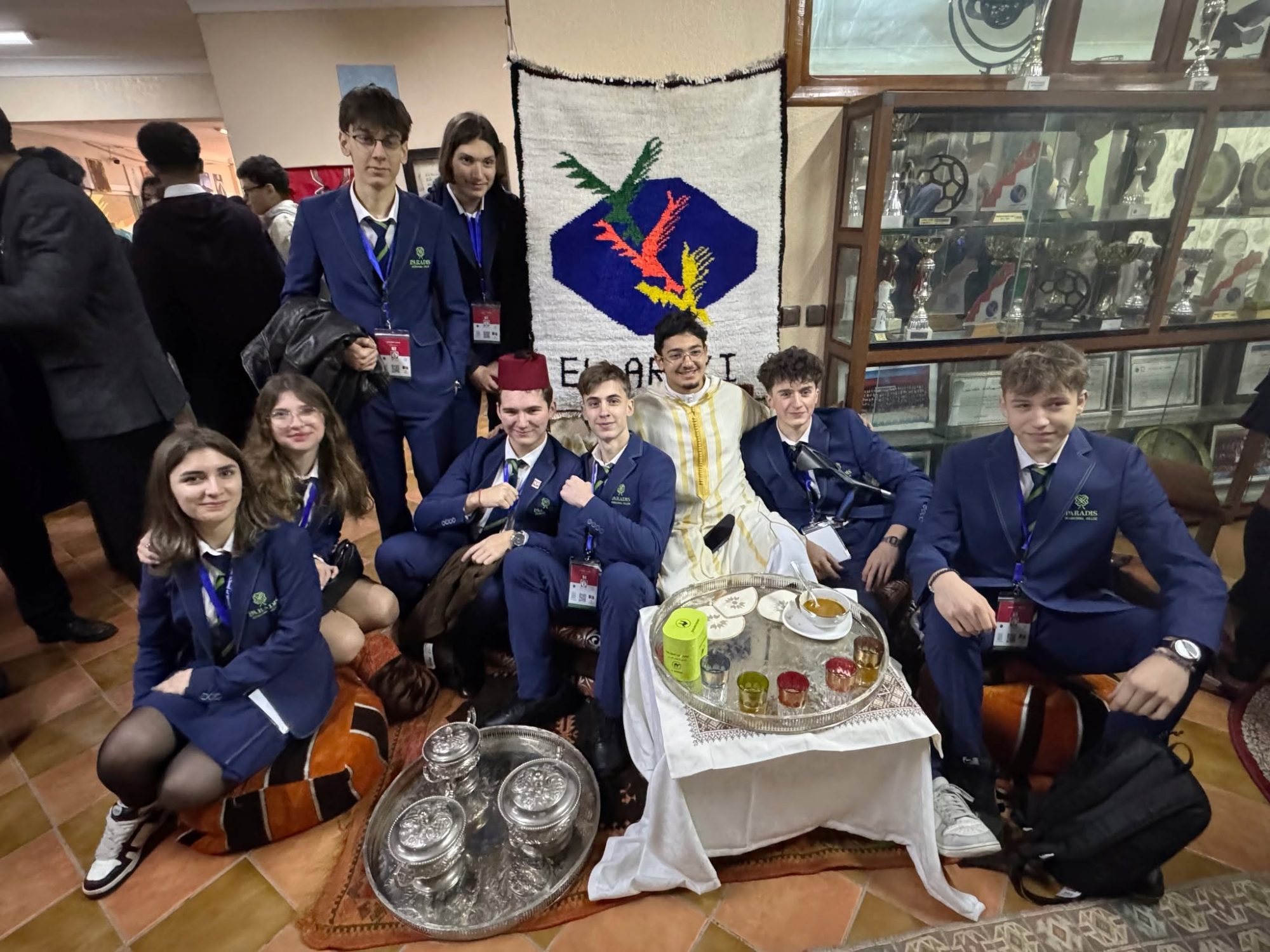
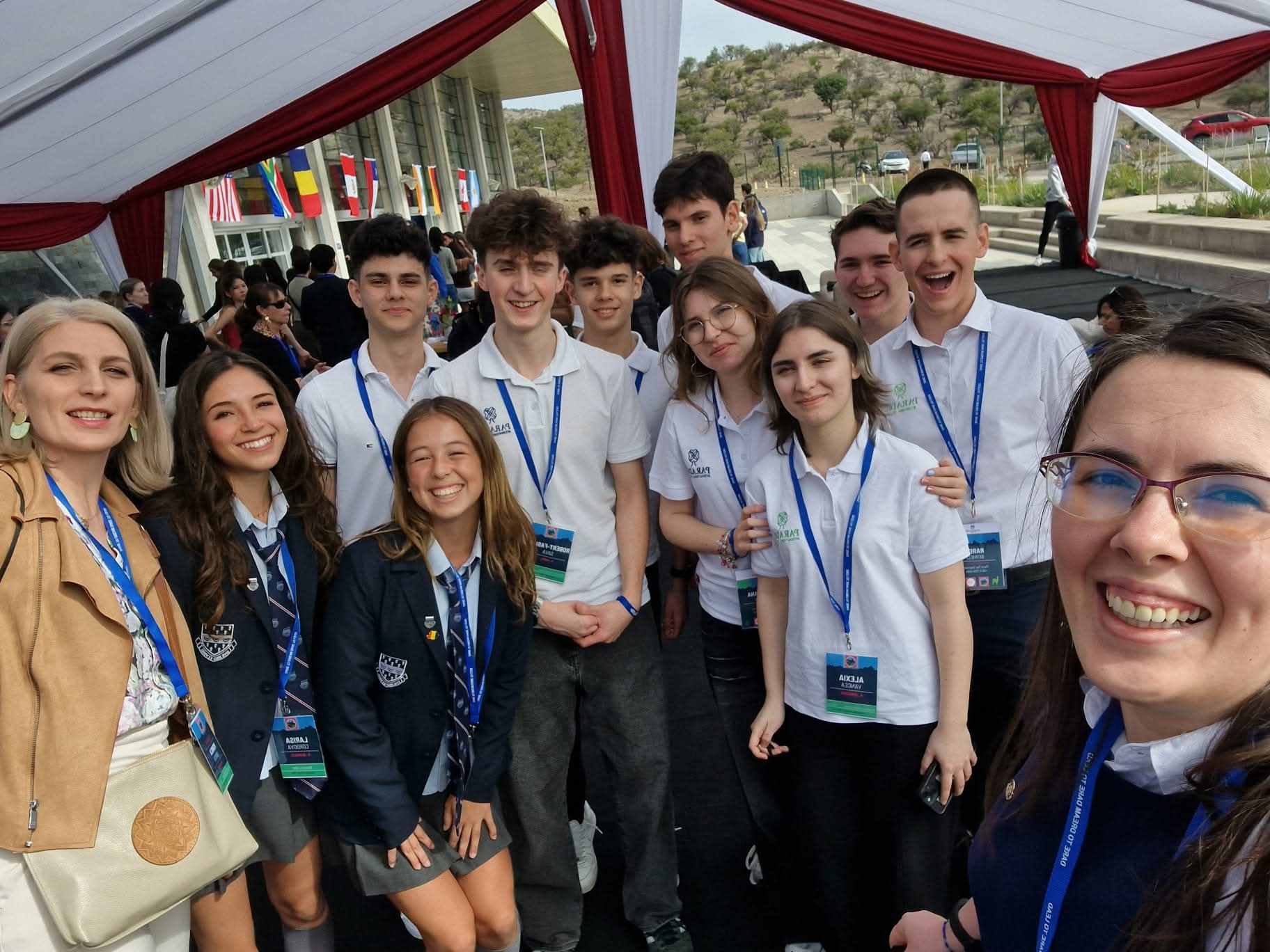
“A few months later, I attended my first Round Square International Conference in Bogotá, Colombia. That experience became a turning point for me.”
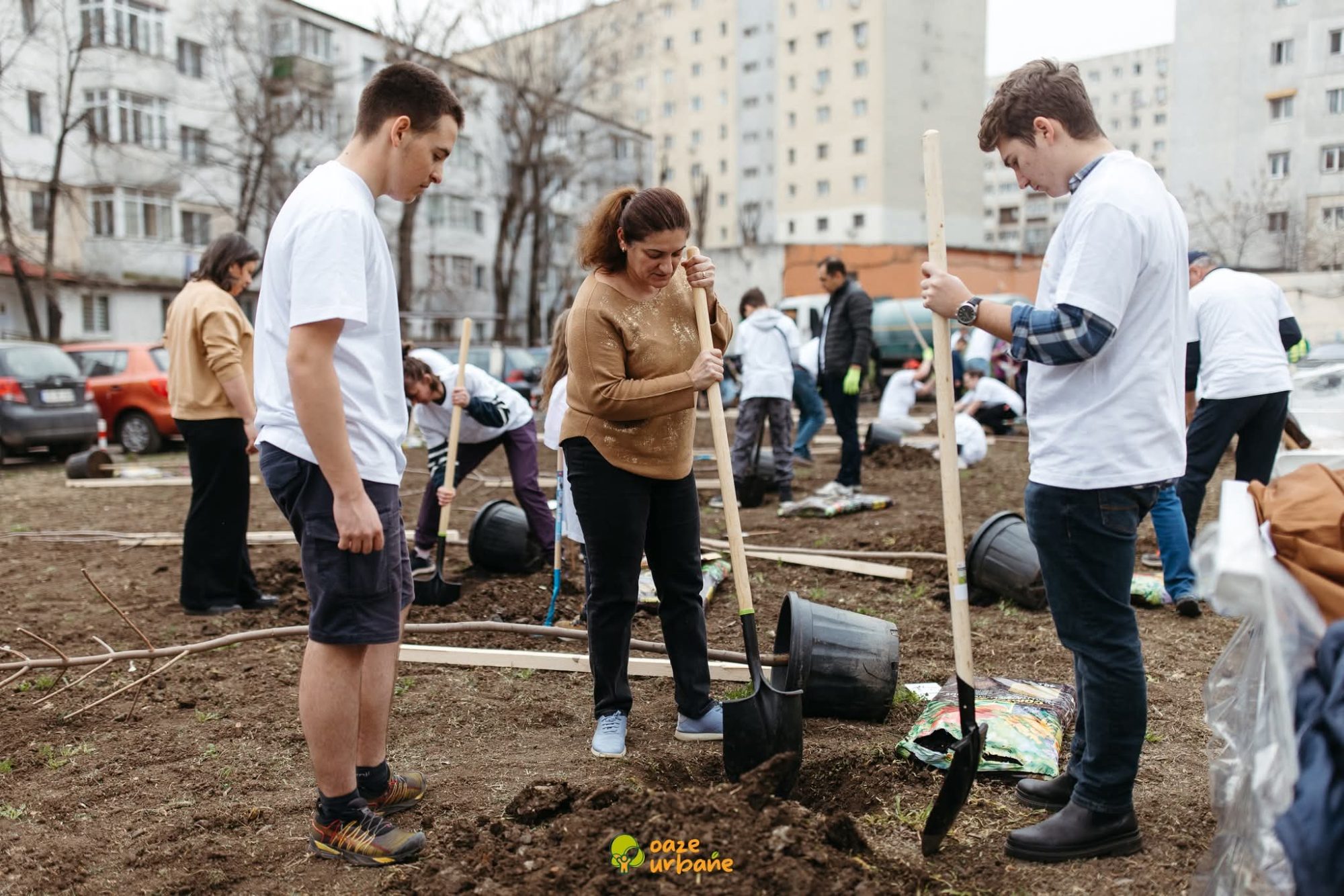
“More than 600 students from around the world were not just attending workshops. We planted trees, built chicken sheds for local families, painted murals and worked together in local communities. What impressed me most was not the scale of the conference, but how quickly complete strangers became a team. Despite our different cultures, languages and backgrounds, we all shared the same desire to contribute and leave a positive impact.”
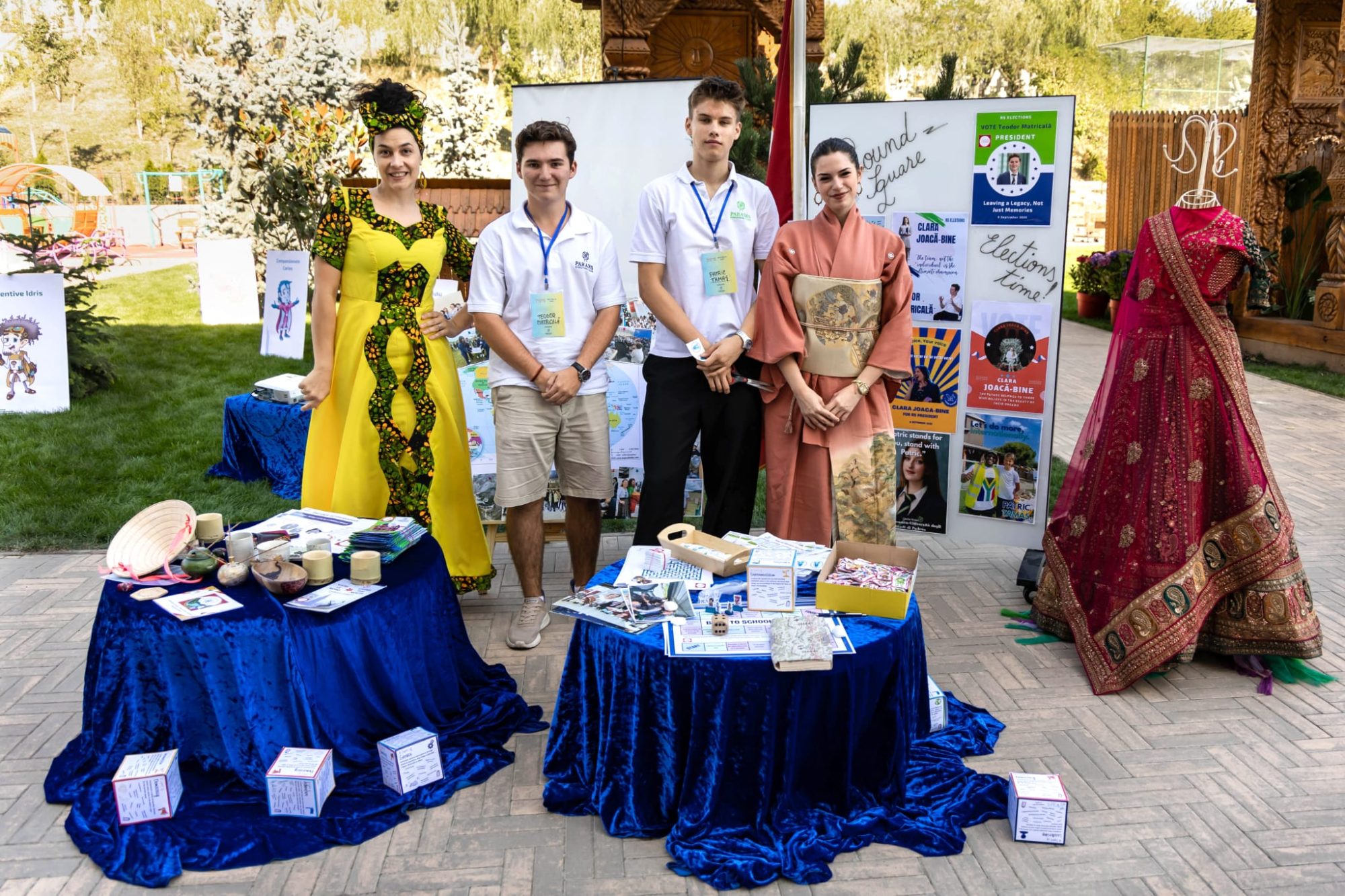
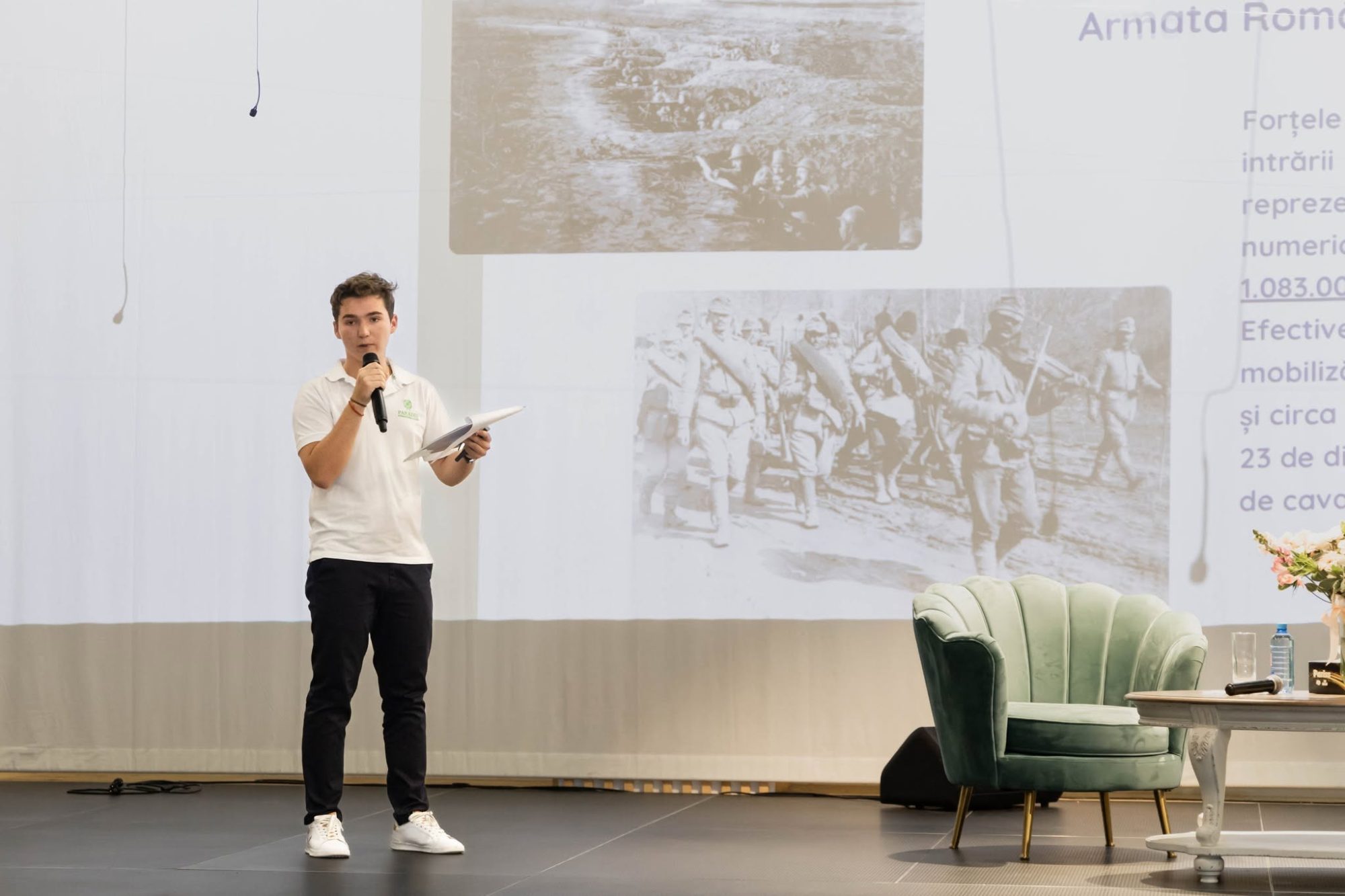
“When I returned home, I became much more involved in our school’s Round Square Committee. I coordinated activities for younger students, including a workshop where we introduced the Round Square Heroes through the stories of Romanian scientists. Later, I decided to run for President of the Committee because I wanted more students to feel included and realise that everyone has the ability to make a meaningful contribution.”
“One of the biggest challenges I faced as President was not organising projects, but encouraging people to believe that they could help shape them.”
“When I first became President, I thought leadership meant having ideas and organising activities well. I quickly realised that this was only a small part of the role. The real challenge was creating an environment where other students felt confident enough to contribute their own ideas, volunteer their time and take responsibility for the success of a project.”
“There was no single moment that taught me this lesson. Instead, I experienced it repeatedly. Sometimes I would present an idea that I was genuinely excited about, only to be met with silence. Other times, I found myself carrying most of the responsibility because people were waiting to be told what to do instead of taking initiative themselves.”
“At first, I thought the solution was to work harder myself. It wasn’t. Gradually, I realised that I needed to change the way I led. Instead of asking students to help with my projects, I started inviting them to help shape our projects. I spent more time listening to their ideas, asking what interested them and giving them ownership over different parts of each initiative.”
“I also learned that not everyone contributes in the same way. Some students enjoy speaking in front of others, some prefer organising behind the scenes, while others are most creative when designing materials or solving practical problems. Leadership became less about directing people and more about helping each person find where they could contribute best.”
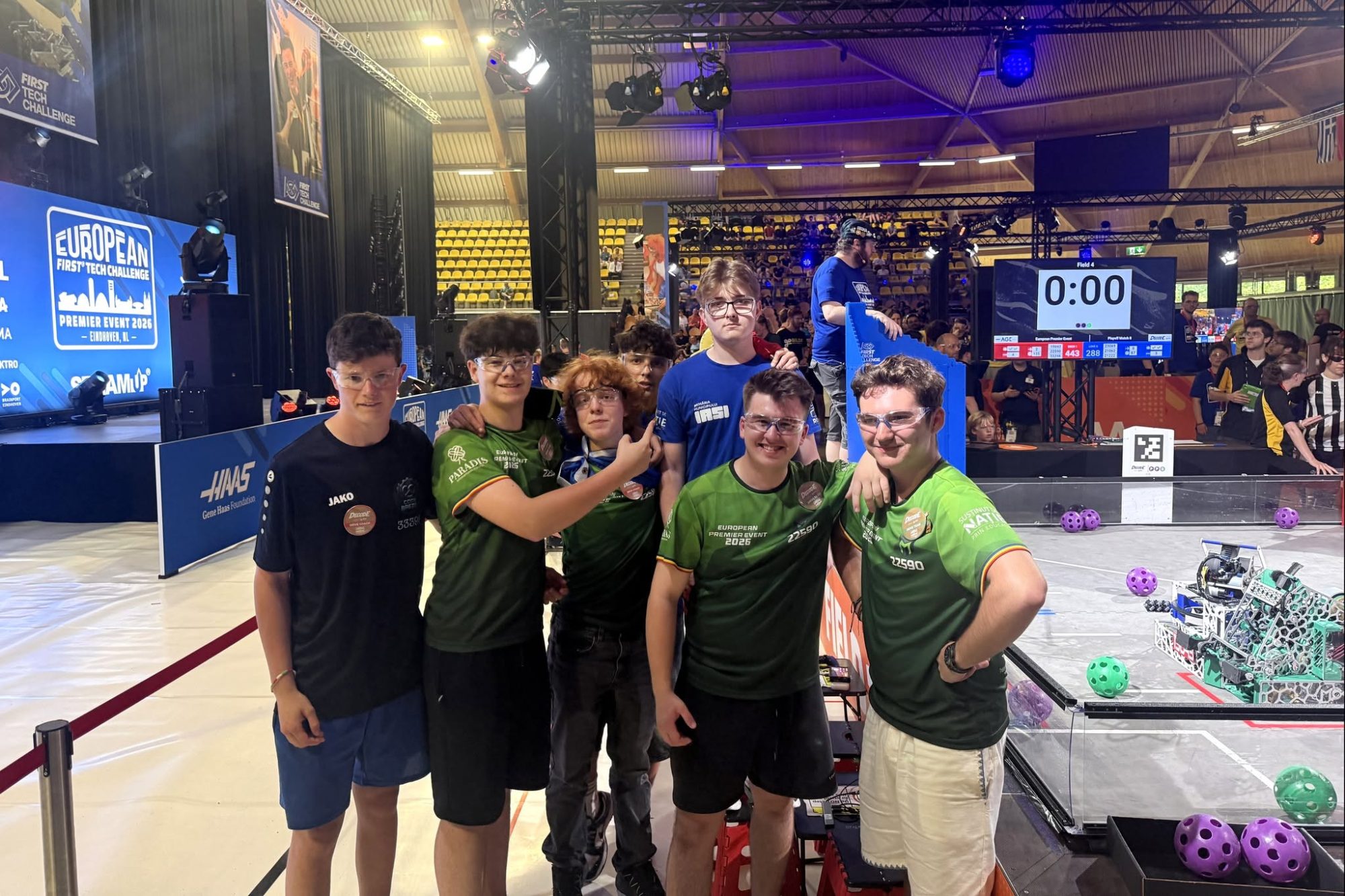
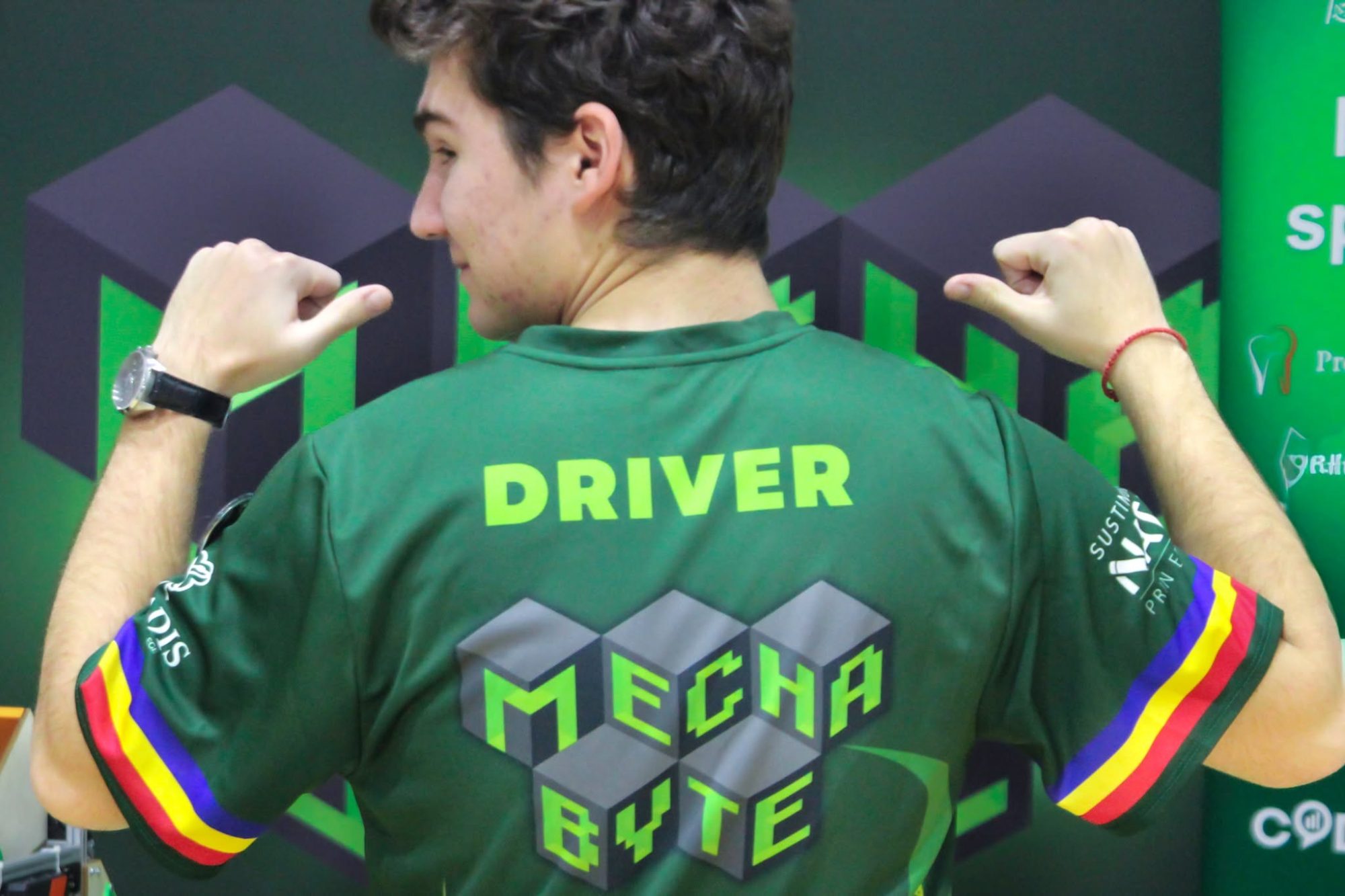
“That lesson influenced every project that came afterwards, including Robotics Without Borders. The idea was inspired by both Round Square and FIRST Tech Challenge. I wanted to create opportunities for students from different Round Square schools to collaborate through robotics, exchange ideas and build friendships that extended beyond conferences and competitions.”
“I will never forget our first international online meeting. I had spent weeks preparing, but thirty seconds before it began, my only thought was, ‘I hope there aren’t any technical problems.'”
“The meeting went better than I could have hoped. Students from different countries immediately began asking questions, sharing ideas and discussing how we could work together.”
“The most meaningful moment came afterwards, when schools began contacting us to say they wanted to continue the project and develop new activities together. That was when I realised Robotics Without Borders was no longer just my idea. It had become something that other students believed in too. For me, that is the greatest impact any leader can hope for, not that people join your project, but that they make it their own.”
“When I think about impact, I do not immediately think about projects or events. I think about people who decide to get involved because they realise that their ideas matter.”
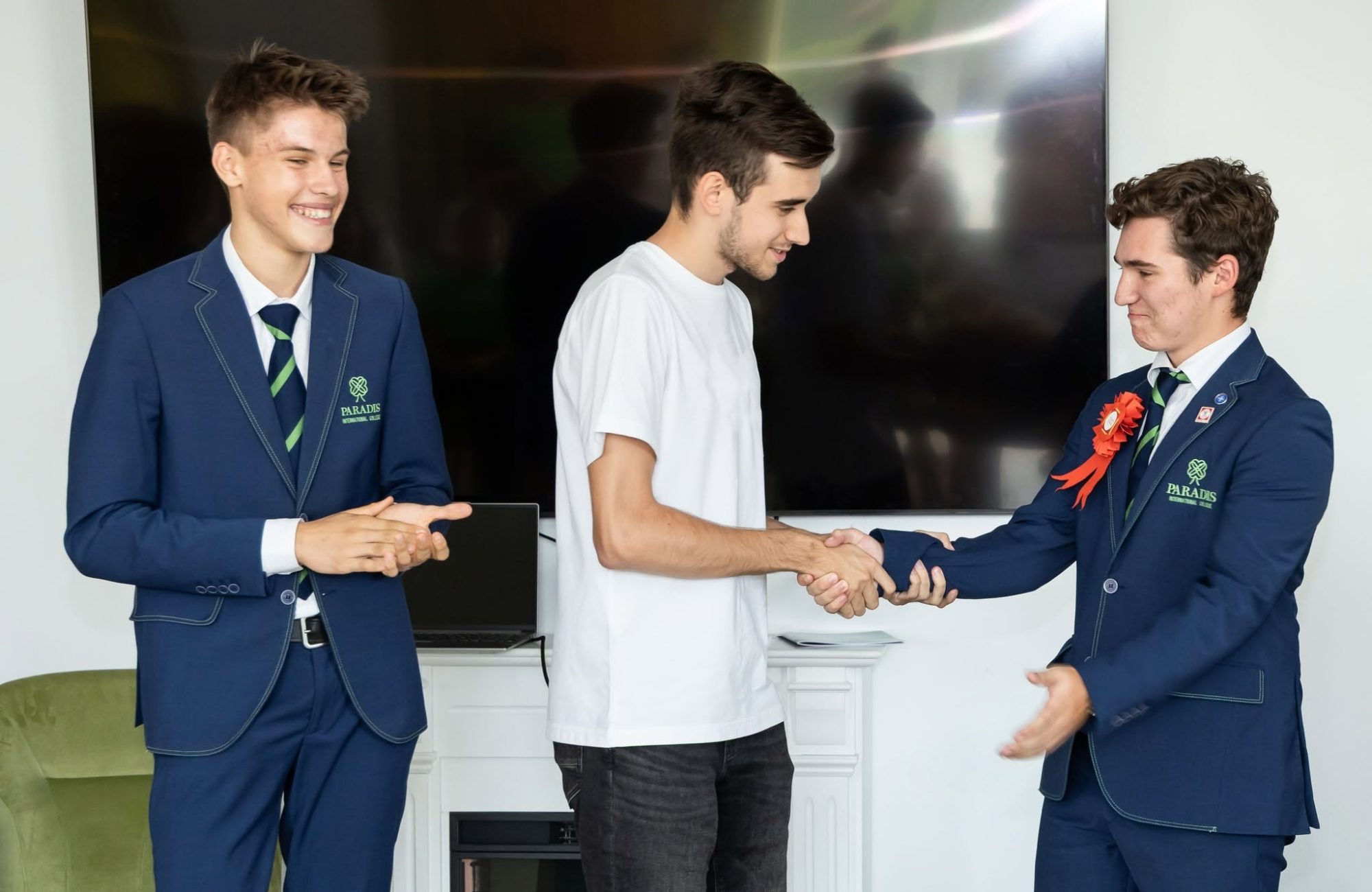
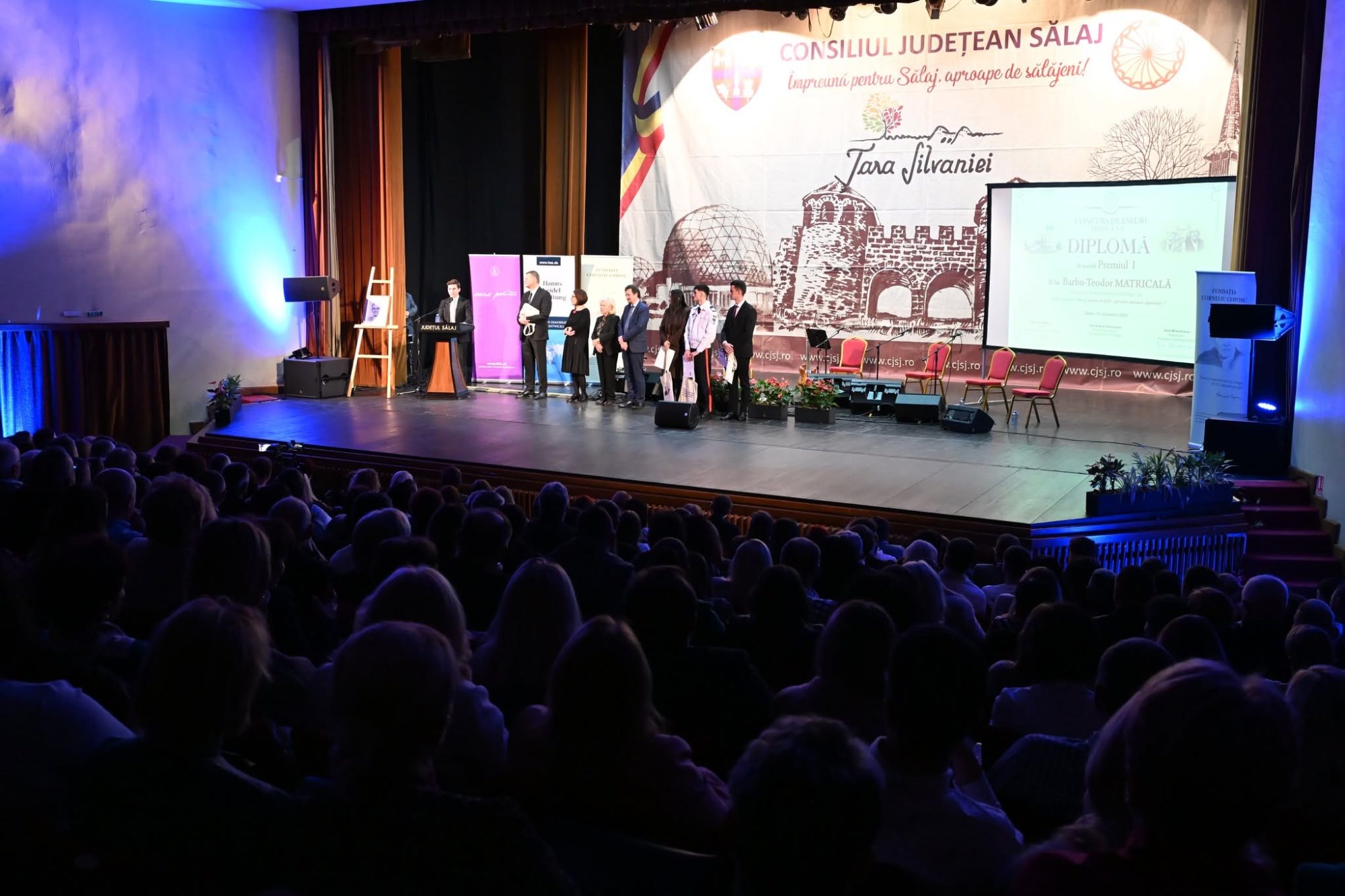
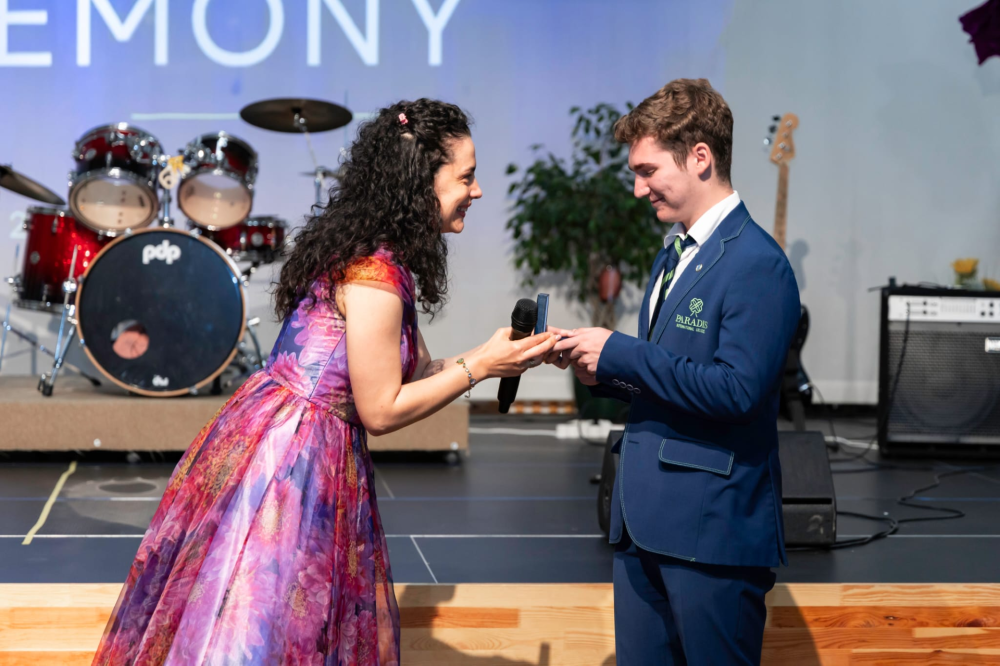
“Receiving the King Constantine Medal was something I never expected.Standing on stage to receive the award, I realised that what I was being recognised for was never something I had achieved alone. Every Round Square conference, every service project, every conversation with students from different countries, every teacher who encouraged me and every teammate who challenged me had shaped the person standing on that stage.”
“As I look towards the future, I hope to continue creating opportunities for young people to connect across cultures, serve their communities and turn ideas into action. Whether through Robotics Without Borders or new initiatives that have yet to be imagined, I want to keep building communities where students feel confident to share ideas, take initiative and learn from one another.”
Four Steps to Leading Like Teodor
1. Start by listening
Leadership begins with curiosity. Take time to understand what interests other people, what ideas they have and what motivates them. The best leaders don’t start by talking; they start by listening.
2. Turn “my idea” into “our idea”
Don’t ask people to help with your project. Invite them to help shape it. When people have ownership from the beginning, they stop being participants and become partners.
3. Help people find where they contribute best
Not everyone leads in the same way. Some people enjoy speaking in front of a crowd. Others prefer organising behind the scenes, solving problems or creating resources. A leader’s role is to help each person find their place and use their strengths.
4. Create conditions for others to take the lead
The real measure of leadership is not how many people follow you. It’s how many people feel confident enough to step forward themselves. When an idea belongs to everyone, people contribute because they genuinely want to, not because they were asked to.