A King Constantine Story: Prisha Shah, GEMS Modern Academy, UAE
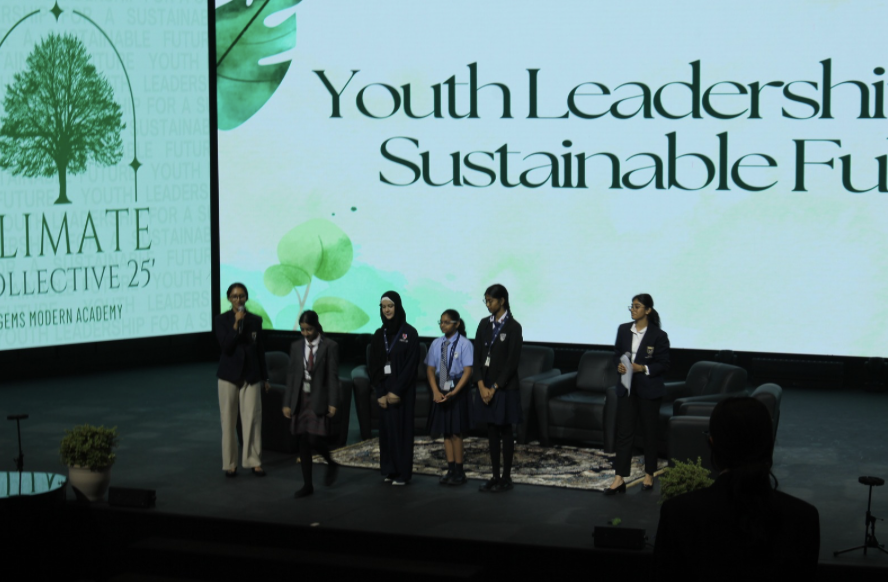
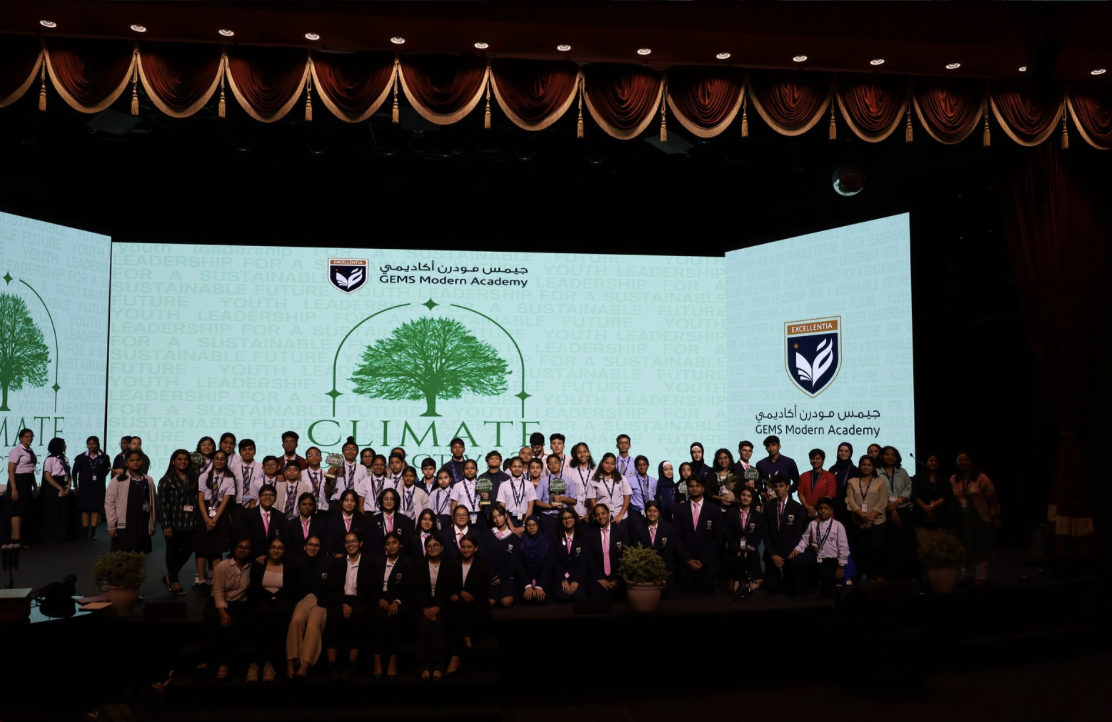
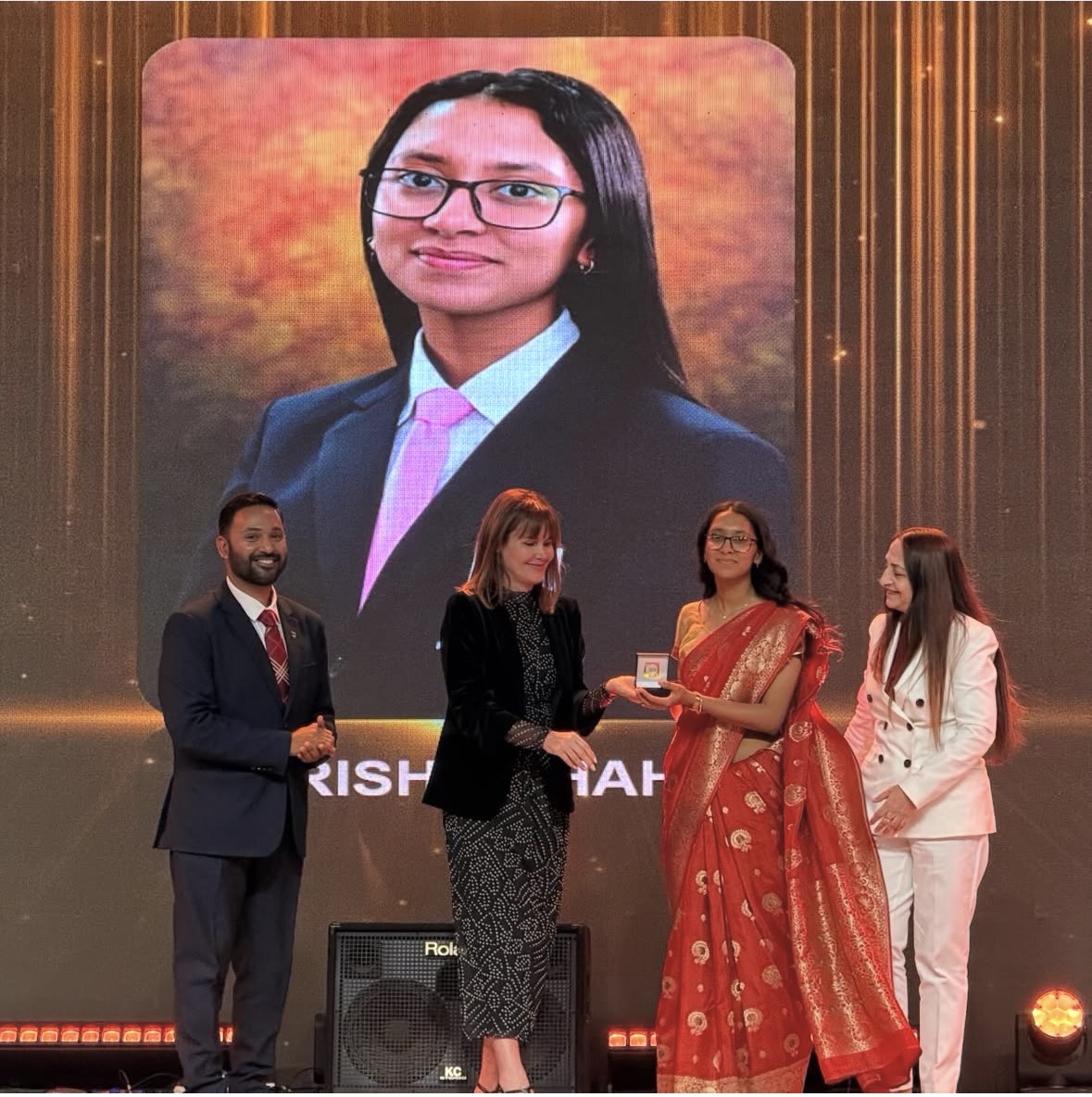
Prisha Shah from GEMS Modern Academy in the UAE was awarded her school’s King Constantine Medal in recognition of her leadership in sustainability, youth collaboration, and community action. Through initiatives including the Green Cycle Drive and StudentSync, Prisha has focused on helping young people recognise the power of collective action and understand their own role in creating meaningful change.
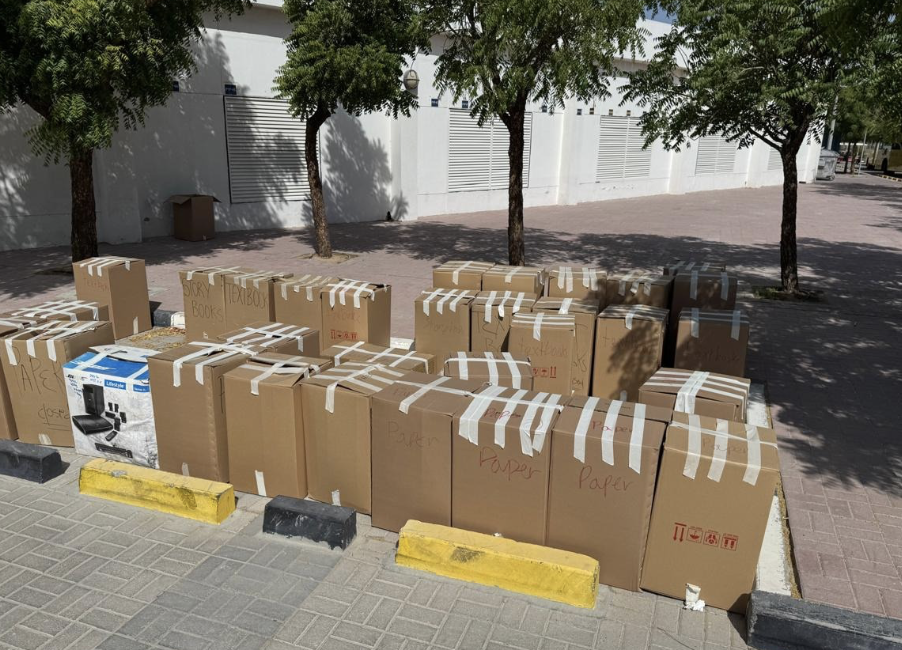
I have been participating in recycling drives for as long as I can remember, but initially, I saw them as isolated acts: helpful but small. That perspective changed in middle school, when I witnessed dozens of students, just like me, contributing together at a recycling centre. That moment changed my mindset.
I had always believed that climate challenges were too large to be addressed by individuals alone. But during that recycling drive, I realised that large scale change is often simply the accumulation of consistent, collective action. That realisation became a guiding principle for me: conscious collective action enables mindset shifts. This belief drove me to move beyond participation into leadership through the Green Cycle Drive, where, as Vice President, I worked to embed sustainable habits within my community. Later, when I struggled to scale these efforts beyond Dubai and the UAE, I recognised another gap: students everywhere lacked access to meaningful opportunities and collaborators. That led me to create StudentSync, an online platform designed to connect students globally and amplify impact.
One of the biggest challenges I faced was sustaining engagement. During large recycling drives, participation would surge, but once the campaign ended, it dropped just as quickly. Recycling was being treated as a one time activity rather than a daily responsibility.
As Head of Social Media for the Hayat Khadra, or “Greener Life”, campaign, I helped promote waste collection across our school community. In March 2024, we recycled over 7,000 kilograms of waste with more than 300 participants. But after the campaign ended, participation declined again. We realised we were encouraging events, not habits.
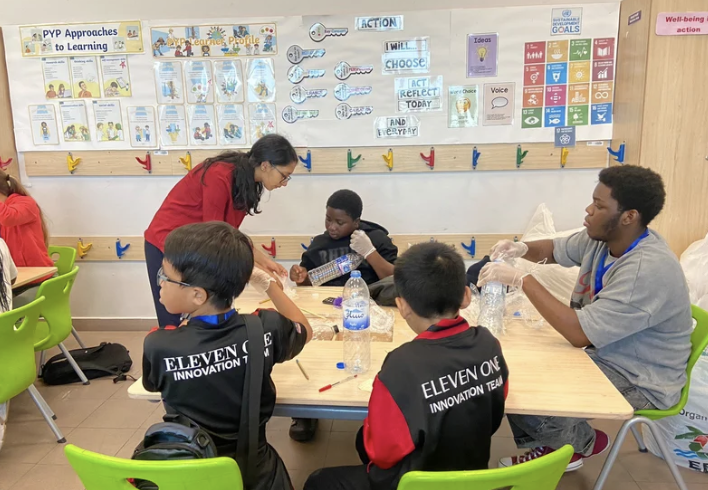
To address this, we launched the “Recycle Anytime” campaign to help students and families recycle throughout the year rather than waiting for organised drives. Together with my core team, we created a simple system where participants could upload the type and weight of recycled waste alongside image proof. The shift worked. We recycled more than 3,300 additional kilograms of waste, and many students began submitting regularly, showing that recycling had become integrated into their daily lives.
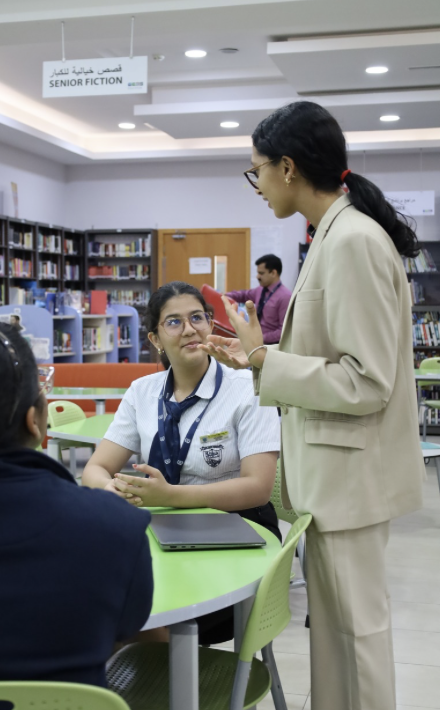
We also changed how we communicated. I replaced text heavy posters with more visual campaigns and interactive booths where people could ask practical questions like, “Can I recycle shampoo bottles?” or “Where does this waste actually go?”
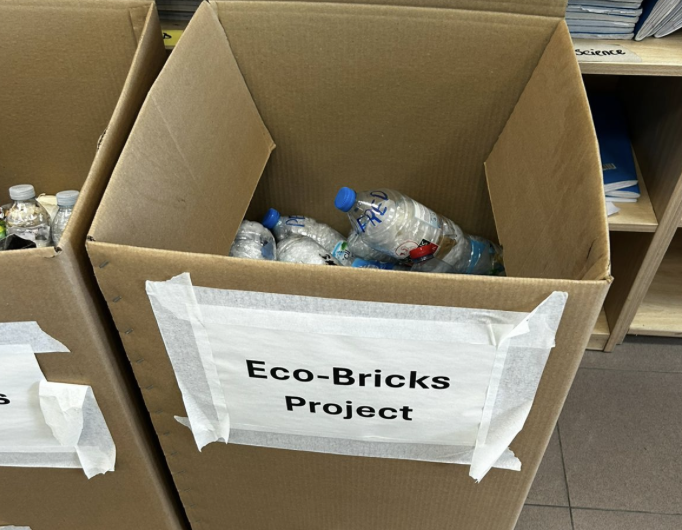
At a school fundraiser, I was running a booth promoting our Ecobricks Campaign when a kindergarten student visited with his family. His father explained that his son had noticed the ecobrick drop off points around school and kept asking questions about them. Eventually, that curiosity brought the whole family to the booth. As we spoke, his father shared how sustainability conversations at school had already started influencing life at home. His son had begun encouraging the family to reduce water waste, lower air conditioning use in the car, and think more consciously about their everyday habits.
That conversation showed me that our work was extending beyond recycling drives. We were helping shape habits, conversations, and awareness within families and communities.
Through StudentSync, this impact expanded globally. Students from more than 25 countries have used the platform to find collaborators, launch initiatives, and move ideas into action. The platform now supports more than 180 youth led projects and receives over 10,000 monthly views across platforms.
These experiences also changed how I think about leadership itself. I associated leadership with individual initiative. But leading sustainability campaigns and building StudentSync showed me that the strongest ideas emerge when people challenge, refine, and strengthen them together. I also learned the importance of understanding what motivates each team member. Some people thrived working with younger students, while others preferred logistics or partnerships. Recognising those strengths changed the way I communicated, delegated, and collaborated. Most significantly, these experiences reshaped how I think about creating change. Rather than simply leading projects, I now want to build ecosystems and spaces where shared ideas can grow collectively.
Receiving the King Constantine Medal reaffirmed my belief in the power of collective action. To me, the medal represents not only my work, but also the community of people who supported these ideas and helped turn them into something meaningful.
Moving forward, I hope to continue working in sustainability, research, and youth collaboration while contributing to these fields through research and policy as I begin university.
Four Steps to Create Impact like Prisha
1. Start by talking to people
What feels like a personal frustration is often something many others are experiencing too. Conversations can help uncover shared problems and lead to ideas that genuinely matter.
2. Build with people, not around them
Strong teams do more than support ideas. They challenge, refine, and improve them. Be open to feedback and involve people with different strengths and perspectives.
3. Focus on habits, not one off events
Lasting impact comes from creating systems people can continue using every day. Small changes in routines and accessibility can shift mindsets over time.
4. Approach uncertainty with cautious optimism
Not every outcome is guaranteed, but meaningful change often starts with believing an idea is worth pursuing anyway. Even creating impact for one person is reason enough to continue.