
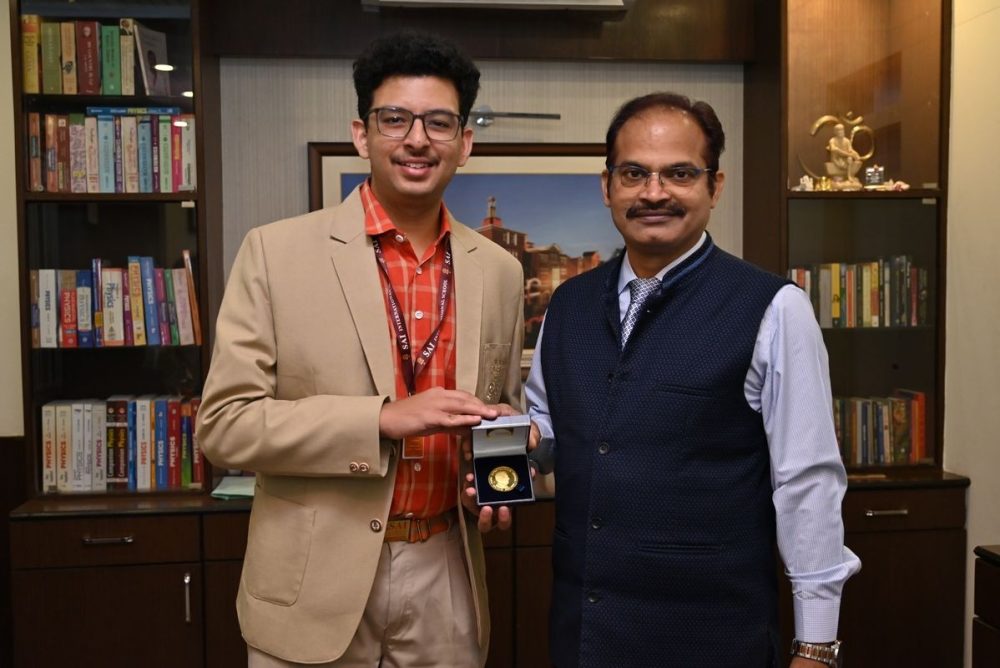
A King Constantine Medal Story: Ishaan Mishra, SAI International School, India
Ishaan Mishra, a student at SAI International School in Bhubaneswar, India, was awarded his school’s King Constantine Medal in recognition of his sustained commitment to service and leadership, particularly in widening access to education. Through initiatives that range from teaching underserved students to recording audiobooks for visually impaired learners and tutoring students across the world, Ishaan has focused on one central goal: making learning accessible to those who might otherwise face barriers.
“My interest in service began with a simple belief that education should be accessible to everyone. Over time, that belief led me to seek opportunities where I could support students who face challenges in accessing learning.
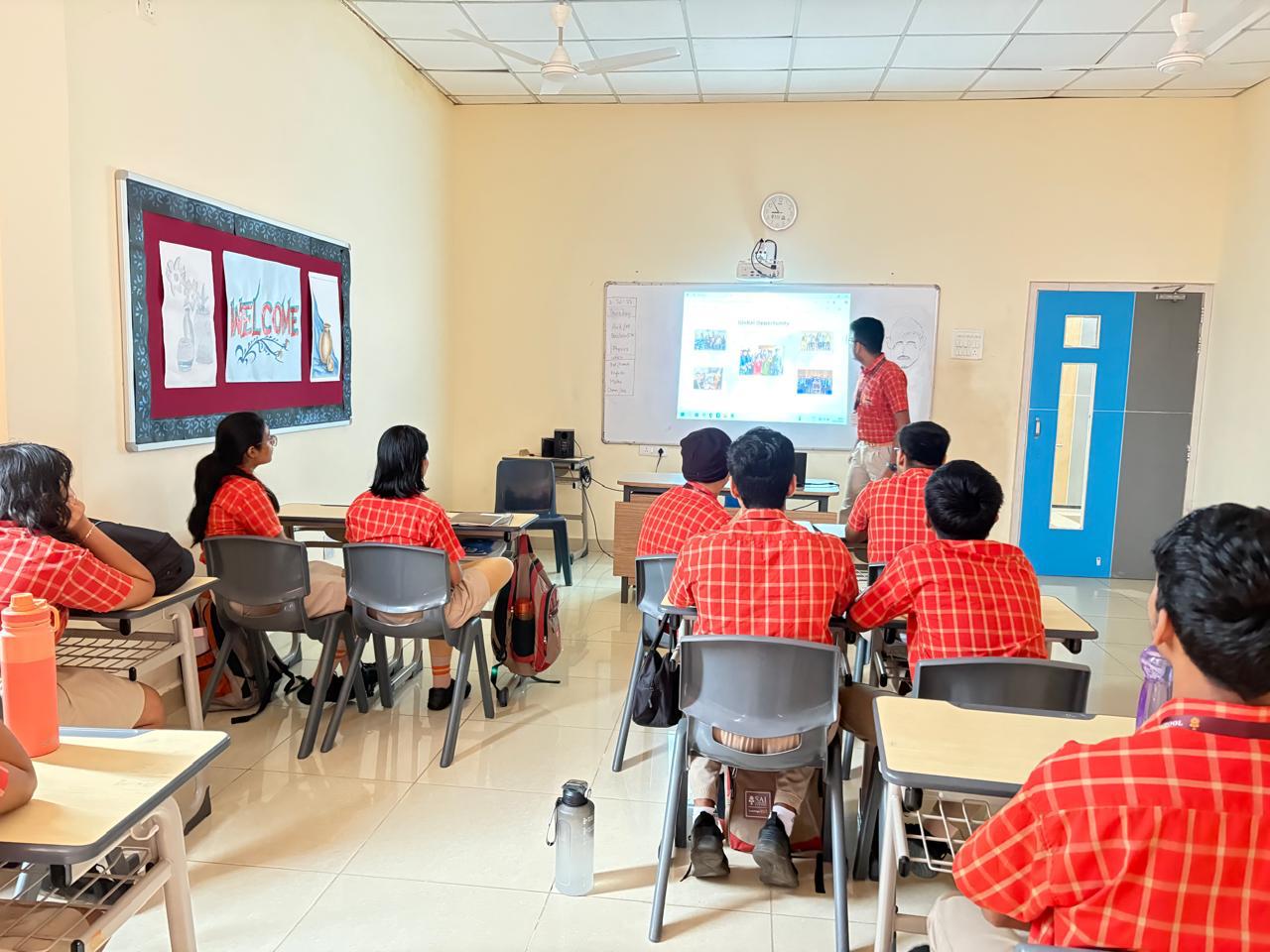
One of my most meaningful experiences was volunteering at the Kalinga Institute of Social Sciences, where I taught English, Science and Mathematics to forty tribal students aged between thirteen and fifteen. Many of the students primarily spoke Odia, so I focused on helping them build confidence in English through simple lessons, interactive activities and individual mentoring.
To help students overcome language barriers, I focused on making learning interactive and less intimidating. One method that worked particularly well was using Charlie Chaplin videos. Since they have no dialogue, students were encouraged to create their own narration by describing actions, inventing conversations and acting as storytellers. This allowed them to practise English naturally without the fear of being wrong, and over time I saw a clear improvement in both their confidence and their ability to express ideas.
I also learned that teaching requires constant creativity and flexibility. One challenge I often faced was helping students move beyond memorised definitions to genuine understanding. When teaching entropy, students struggled with the idea of an increase in disorder, so I reframed it as a group chat that begins orderly but gradually becomes chaotic without effort. Similarly, when explaining diffraction, I used a lane closure analogy with cars, which made the concept clearer. These moments showed me how the right analogy can connect ideas and make learning more meaningful.
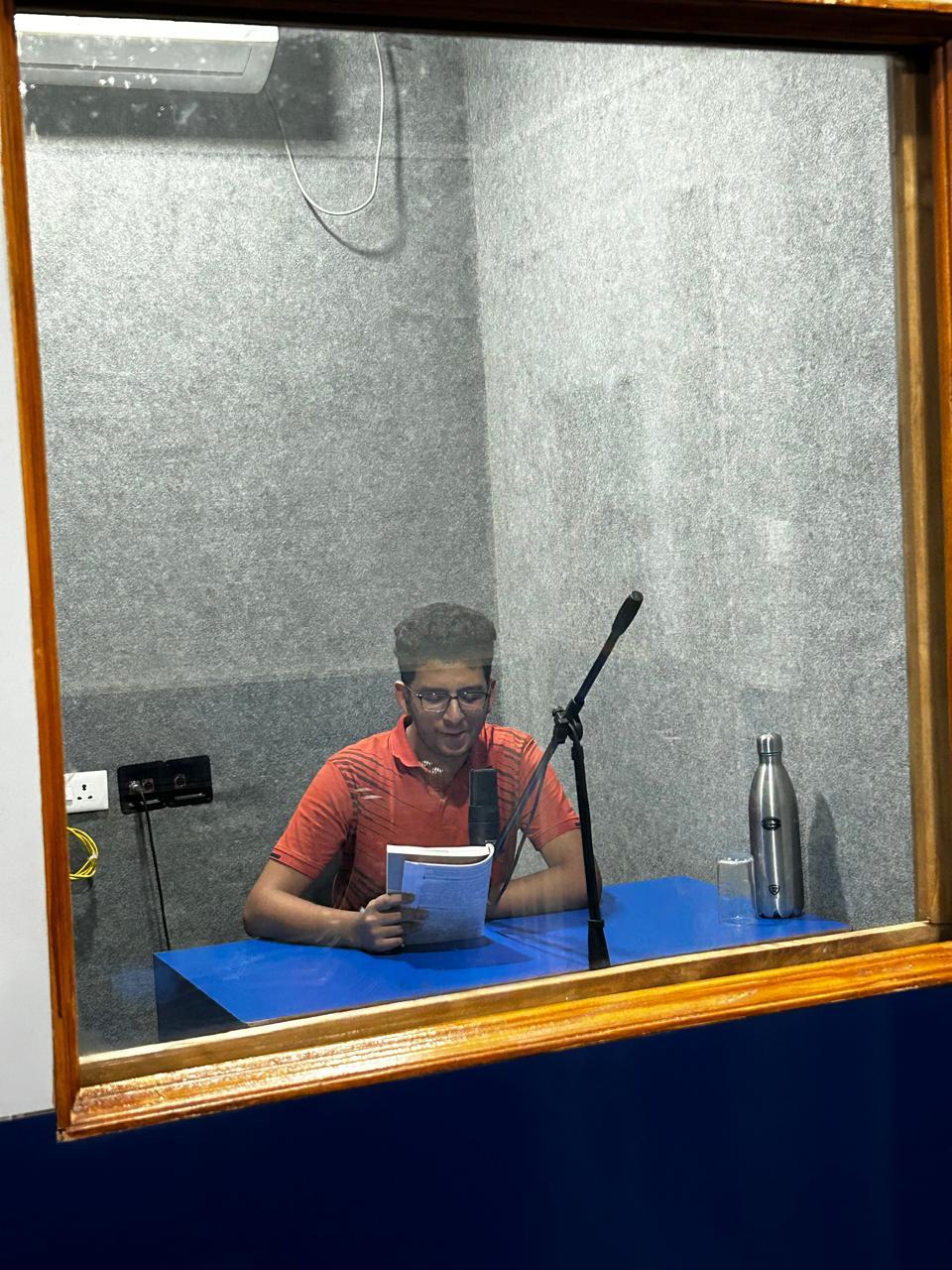
Alongside classroom teaching, I volunteered with the LV Prasad Eye Institute, where I record audiobooks of school curriculum textbooks for visually impaired students. This work showed me how small contributions can make a significant difference. A particularly meaningful moment came during the annual volunteer meet, when a visually impaired student shared that she had passed her Class 10 examinations and credited audiobook resources for supporting her studies. She did not know I had contributed to those recordings, but hearing her story made the impact of that work tangible.
My interest in education also extends globally. As an International Astronomy and Astrophysics Competition Ambassador, I encourage students to explore scientific learning and take part in international opportunities. I also volunteer as a tutor on Schoolhouse, where I support students from around the world, and have been recognised among the top five percent of tutors globally.
Across these experiences, I have realised that education connects people across cultures, languages and circumstances. Whether teaching in a classroom in Odisha, recording resources for visually impaired learners or tutoring a student across the world, the goal remains the same: to make learning accessible.
Service has taught me that leadership is not about recognition, but about impact. If even a small action helps someone gain confidence or understand a new idea, then it is meaningful. Looking ahead, I hope to continue building initiatives that expand access to education and inspire curiosity in learning.”
Four Steps to Expand Access to Education like Ishaan
1. Make learning feel safe and accessible
Focus on reducing fear before increasing difficulty. Create spaces where students feel comfortable participating, even if they are unsure. Simple, low-pressure activities can build confidence over time.
2. Adapt your approach to how students learn
Move beyond textbook explanations. Use analogies, real-life examples or creative tools to make complex ideas more intuitive. The goal is understanding, not memorisation.
3. Use creativity to overcome barriers
When language or confidence is a challenge, think differently. Interactive methods, storytelling or visual tools can help students engage without feeling restricted by what they do not yet know.
4. Recognise that small actions create real impact
Not all impact is visible immediately. Whether teaching a class or contributing behind the scenes, consistent effort can open opportunities for others in meaningful ways.