A King Constantine Medal Story: Aditya Rajesh Nair, Bangalore International School, India
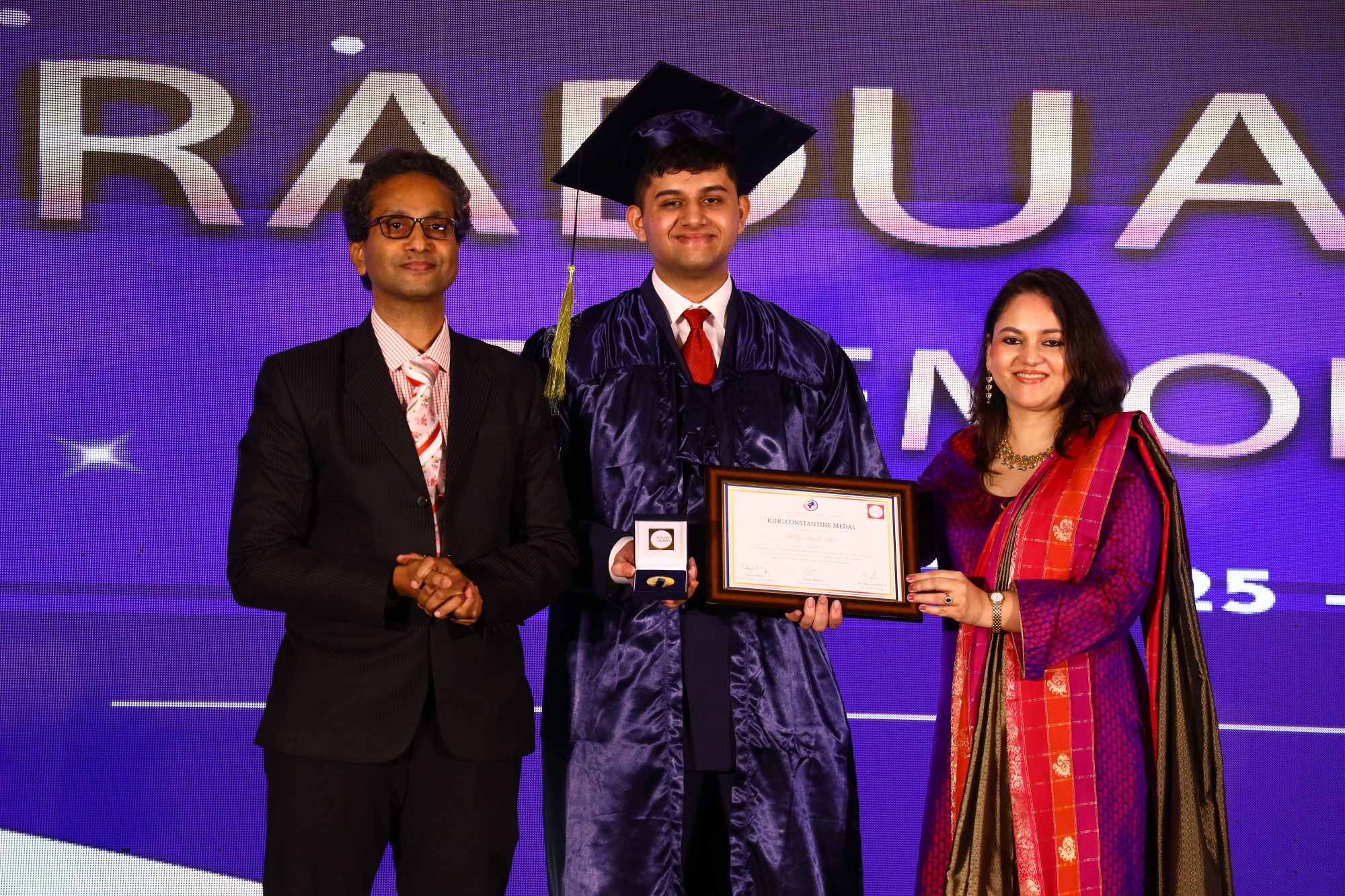
Aditya Rajesh Nair from Bangalore International School in India has used his passion for food to create connections far beyond the kitchen. As the Young Chef Ambassador of India to the Young Chef Development Committee of the World Association of Chefs’ Societies (Worldchefs), he has worked to connect young chefs across India. He has been awarded his school’s King Constantine Medal.
“Growing up, what drew me to cooking wasn’t just the food itself but what it represented. It was around the age of six that I realised it connected people who otherwise had nothing in common.”
“Every recipe felt like a small window into a culture’s history, geography and heritage. The spices told you about trade routes, the techniques told you about climate and resources, and the flavours told you about generations of people adapting and passing knowledge down. That’s what pulled me in. Cooking sits at this interdisciplinary crossroads of history, science, art, anthropology, culture and storytelling, and yet it’s also completely universal. Everyone eats, everyone has a food memory, and that gives you a way to relate to people anywhere in the world. It was around that age that I realised this wasn’t just something I enjoyed in the kitchen, but a lens through which I wanted to keep exploring the world.”
“As the Young Chef Ambassador of India to the Worldchefs Young Chef Development Committee, I worked to support the development of young chefs by promoting culinary education, skills development, networking opportunities and professional growth. My role involved acting as a bridge between young chefs in India and the global Worldchefs community, sharing opportunities, encouraging participation in international initiatives and advocating for the next generation of culinary professionals.”
“One challenge was representing young chefs from a country as diverse as India while also balancing my responsibilities as a full-time IB Diploma student. Young chefs come from different regions, backgrounds and levels of access to professional opportunities, making it difficult to ensure that everyone feels represented.”
“There were times when I was trying to promote opportunities and encourage engagement among students and young culinary professionals while managing a demanding academic schedule. I overcame this by improving my time management, setting clear priorities and maintaining consistent communication with those involved. This experience taught me the importance of organisation, adaptability and commitment when taking on leadership responsibilities.”
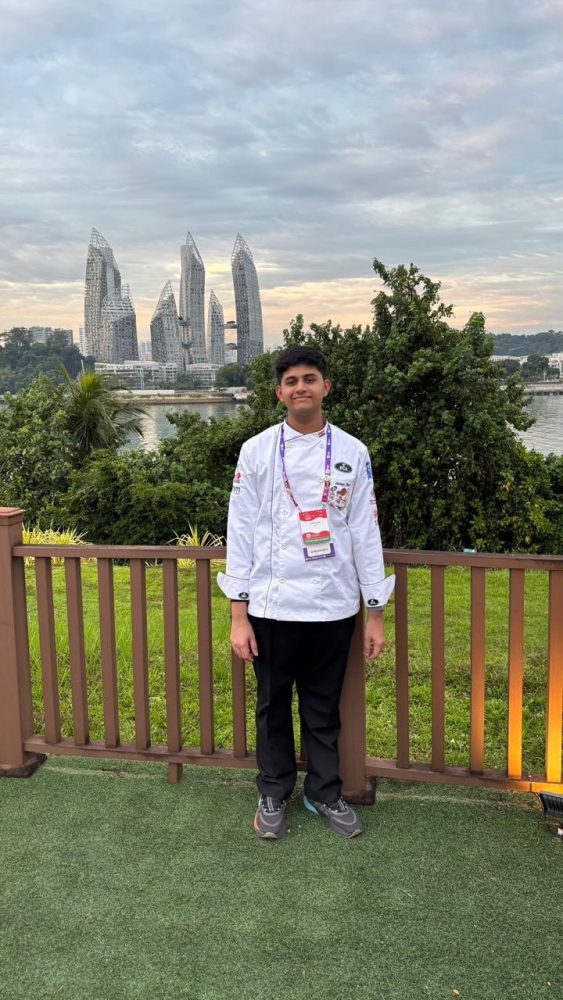
“One of the moments I’m proudest of was attending the Worldchefs Congress in Singapore. Being in a room with chefs, educators and industry leaders from across the globe made it clear just how far-reaching our industry really is. It isn’t just about what happens in a kitchen. It’s about food security, sustainability, education and livelihoods for people worldwide.”
“That experience reshaped how I saw my own role: not just as someone learning to cook well, but as someone who could use that platform to think about the industry’s impact on people’s lives, and to bring those insights back to my own community.”
“Through my work, I have helped raise awareness of international culinary development opportunities among young chefs and culinary students. I have encouraged greater engagement with professional organisations, demonstrated the value of lifelong learning and, I hope, shown that young people can take on leadership roles within their professions and communities. I want others to pursue their ambitions with confidence and to see themselves as part of a global culinary community.”
“Round Square has played an important role in shaping how I think about that responsibility. To me, Round Square has always meant Internationalism, Adventure and Service. It’s a network that pushes you past the boundaries of your own school, country and assumptions, and puts you shoulder to shoulder with people from completely different backgrounds working towards something shared.”
“That sense of Internationalism, of understanding the world not as an abstraction but through real relationships, is something I’ve carried into how I think about food, because cooking is its own kind of universal language.”
“There’s also an adventurous spirit to it: a willingness to step outside your comfort zone and take on things that feel unfamiliar at first. Underneath all of that is service, the idea that understanding the world only matters if it moves you to give something back to it.”
“I am extremely grateful to the mentors, chefs, educators and organisations that have supported me throughout my journey. Serving as Young Chef Ambassador showed me the power of collaboration and the importance of creating opportunities for future generations.”
“As I continue my education and culinary training, I hope to contribute further to the development of young chefs, promote international cooperation within the hospitality industry and help build a profession that is inclusive, innovative and committed to excellence.”
“I believe that investing in young chefs is investing in the future of food. Through education, mentorship, sustainability and global collaboration, we can empower the next generation to address the challenges facing our industry while preserving the cultural traditions that make food such a powerful force for connection.”
Four Steps to Consider when Developing a Sense of Responsibility:
- Take responsibility for creating opportunities, not just taking them. If you benefit from a programme, network or experience, look for ways to help others access those same opportunities.
- Represent others carefully. When working with people from different backgrounds, listen first and recognise that your experience may not reflect everyone else’s. Responsibility means ensuring different voices are heard.
- Be reliable, especially when no one is watching. Leadership is not about titles. It is about following through on commitments, managing your time well and being someone others can depend on.
- Use what you learn to give something back. Understanding the world only matters if it leads to action. Take the knowledge, connections and experiences you gain and use them to support your community and help others grow.