
A King Constantine Medal Story: Lasya Mohan Varma, Inventure Academy
Lasya Mohan Varma, a student at Inventure Academy in Bangalore, India, was awarded her school’s King Constantine Medal for leading a city wide student movement to address traffic and road safety. What began as a shared frustration with daily commutes grew into Our Mobility Our Voice, a campaign that united students, schools, civic organisations and government stakeholders to improve road infrastructure and amplify the voice of young people in urban decision making.
The bane of every Bangalorean is traffic. It was something my peers and I had lived with for years, but after the pandemic, the situation became noticeably worse. During a conversation with our school’s Founding CEO, Ms Nooraine Fazal, we spoke about how traffic on our daily commute to and from school had surged. As a senior and School Captain, I felt compelled to act, not just for myself, but for my juniors and for students across more than fifteen schools in our area.
When we began collecting data, the scale of the issue became clear. The average time students spent on the road had increased by thirty one percent between 2019 and 2024. Listening to juniors describe how long commutes drained their energy and reduced time for study, rest and play helped us understand the human impact behind the numbers. Poor road conditions and potholes also raised serious safety concerns, leading to injuries and exhausting journeys. We knew that to be heard, we needed more than complaints. We needed a collective voice.
Building that voice was not easy. We started by organising traffic themed art and essay competitions and by facilitating discussions between students across schools, eventually engaging over two hundred students. Still, participation was hard to sustain. Many students told me there was no point and that nothing would change. Being the optimistic senior in rooms full of sceptical middle schoolers felt strange at times, but I believed that persistence mattered. I spent time having one to one conversations, making daily classroom announcements and integrating the initiative into school projects. Slowly, involvement grew.
To keep momentum, we expanded our approach. We ran a traffic themed games stall at our school’s winter carnival and introduced a traffic focused committee at our Model United Nations conference. As committee director, I guided students towards realistic, technology based solutions and organised sessions with urban development experts. These experiences helped students see that traffic was not just an inconvenience, but a solvable problem if approached thoughtfully.
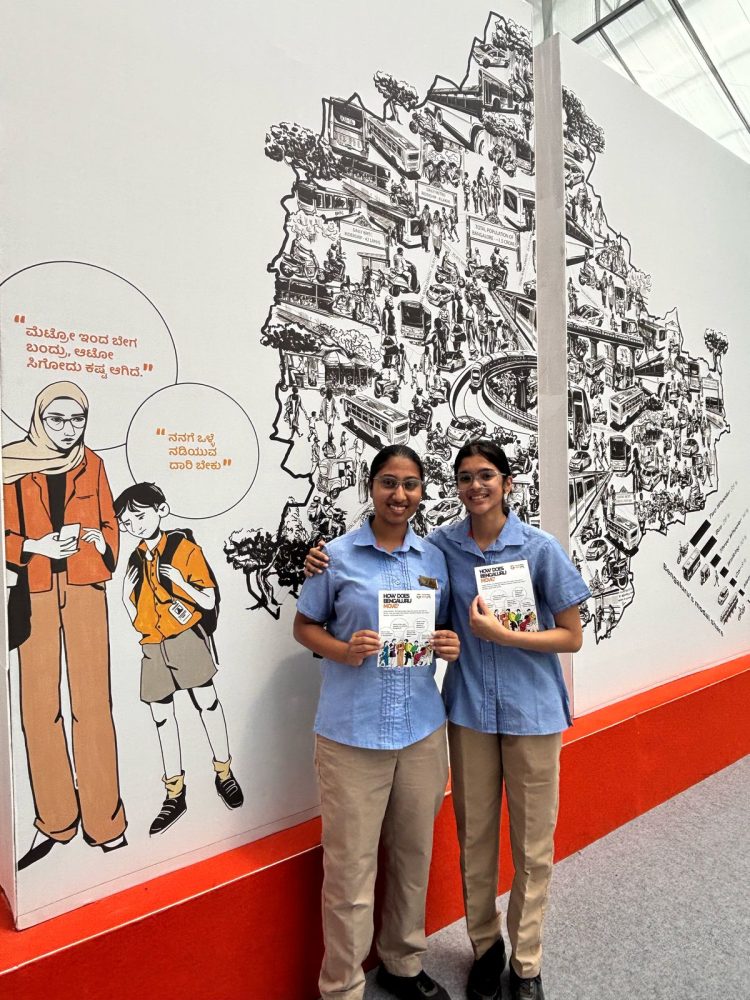
Partnering with civic organisations allowed us to reach far beyond our school community. We were the only students invited to speak at a city wide BBMP event, where we advocated for the prioritisation of school communities in mobility related decision making. I learned quickly that change does not happen in isolation. Collaboration with experienced stakeholders was essential.
To amplify student voices further, we launched social media pages on Instagram and Twitter. These platforms gave students, teachers, parents and bus staff space to share their experiences. Working with a student led social media team, we created a mix of relatable reels and factual awareness posts. The response was overwhelming. Our content reached more than 2.5 million views and brought the issue of traffic and road safety into city wide conversation.
We also believed that visible on ground work mattered. With a pen, measuring tape and clipboard, we conducted a pothole survey and documented one hundred and thirty nine potholes in just six hundred and fifty metres. We analysed the data and produced a detailed report, a Google Maps layer and infographics to help commuters anticipate hazards and understand their impact on safety and travel time.
What started with two students grew into a core team of over thirty and then into a movement involving thousands. We worked alongside traffic police, civic bodies, parents and schools to push for better road infrastructure and traffic management. With more than twenty two thousand potholes now fixed across Bangalore, the impact has been tangible. Teachers have told me that the roads they travel daily have visibly improved, which has been incredibly rewarding.
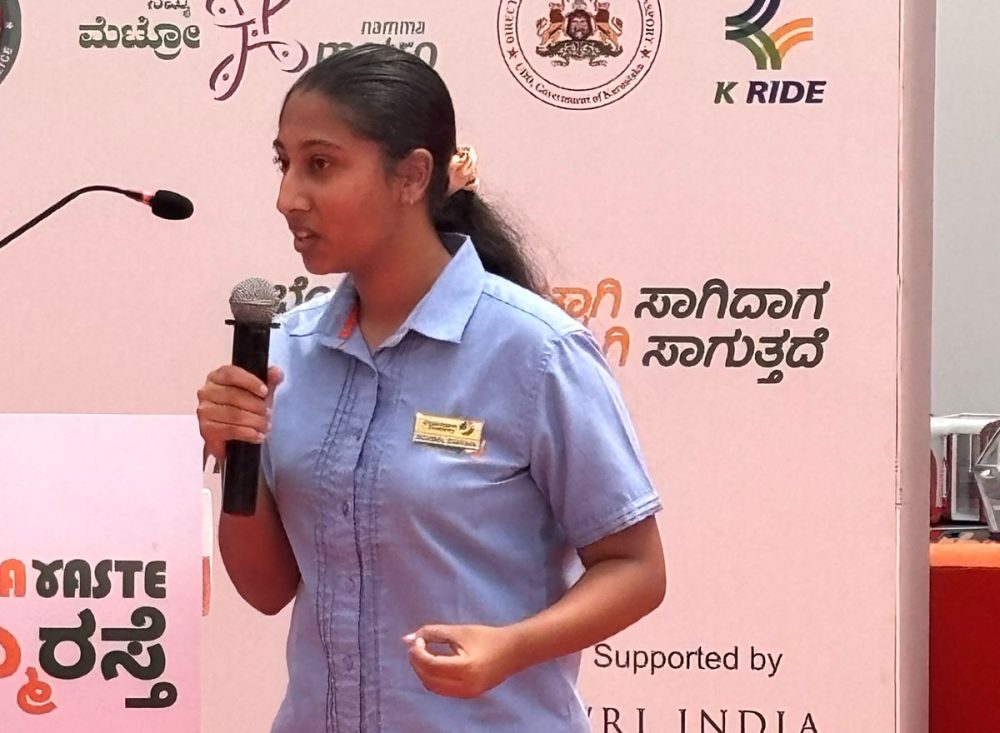
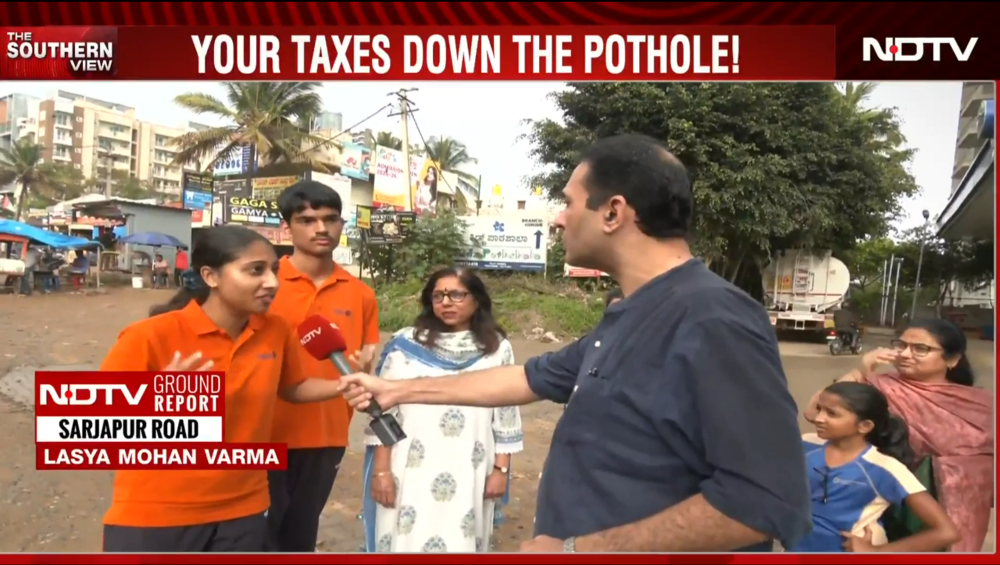
Our work was featured on national television and in major newspapers, and I was invited to speak at Namma Raste, an official government mobility event, as the only student speaker among government officers and social impact leaders. Yet the most meaningful outcome has been giving students a voice that genuinely influenced decision making and proved that persistent young people can help shape their city.
Receiving the King Constantine Medal felt surreal. Standing on stage, I thought about the meetings, the hours spent measuring potholes, and the constant movement between classrooms to keep the initiative going. This recognition is not just for me, but for every student who believed their voice mattered. It is a reminder of the power of collective advocacy and of what can happen when leadership is grounded in service, persistence and problem solving.
Four steps to create impact like Lasya
- Collaborate and amplify
Work with external organisations, civic bodies, and experts to expand your reach. Use tools like social media, presentations, and reports to share progress. Collaboration increases impact and helps turn student initiatives into real-world change. - Identify a real problem and gather evidence
Start by observing your community and collecting data to understand the issue fully. Concrete evidence, whether numbers, stories, or visuals, helps make the problem visible and understandable to others. - Build a collective voice
Engage peers and other stakeholders early. Use competitions, discussions, or events to involve people, even if initial participation is low. Persistence and one-to-one conversations often turn scepticism into engagement. - Combine advocacy with action
Don’t just raise awareness, show solutions in practice. This could include pilot projects, surveys, creative campaigns, or practical demonstrations. Tangible outcomes build credibility and inspire others to join.